Signs Your Gutter Guards Need Replacing
Guards don't last forever. Sagging, rust, warping and persistent overflow are the tells — most of them visible from the ground before they turn into gutter damage.
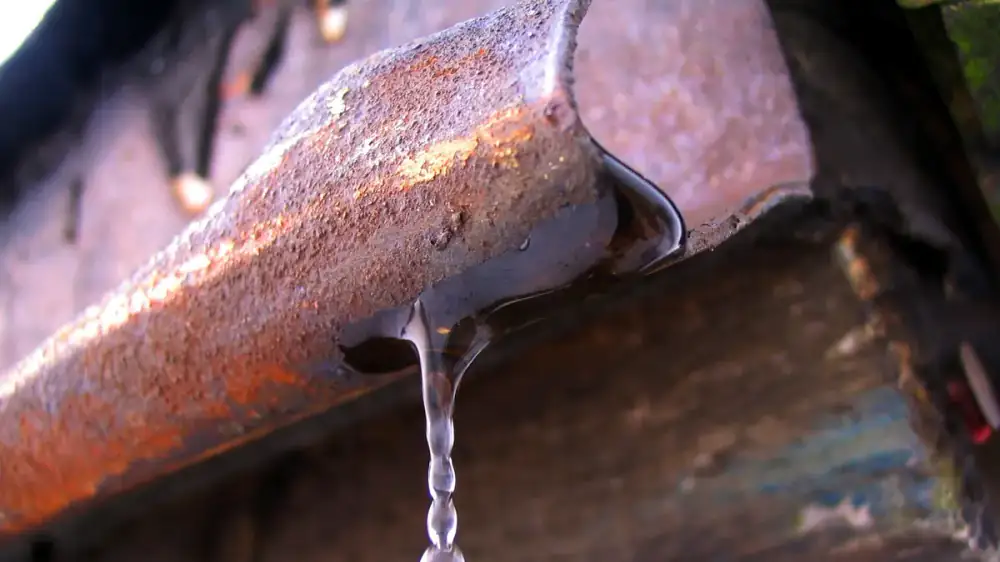
Gutter guards don't last forever, and the tells are mostly visible from the ground: sagging or pulling loose, rust on metal, warping or brittleness in plastic, and persistent overflow that cleaning doesn't fix. The key test is simple — if a thorough cleaning restores drainage, the guard is fine; if water still spills over or debris still reaches the trough after cleaning, the guard is worn out. Just check whether it's the guard failing or the gutter underneath, since both cause overflow.
A gutter guard does its work by holding still: staying flat across the trough, letting the debris slide off, letting the rain drop through. It keeps that up for years — until sun, weather, or a stray branch finally wears it down. And when a guard fails, it doesn't just stop helping; it can start doing quiet harm, feeding debris into the trough it was meant to protect or forcing water over the lip. The reassuring part is that guards rarely fail in secret. Most of the warning signs are plain from the ground, showing up well before a tired guard lets your gutters or fascia take real damage.
We don't sell guards, so here's a straight account of the tells that a guard is near the end, how to work out whether the guard or the gutter is actually at fault, and when a good cleaning still fixes the whole thing.
Sagging that won't sit back down
A guard should span the gutter flat and firm. When it starts drooping into the trough, curling up at the edges, or pulling away from its fixings, it's no longer sealing anything. A sag opens gaps that let debris march straight in; a lifted edge hands water a path over the front. The usual culprits are age, the accumulated weight of debris or ice, or fasteners that have worked loose over the seasons. Whatever the cause, a guard that won't lie flat again is generally past rescuing.
Rust working its way through the metal
On metal guards, corrosion is an unambiguous age signal. Rust doesn't just stain — it weakens the guard, roughens its surface so debris clings harder, and can migrate onto the gutter it rests against. Aluminum and stainless shrug it off far better than plain steel, but any metal guard can corrode where debris pins moisture against it or the protective finish has worn thin. Rust streaks on the guard, or bleeding down the fascia beneath it, mean the material itself is breaking down.
Warping and brittleness in plastic
Plastic and vinyl guards live a hard life under years of sun and temperature swing. They warp out of true, turn brittle and crack, or simply lose the stiffness that once held them flat. A warped guard stops seating and opens gaps; a brittle one can snap under a debris load or a ladder. A chalky, faded, discolored surface usually shows up alongside the brittleness as a matched set. Once a plastic guard has warped or begun to crack, no amount of cleaning brings it back.
Overflow that outlasts a cleaning
This is the functional tell, and the most decisive. If water sheets over the front edge in rain even after a thorough cleaning, the guard has stopped doing its job. Overflow that a cleaning cures was only debris; overflow that shrugs off a cleaning points to a guard warped, lifted, rusted, or matted beyond recovery — or to a gutter failing underneath. Persistent post-cleaning overflow is among the clearest signs replacement is due, and our look at common gutter guard problems digs deeper into the overflow causes.
Sorting the guard from the gutter beneath it
Overflow and sluggish drainage can originate in either the guard or the trough below, so it pays to pin down which before spending on the wrong repair.
| Symptom | Likely the guard | Likely the gutter |
|---|---|---|
| Water overflows after cleaning | Warped, rusted or matted guard | Sagging or poorly sloped trough |
| Debris getting into the trough | Gaps from a lifted or sagging guard | — |
| Rust streaks | Corroding metal guard | Corroding gutter |
| Section drooping | Loose or aged guard | Failed hangers, soft fascia |
| Standing water in the trough | — | Slope or drainage fault |
If the guard is visibly warped, rusted, sagging, or lifted, you have your answer. If the guard looks sound but the gutter sags, leaks, or holds standing water, the trough is the problem and a fresh guard won't touch it — the gutter needs attention first. And sometimes both are going at once. Our guide to retrofitting guards on old gutters covers what to check on the gutter side.
The cleaning test that saves a needless replacement
Before you spend on anything, run the simplest possible experiment: clean the guard thoroughly, then watch it in the next rain.
- If drainage returns to normal, the trouble was debris — a matted surface or a clogged trough — not a worn-out guard. Keep it, and tighten up your maintenance rhythm.
- If water still overflows or debris still reaches the trough, the guard itself has failed and cleaning won't revive it.
The test matters because it draws the line between a maintenance issue and a replacement one. Guards cut down cleaning but never end it, so a guard that only needs clearing is not a guard that needs replacing. For the routine that keeps you ahead of all this, see our gutter guard maintenance schedule and how to clean gutters with guards.
A few traps worth sidestepping
Some of the costliest mistakes here are decisions, not defects. Replacing before you've cleaned tops the list — a matted guard often just needs clearing, so run the cleaning test first. Blaming the guard for a bad gutter is the mirror image: overflow from a sagging trough won't yield to a new guard, so check the gutter too. Letting early rust or warping slide is another; left alone, a corroding or distorting guard can drag the gutter and fascia down with it. Spot-replacing across an aging system only delays the rest if the whole run is breaking down from age rather than one-off damage. And underneath all of them sits the biggest assumption of all — that a guard is permanent. It wears out like anything else, and condition, not the promise on the box, is what decides when it goes.
Handing the height off
There's a point where the sensible move is to bring in someone else. Reach for a professional when the guard or gutter is failing somewhere you can't safely get to, when overflow persists after cleaning and you genuinely can't tell whether the guard or the trough is at fault, or when you're weighing a spot repair against a full re-do. Working at height to inspect or replace guards is where the real risk lives, and someone equipped for it can assess the guard and gutter together, confirm which is failing, match a replacement to your existing system where that makes sense, and handle the climb safely. For whether a fresh guard is worth putting up at all, see are gutter guards worth it.
Guards give plenty of notice before they quit — sagging, rust, warping, and stubborn overflow, most of it readable from the ground. Spot those tells early, run the cleaning test to rule out simple debris, and check whether the guard or the gutter is the real culprit. Do that much, and you replace a worn guard on your own schedule, before it lets your gutters take the very damage it was put up to prevent.
Questions homeowners ask
How long do gutter guards last?
It varies widely by material and quality — sturdy metal micro-mesh systems tend to last far longer than lightweight plastic screens or foam inserts, which degrade faster in sun and weather. Rather than a fixed number, watch condition: a guard that still sits flat, sheds debris and lets water drain is doing its job, regardless of age. One that sags, rusts, warps or overflows is telling you it's near the end, whatever the calendar says.
What are the signs a gutter guard needs replacing?
The main ones are sagging or pulling loose, rust or corrosion on metal guards, warping or brittleness in plastic ones, and persistent overflow that a cleaning doesn't fix. Most are visible from the ground: water spilling over in rain, a section drooping or lifted, discoloration, or debris getting into the trough as if the guard weren't there. When cleaning no longer restores performance, replacement is usually the answer.
Is it the guard or the gutter that's failing?
Both can cause overflow, so it's worth distinguishing. If the guard is warped, rusted, sagging or lifted, the guard is the problem. If the guard looks fine but the gutter sags, leaks or drains poorly, the trough underneath is failing and the guard can't fix it. Sometimes it's both. Checking the guard's condition and the gutter's slope and attachment separately tells you which — or whether both need attention.
Can I just clean a failing gutter guard instead of replacing it?
Cleaning helps when the problem is debris — a matted surface clearing restores drainage. It doesn't help when the guard itself has failed: a rusted, warped or sagging guard won't perform even spotless. The test is simple — if a thorough cleaning restores drainage, keep it; if water still overflows or debris still gets through after cleaning, the guard is worn out and cleaning won't bring it back.
Do gutter guards rust?
Metal guards can, depending on the material and coating, especially where debris holds moisture against them or the finish has worn. Rust weakens the guard, roughens the surface so debris clings more, and can spread to the gutter. Aluminum and stainless resist it better than plain steel. Streaks of rust discoloration on the guard or the fascia below are a sign the guard is corroding and heading toward replacement.
Why is my guarded gutter overflowing?
Several reasons: a matted surface shedding water, a warped or lifted guard letting water past, a rusted guard no longer draining cleanly, or a failing gutter underneath that the guard can't fix. Start with a cleaning — if overflow persists after the surface is clear, the guard or the gutter has a problem. Persistent overflow that cleaning doesn't resolve is one of the clearest signs something needs replacing.
Should I replace all my gutter guards at once or just the bad sections?
It depends on why they're failing. If a few sections took localized damage — a fallen branch, a bent run — replacing just those makes sense, ideally matching the existing type. If the guards are failing from age or material breakdown across the run, spot replacement only delays the rest, and replacing the whole system at once gives consistent performance. A professional can advise which situation you're in.
More from this section

Common Gutter Guard Problems
Guards solve some problems and create others. Here are the most common gutter guard issues — overflow, surface debris, ice, poor fit — and how to spot them.

Micro-Mesh vs Screen Gutter Guards
Both block leaves, but only one stops fine grit and pine needles. Here's how micro-mesh and screen guards compare on debris, upkeep and fit.
Do Gutter Guards Eliminate Cleaning?
The honest answer is no. Guards cut how often you clean, not the need entirely. Here's what still gets in and why checks still matter.