How to Clean Gutters With Guards
Guards don't end gutter cleaning — they change it. Most of the work moves to the surface, and here's how to keep a guarded system flowing without fighting the trough.
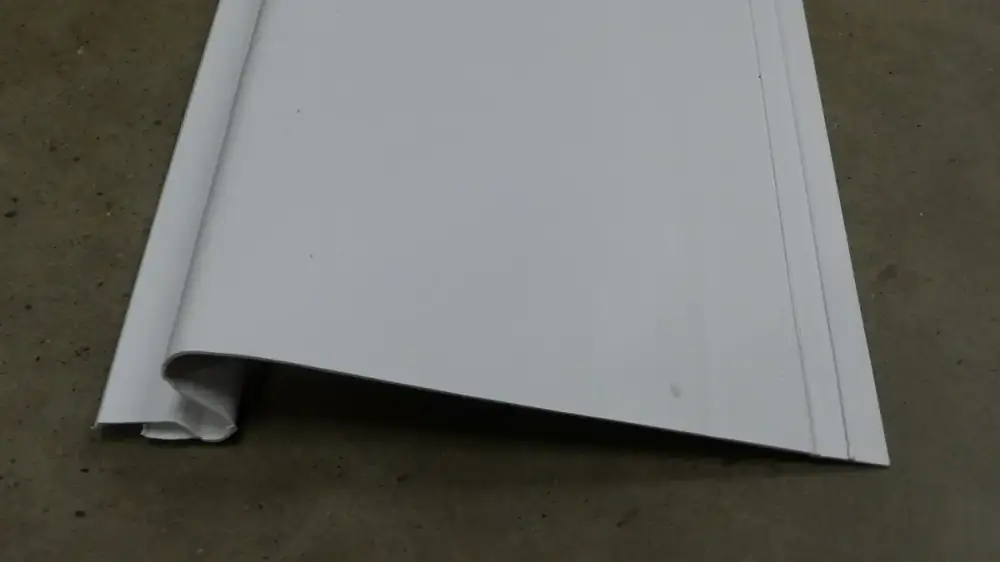
Guarded gutters still need periodic cleaning — guards reduce the work, they don't end it. The key difference is that most of the job moves to the top of the guard: clear leaves, needles and pollen off the surface, then check that water drains through rather than sheeting over the front. Fine debris still reaches the trough over time, so an occasional look underneath matters too. Do it all from a safe, stable position.
The sales pitch says guards end gutter cleaning. What they really do is relocate it. A good guard keeps most debris out of the trough, so the miserable part — digging out packed, sodden leaves — largely goes away. But debris still gathers on top, fine material still slips through across the years, and a guarded gutter that's never touched will overflow just like an open one, only later.
The mental shift that makes the whole job easier is this: with guards, cleaning is mostly a surface task, not a trough task. Once you're working the top of the guard instead of the inside of the gutter, everything below gets simpler.
The job moved to the top
It's worth being blunt here, because the marketing rarely is: no guard is maintenance-free, and two facts guarantee ongoing care.
Debris collects on top. Every guard hands leaves, needles and pollen a surface to settle on. Let that load grow heavy and wet and it mats down, so water sheets across the top and over the front edge while the trough underneath may stay dry. That surface overflow is the number-one way a guarded gutter fails.
Fine material still gets through. Depending on the type, grit, granules, small needles and silt work past the guard over time and pack in around the downspout outlet. It's far slower than an open gutter, but it doesn't stop. For the full argument, see do gutter guards eliminate cleaning. The goal, then, isn't zero maintenance — it's less maintenance, aimed at the right spot.
Working the surface
This is where most of the effort goes, and the upside is that it's cleaner and easier than emptying a trough. From a safe, stable position:
- Brush or sweep the top with a soft brush to lift matted leaves and needles off the guard. Work gently so you don't push debris through the openings or damage a fine mesh.
- Reach for a blower on loose, dry debris where you can direct it safely — dry leaves and needles clear easily before they get wet and mat.
- Finish with a rinse, especially on micro-mesh, to lift the pollen film and fine debris a brush leaves behind. The rinse doubles as a drainage test.
The single thing that makes this painless is timing: clear the surface before it mats. Dry, loose debris brushes off in minutes; a soaked, frozen or matted layer clings and fights back. One light pass after the main leaf drop beats a hard scrub months later.
Confirming the water gets through
Clearing the top is only half of it — you also want proof the water is actually reaching the downspout.
- Rinse and watch. After clearing, run water over a section and follow it. It should soak through the guard into the trough and out the downspout, not sheet across the top.
- Watch a real storm from the ground. Steady rain is the best test there is. Water spilling over the front edge, streaking behind the gutter, or barely trickling from the downspout all flag a blockage — surface or trough.
- Check the downspouts run. Confirm a healthy stream leaves the bottom of each downspout. A clear trough still overflows if the downspout is blocked, a common issue covered in why downspouts keep clogging.
Reaching the trough when you must
Most of the time, surface care is the whole job. But periodically — how often depends on your guard type and trees — fine debris in the trough or at the downspout outlet needs clearing, and how involved that is depends on the guard.
Drop-in screens, brushes and foam lift or pull out easily, so reaching the trough is straightforward. Fastened panels and micro-mesh take more effort to lift, and doing it repeatedly risks bending or misaligning them. Under-shingle systems are the hardest to remove and are often best serviced by a professional. If reaching the trough means prying off a fastened or under-shingle guard, weigh whether it's a task to hand off rather than wrestle from a ladder.
Setting a rhythm, not a calendar
There's no universal number, because it turns on your trees, roof, climate and guard type. But the direction is consistent — a guard shifts the schedule down, often from several cleanings a year to an annual check plus a look after big storms. Some rough guidance:
- Open lot, light debris, good guard — an annual surface check may be plenty.
- Typical suburban lot — a check once or twice a year, plus after major storms.
- Under pines or heavy tree cover — more frequent surface clearing through the year, since needles shed continuously and mat.
- After any big storm — take a ground-level look regardless of the schedule.
Let how the gutters behave in heavy rain, not the calendar alone, set the pace. Our guide to how often gutters need cleaning covers the underlying factors in depth.
Staying safe at the edge
Even a lighter job still puts you at the roof edge, so the basics matter as much as ever. Set the ladder on stable, level ground and keep your hips inside the rails — never overreach for one more section. Work the surface, not the roof; a properly placed ladder should let you clear the top without stepping onto the shingles. Keep it a dry-day, daylight task, since wet guards and low light both raise the risk. And have a helper foot the ladder and hand up tools whenever you can.
If any of that isn't possible — a steep or high roof, a second story, ground you can't level, or a fastened guard that won't come off without a fight — the job belongs to a professional. The same goes for anything a cleaning won't fix: sagging runs, loose hangers or separated seams need repair, not just clearing. No gutter is worth a fall.
Cleaning gutters with guards is a lighter, cleaner task than cleaning open ones, but it isn't no task at all. Keep the surface clear, confirm the water flows, look at the trough now and then, and your guards will do exactly what they're meant to — cut the work down, not out.
Frequently asked questions
Do gutters with guards still need cleaning?
Yes. Guards reduce how often and how much you clean, but they don't eliminate it. Fine debris still reaches the trough over time, and leaves, needles and pollen collect on top of the guard, where they can mat and cause overflow. Guarded gutters need periodic care — just less than open ones.
How do you clean gutters that have guards?
Most of the work is on the surface, not inside. Clear leaves, needles and debris off the top of the guard with a soft brush, blower or rinse from a safe position, then check that water drains through rather than sheeting over the front. For some guard types you may occasionally lift or remove sections to clear the trough and downspout underneath.
How often should I clean guarded gutters?
Less often than open gutters, but the exact frequency depends on your trees, roof and guard type. Many homes shift from several cleanings a year to an annual check plus a look after big storms. Homes under pines or heavy tree cover need more frequent surface clearing. Let how the gutters behave in rain guide you.
Can I just rinse the top of a gutter guard with a hose?
Rinsing helps clear pollen film and loose fine debris from the surface, especially on micro-mesh. But it won't move a packed, wet leaf or needle mat on its own, and it can't clear debris that's already inside the trough. Clear the bulk of the surface debris first, then rinse to check that water drains through freely.
Do I need to remove gutter guards to clean them?
Often not — most maintenance is clearing the surface, which doesn't require removal. But some guard types collect debris in a way that means occasionally lifting or removing sections to clear the trough and downspout beneath. Drop-in screens, brushes and foam come out easily; fastened or under-shingle systems are harder and may be a job for a professional.
How do I know if my guarded gutter is clogged?
Watch it during steady rain from the ground. Water sheeting over the front edge, a persistent debris mat on the surface, grit washing from the downspout, or staining on the fascia all point to a problem — even if the trough looks fine. With guards, surface overflow is the most common sign, so the top is what to watch.
You might also like

Common Gutter Guard Problems
Guards solve some problems and create others. Here are the most common gutter guard issues — overflow, surface debris, ice, poor fit — and how to spot them.

Micro-Mesh vs Screen Gutter Guards
Both block leaves, but only one stops fine grit and pine needles. Here's how micro-mesh and screen guards compare on debris, upkeep and fit.
Do Gutter Guards Eliminate Cleaning?
The honest answer is no. Guards cut how often you clean, not the need entirely. Here's what still gets in and why checks still matter.