Common Gutter Myths Worth Unlearning
Most bad gutter decisions start with a plausible-sounding belief. Here are the ones that cost homeowners the most, and what's actually true instead.
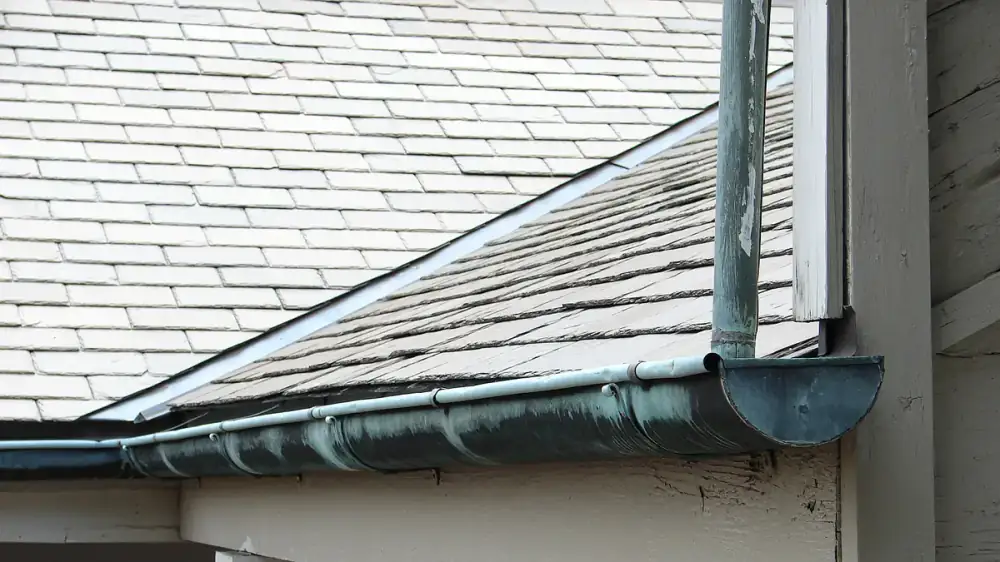
Most gutter myths share a flaw: they treat a system that depends on moving water as if it were set-and-forget. Guards reduce cleaning but never end it; a treeless lot still collects grit and sludge; a single overflow points to a clog, not a replacement; and bigger gutters don't help if the water can't reach the outlets. In every case the correction comes down to the same thing — the system only works while water can flow through it.
Gutter myths are durable because they're reasonable. Each one contains a grain of truth, which is what lets it survive. Guards really do keep leaves out. A treeless lot really does clog more slowly. A gutter that overflowed really might be worn out. The trouble is that the grain of truth gets rounded up into a rule, and the rule leads to a decision — skip the cleaning, buy the wrong upgrade, replace something that only needed a scoop and a hose.
So let's take the most common ones in turn, not just to declare them false, but to explain the reasoning that makes them false. That's the part that sticks.
Myth: gutter guards mean you never clean again
This is the most expensive myth on the list, because people spend real money on the promise behind it.
Here's the reasoning that dismantles it. Guards are designed to keep out coarse debris — whole leaves, twigs, the obvious stuff. They're genuinely good at that. But a gutter doesn't fail only from whole leaves. It fails from what's fine enough to get past a screen or slip through a slot: shingle grit that washes off the roof, pine needles that thread through mesh, pollen that turns to paste, wind-blown dust that settles into sludge. All of that still reaches the trough, and it collects in exactly the places that matter — the low spots and the downspout outlets.
And the guards themselves need attention. Debris that doesn't get in still piles up on top, and a mat of wet leaves sitting on a guard can shed water right over the front edge as surely as a clog inside. So the honest framing is this: good guards can meaningfully lengthen the interval between cleanings, which is a real benefit. They do not end cleaning. Anyone deciding whether the trade is worth it should read are gutter guards worth it with that distinction front and center.
Myth: no trees, no cleaning
Plausible, and wrong for reasons that surprise people.
Your gutters collect far more than the leaves off your own trees. The single most reliable source of debris is your own roof — asphalt shingles constantly shed granules, and that grit washes into the gutters with every rain and settles as a heavy sediment. Beyond that, wind is no respecter of property lines. Seeds, pollen, dust and the occasional stray leaf travel from well outside your lot. Birds nest in troughs. Pests move in. And pollen in particular forms a fine sludge that migrates to the downspout outlet and blocks it while the rest of the trough still looks clean from below.
The correct version of this belief isn't "no trees, no cleaning." It's "fewer trees, longer interval." A bare lot might go a good while between cleanings; a house buried under oaks might need several passes a season. The way to know which you are isn't to count trees — it's to watch the gutters work in a hard rain, a point how often to clean gutters develops in detail.
Myth: any overflow means the gutters are shot
An overflowing gutter feels like a failure, and the instinct is to conclude the gutters have reached the end of their life. Usually they haven't.
Overflow is a symptom, and it has a short list of ordinary causes, most of them cheap to fix. A clogged trough. A blocked downspout backing the whole run up. A section that's lost its pitch and holds standing water. A gutter hung too low or a missing drip edge sending water behind it. Every one of those is a maintenance or adjustment issue — not a reason to tear the system off the house.
Replacement earns its place only when the material itself is failing: rust eating through steel, seams splitting along their length, whole sections sagging away because the fascia behind them has rotted. Those are different from "it overflowed in Tuesday's storm." The way to sort a fixable problem from a terminal one is to look, methodically, at what's actually wrong — which is what signs your gutters need repair walks through — and, when the question is genuinely about the end of a system's life, to weigh repair versus replacement rather than assume it.
Myth: bigger gutters solve everything
There's a kernel of truth here — capacity matters. A large roof or an intense-rain climate can genuinely overwhelm undersized gutters and downspouts, and stepping up a size can be the right call.
But capacity is only useful if the water can reach the outlets. An oversized trough that's half full of sludge, or one that doesn't slope toward its downspouts, overflows exactly like a small one. Upsizing a system that overflows because it's clogged just gives you a larger thing to clean. Worse, wider gutters are heavier when they hold water and debris, which puts more strain on the hangers and the fascia. Size is one variable in a system that also depends on being clear, correctly pitched, and properly drained. Reach for it when the math actually calls for more capacity — not as a substitute for maintenance.
Myth: fall is gutter season, so wait for it
The autumn leaf drop is the most visible debris event of the year, so it's understandable that "gutter cleaning" and "fall" fused together in the popular imagination. But that framing gets a lot of homes in trouble.
Plenty of debris arrives on a completely different schedule. Spring brings seed pods, maple samaras and blossom drop that can pack a downspout in April. Summer brings pollen sludge and the debris that storms tear loose. If you wait for the leaves, a system that clogged in spring spends the whole wet summer overflowing — doing the quiet fascia-and-foundation damage that the neglected-gutter chain describes — before you ever get to it. Some homes really are one-cleaning-a-year homes; many aren't. The schedule that works is the one built around what your particular roof and trees drop and when, not the calendar's assumption that gutters are an October chore.
The thread running through all of them
Read the corrections together and the same idea keeps surfacing. A gutter is not an object you install and forget; it's a moving system that only protects the house while water can travel through it. Every myth on this list fails at the same seam — it imagines the system as static when it's actually dynamic, and it stops paying attention at the moment attention starts to matter.
Unlearning them isn't about becoming fussier. It's about spending effort where it actually pays: keeping the water flowing, and reading the system's behavior in the rain instead of the reassuring stories we tell ourselves about it.
Questions people also ask
Do gutter guards mean I never have to clean my gutters?
No. Guards reduce how much coarse debris enters the trough, which can stretch the interval between cleanings, but they don't eliminate maintenance. Fine grit, shingle sediment, pollen and blown-in dust still pass through or collect on top, and the guards themselves need clearing. Treat them as a tool that makes cleaning less frequent, not as a permanent fix.
I have no trees near my house — do I still need to clean my gutters?
Yes, just usually less often. Roofs shed shingle grit, wind carries seeds and dust from well beyond your lot, birds and pests build nests, and pollen forms a sludge that blocks downspout outlets. Fewer trees means a longer interval, not no maintenance. Watching how your gutters behave in a hard rain tells you more than a tree count.
My gutters overflowed once — do I need to replace them?
Almost never on the strength of a single overflow. Overflow is usually a clog, a downspout blockage, or a pitch problem, and all of those are fixable without replacement. Replacement is warranted when the material itself is failing — widespread rust-through, split seams, sections pulling away — not because water spilled during one heavy storm.
Are bigger gutters always better?
Not automatically. Larger troughs and downspouts help on big roofs or in intense-rain climates, but capacity only matters if the water can reach the outlets. An oversized gutter that's clogged or poorly pitched still overflows. Sizing is one factor among several, and it doesn't substitute for keeping the system clear and correctly sloped.
Can't I just wait until fall to do all my gutter cleaning at once?
Sometimes, but it depends on what's landing in them and when. Spring seed pods, summer pollen and storm debris can block a system well before the autumn leaf drop. One annual cleaning suits some homes; others need two or more. The right schedule follows your specific trees and weather, not the calendar's idea of gutter season.
More from this section

How Trees Affect Gutter Maintenance
Leaves, pine needles, seed pods and shade each create a different gutter problem. Here's how tree cover reshapes your maintenance schedule.
Why Water Runs Behind Gutters
A missing drip edge, a gutter hung too low, or an overflowing clog — these three causes explain most water that ends up behind the gutter.
Signs Gutters Need Repair Instead of Cleaning
Sagging runs, leaking seams, loose hangers and standing water are repair problems, not cleaning problems. Here's how to tell them apart.