Gutters for Low-Slope and Flat Roofs
A flat roof doesn't shed water off an edge the way a pitched one does, so the familiar eave gutter often isn't the answer. Drainage moves to scuppers and internal drains instead.
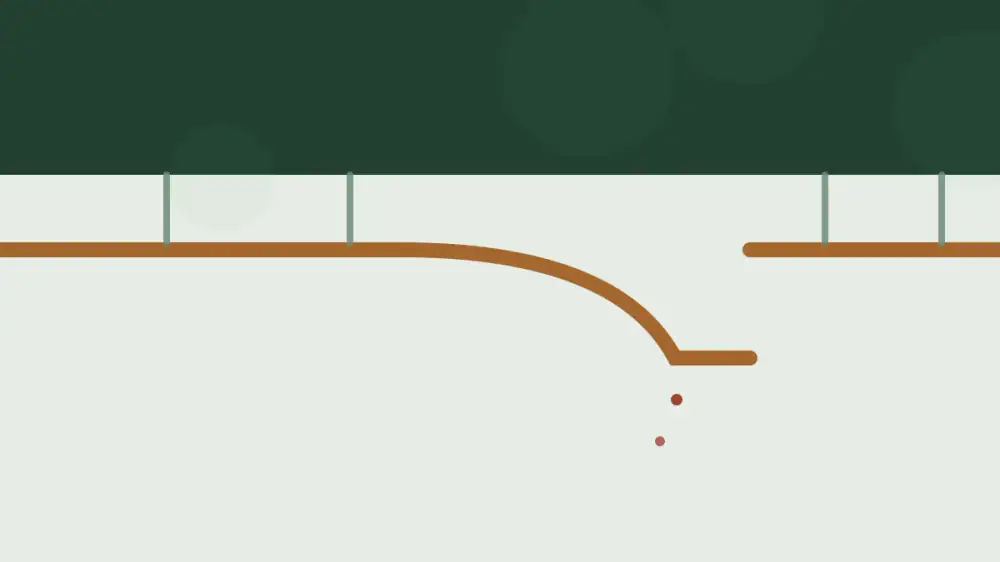
Flat and low-slope roofs still need to shed water, but usually not through a conventional eave gutter. Because there's little or no edge for water to run off, drainage is built into the roof: scuppers through parapet walls, and internal drains that carry water down through pipes inside the building, both feeding downspouts. A low-slope roof that does drain toward an edge can use a generously sized gutter, but a true flat roof with a parapet relies on scuppers and drains instead.
Everything most people know about gutters assumes a pitched roof: two planes sloping down to eaves, water sheeting off those edges, a trough waiting to catch it. Take away the pitch and that whole picture stops applying. A flat roof — which is never truly flat, but close — doesn't throw water off an edge, so there's often nothing for a hung gutter to catch. Drainage has to be engineered into the roof itself. If you own a flat-roofed home, a modern addition, a porch, or a commercial-style building, the parts and the logic are different enough to be worth understanding on their own terms.
Why the eave gutter doesn't fit
A pitched roof does the hard part of drainage for free. Gravity pulls water down the slope, concentrates it at the eave, and hands it off in a predictable line where a trough can wait. The gutter is really just a catcher standing under a spout the roof creates.
A flat roof has no such spout. Water lands and mostly stays put, moving only because the roof is built with a barely-perceptible slope toward wherever the drains are. There's no edge where a stream reliably pours off, so a trough hung along the perimeter would sit there empty while water pooled in the middle of the roof. That's the core reason flat-roof drainage looks so different: the roof can't deliver water to an edge on its own, so the drainage points have to be placed where the water actually collects, and the slope has to be built to send water to them.
Scuppers: draining through the wall
Many flat and low-slope roofs are ringed by a parapet — a low wall rising above the roof surface at the edges. A parapet looks tidy and hides rooftop equipment, but it also boxes the water in, so it needs a deliberate way out. That way out is the scupper: an opening through the parapet at roof level that lets water pass from the roof surface to the outside.
Water flows across the gently sloped roof to the scupper and drains through it, frequently into a collector box and downspout mounted on the outside of the wall, which then carries the water down like any downspout. In effect, the scupper and collector box replace the outlet and the top of a conventional gutter. Some roofs also have overflow scuppers set a little higher — a second line of defense that only comes into play if the primary drainage clogs and water starts backing up, giving it an escape before it reaches a dangerous depth.
Because scuppers are the choke point, they clog the way outlets do, and the consequence is water backing up on the roof. Keeping them clear is the flat-roof equivalent of keeping a downspout outlet clear — the same principle you'd recognize from the anatomy of a conventional gutter system, just relocated to the wall.
Internal drains: the pipes you can't see
Larger flat roofs, and many buildings without parapets designed for exterior drainage, use internal drains instead. These are drains set into the low points of the roof that carry water down through pipes running inside the building, discharging below or to the side. From the ground you may see nothing at all — no downspouts, no scuppers — because the whole drainage path is internal.
That invisibility is exactly what makes internal drains demanding. A clog high in the system backs water up onto the roof where you can't easily see the cause, and a leak in an internal pipe sends water inside walls and ceilings rather than harmlessly outside. Internal drains have strainers or domes over them to keep debris out, and those need regular clearing. When something does go wrong, it's firmly professional territory, because both the diagnosis and the repair happen inside the structure.
Ponding: the problem unique to flat roofs
The signature flat-roof trouble is ponding — water that collects and lingers on the roof instead of draining. A little sheen after rain that dries within a day or so is normal; water that sits for days, or shows a permanent tide line, is not.
The causes rhyme with what goes wrong on pitched-roof gutters, just moved onto the roof plane. It's often a clogged drain or scupper. It can be a low spot where the roof has settled or the structure has deflected over time, creating a basin that traps water. Or the built-in slope may simply have been too shallow to move water reliably to the drains. The parallel to a pitched roof is exact: just as standing water in a gutter signals a pitch or blockage failure, ponding on a flat roof signals that water isn't reaching its exits. And it matters for the same reasons and then some — standing water is dead load on the structure and a constant test of the roof membrane's seams, so persistent ponding is a genuine problem, not a cosmetic one.
Sizing still rules everything
Whether a flat roof drains through scuppers, internal drains, or a hung gutter, the capacity question never goes away. The roof collects a large area of rainfall and has to move it through a limited number of openings, so those openings have to be sized and numbered for the flow. An undersized or too-few set of drains backs the roof up in heavy rain exactly the way an undersized trough overflows, and the logic is the same one behind matching gutter size to the roof area it serves. On a flat roof the stakes are higher, because backed-up water has nowhere to spill — it just gets deeper.
Where an ordinary gutter still belongs
Not every low-slope roof needs the scupper-and-drain approach. The key distinction is whether the roof sheds water toward an edge at all. A shed roof or a lean-to with a genuine, if gentle, slope down to one side does concentrate water at that low eave, and there a conventional gutter works — provided it's sized generously, since a low slope delivers water in a broad, sluggish flow rather than a fast stream. Low-slope eave gutters also tend to hold debris longer, because there's less velocity to help flush them, so they ask for attentive clearing.
The honest summary is that the roof's own geometry decides the drainage. Where a roof sends water to an edge, a well-sized gutter catches it. Where a roof holds water behind a parapet or on a broad flat plane, scuppers and internal drains do the job the eave gutter can't. Understanding which situation you have — and treating the roof edge and its flashing as part of the same roof-edge system that keeps water out of the structure — is what keeps a low-slope or flat roof draining the way it was designed to.
Frequently asked questions
Do flat roofs need gutters?
Flat and low-slope roofs need drainage, but not always the eave gutter you'd see on a pitched house. Many drain through scuppers — openings in a parapet wall — or through internal drains built into the roof surface, feeding downspouts or pipes. A true flat roof has no edge for water to sheet off, so the drainage is designed into the roof rather than hung along it.
What is a roof scupper?
A scupper is an opening, usually through a parapet wall at the roof edge, that lets water drain off a flat or low-slope roof. Water collects on the gently sloped roof, flows to the scupper, and passes through it — often into a downspout or a collector box on the outside of the wall. Scuppers are one of the main ways flat roofs get rid of water.
What is an internal roof drain?
An internal drain is a drain set into the low point of a flat roof that carries water down through pipes inside the building rather than off the edge. It's common on larger flat roofs. Because the plumbing runs inside the structure, blockages and leaks are more serious and more hidden, so these drains need regular clearing and professional attention.
Why does water pond on my flat roof?
Because even a flat roof is built with a slight slope toward its drains, and ponding means water isn't reaching them. Causes include a drain or scupper that's clogged, a low spot where the roof has settled or deflected, or a slope that was too shallow to begin with. Standing water on a flat roof stresses the membrane and shouldn't be ignored.
Can I put a normal gutter on a low-slope roof?
Sometimes, if the roof still sheds water toward an eave. A low-slope roof that drains to one edge can use a conventional gutter sized generously for the flow. But on a truly flat roof with a parapet, water never reaches an eave, so a hung gutter has nothing to catch — scuppers or internal drains do the work instead. The roof's design decides which applies.
Related guides

How Trees Affect Gutter Maintenance
Leaves, pine needles, seed pods and shade each create a different gutter problem. Here's how tree cover reshapes your maintenance schedule.
Why Water Runs Behind Gutters
A missing drip edge, a gutter hung too low, or an overflowing clog — these three causes explain most water that ends up behind the gutter.
Signs Gutters Need Repair Instead of Cleaning
Sagging runs, leaking seams, loose hangers and standing water are repair problems, not cleaning problems. Here's how to tell them apart.