Birds Nesting in the Gutters
A gutter full of twigs and lined with a nest isn't just a bird problem — it's a blocked drain that sends rainwater over the edge and against your house.
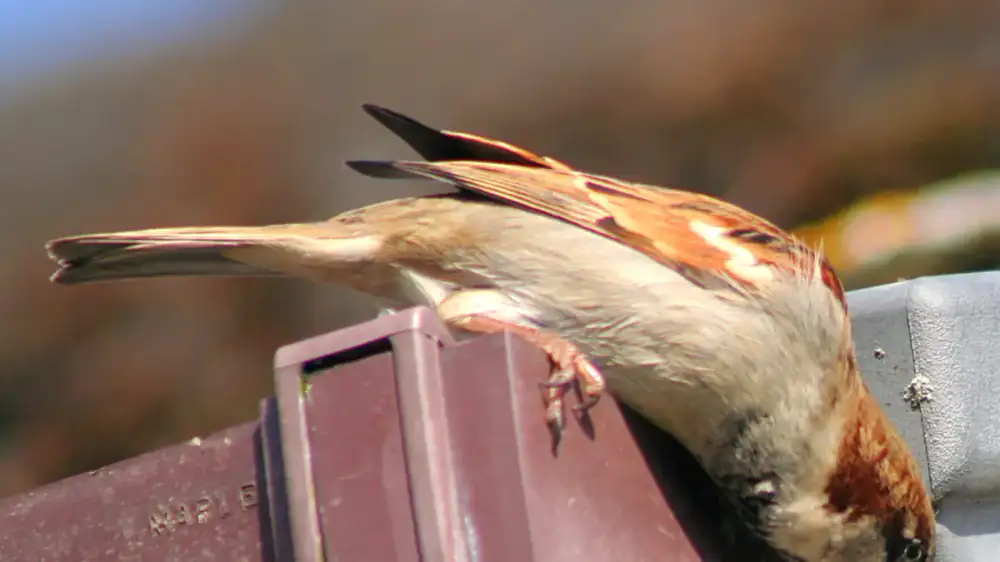
Birds nest in gutters because they offer a sheltered, elevated channel already stocked with the twigs and debris they build with. The real trouble is drainage: a nest dams the gutter, so rain overflows against the fascia and wall. Never disturb an active, often legally protected nest — wait until it's inactive, clear it, then keep the gutters clean and consider guards to discourage a return.
To a bird house-hunting in spring, a gutter is close to perfect. It sits high off the ground, sheltered under the overhang of the roof edge, hidden from most predators, and — crucially — it is often already lined with exactly the leaves and twigs a nest is built from. From the bird's side of things, this is move-in-ready real estate. The catch is that every feature making a gutter appealing to a bird is the same feature that makes it a failing drain. A nest is not really a wildlife story. It is a blockage story that happens to have feathers in it.
Why the same gutters keep getting chosen
Birds are not landing on your roof at random and picking a spot by chance. They are drawn to the specific conditions that signal a gutter is not being kept up, which is exactly why nesting and drainage problems tend to arrive together. A trough already holding leaves, twigs, and grit is a nest half-finished — the material is on site, there is a base to build on, and any standing water nearby is a small bonus. A clean, free-draining gutter offers none of that and gets passed over. Layered on top of the debris is the shelter of the roof edge itself, which shields the channel from weather and keeps the nest well above the reach of ground predators. That combination of cover and height is precisely what many species are hunting for.
The geometry matters too. Corners, the mouths of downspout outlets, and the tucked spot where the gutter meets the roof edge are the most protected points along the whole run, so nests cluster there — which is unfortunate, because those are the very places where a blockage does the most damage to flow. And none of it happens in isolation: overhanging trees and shrubs that bring birds close to the roofline also drop the steady supply of debris that starts the cycle in the first place. The birds and the clog feed each other.
The problem isn't the bird — it's the dam
Set aside the nest for a moment and look at what it does to water. A nest, together with the mounded debris that surrounds it, forms a dam across the trough. Rain that should run to the outlet instead backs up behind it and, having nowhere else to go, tips over the edge — straight against the fascia and down the wall. That single mechanism is what turns a charming spring tenant into a maintenance problem. Overflow at the roof edge is the opening move in a familiar chain: water running behind gutters, damp and eventually rotting fascia, and wet soil at the foundation below. In dry conditions a bundle of nesting material tucked against the house also carries a modest fire and pest consideration. The nest, in other words, is worth clearing — but the reason is drainage, not the bird itself, and that distinction shapes both the timing and the method.
The law comes before the ladder
Here is where gutter maintenance runs into something most home repairs never touch: wildlife law. Many wild birds and their active nests are legally protected, and an active nest — one holding eggs or chicks — generally must not be disturbed, full stop. This is not merely a courtesy; disturbing a protected active nest can be unlawful as well as cruel. So the sequence is fixed and non-negotiable. First establish whether the nest is active. If it is, leave it entirely alone and wait for the season to pass. Only once the nest is confirmed empty and inactive does clearing it become an option. If you are unsure whether a nest is active, or unsure of the rules where you live, that uncertainty is itself the answer: check with a wildlife professional before touching anything.
What you can tell from the lawn
Everything you need to confirm what is going on can be observed from the ground, and while a nest may still be active, the ground is as far as you should go. A pair of binoculars turns the whole diagnosis into a patient look upward. Scan the roofline for twigs, straw, or loose nesting material poking out of the trough or along the edge, and watch for birds repeatedly landing on the gutter line and vanishing into it, especially in spring. Overflow during rain along a stretch that used to drain cleanly is a strong hint that something — quite possibly a nest — is now damming the flow. Droppings on the wall or ground below a particular run help you pinpoint which section is occupied, and a few minutes listening near the eaves for chirping will tell you plainly whether there are chicks inside, which settles the question: an active nest is left alone. It is also worth noting whether trees overhang the affected gutters, since that overhang is what keeps feeding both the debris and the birds. The whole point of this ground-level survey is to confirm the situation without ever climbing up to an active nest, which would be both unsafe and, in many cases, unlawful.
Clearing it, and keeping them from coming back
Once the nest is genuinely inactive and the season has passed, clearing it out along with the surrounding debris restores the drainage the dam was blocking. This is the moment to check that the downspouts are open too, so that water actually leaves rather than backing up at the next obstruction. Keeping the gutters clean afterward is, quietly, the single most effective bird deterrent there is — a debris-free trough simply isn't the ready-made nesting site that a clogged one is.
Discouraging a return is mostly about removing what drew them. Trimming back overhanging branches strips away both the cover birds favor and the debris that seeds the cycle. Gutter guards or covers can make the open channel harder to nest in, though it is worth being honest about what they do and don't do: they reduce nesting, but they never make a gutter maintenance-free, since debris still collects on and under them. Two things are worth avoiding outright. Poisons and harmful deterrents can be both unlawful and inhumane, and they do nothing about the debris that attracts birds in the first place. And reaching into a gutter or climbing to a nest from an unstable ladder mixes height with wildlife in a way that goes wrong easily — the kind of job to plan carefully or hand off.
That handoff makes sense in a few situations. A wildlife or pest professional is the right call when a nest is active and you are unsure of the law, when birds have also worked their way into the roof or vents, or when removal and cleaning would mean working at a height beyond safe ladder reach. A gutter professional, in turn, can restore drainage and fit guards once the birds have moved on. And if the activity has spread past the gutters, the closely related problem of birds and animals in the chimney is worth reviewing.
If nesting recurs season after season, read that pattern as a message: the gutters are still holding the debris that draws birds in. It is a cue to tighten up the cleaning routine, reconsider guards, and look at the related gutter problems that may be quietly feeding the whole cycle.
Frequently asked questions
Why do birds nest in gutters?
Gutters offer birds a sheltered, elevated, protected channel that already collects the twigs and debris they build with. A gutter that's holding leaves is essentially a ready-made nesting site off the ground and out of the weather. The same conditions that let debris accumulate — poor cleaning and slow drainage — are what make it attractive to birds.
Is a bird nest in the gutter really a problem?
Yes, mainly because it blocks drainage. A nest plus the debris around it dams the gutter, so rainwater backs up and spills over the edge against the fascia and down the wall. That overflow can lead to fascia rot, wet foundations, and staining. The nest is also a fire and pest consideration in dry conditions, so it's worth addressing once the birds have moved on.
Can I remove a bird nest from my gutter?
Timing and law matter here. Many wild birds and their active nests are legally protected, so an active nest with eggs or chicks generally should not be disturbed. The safe and lawful approach is to wait until the nest is inactive, then clear it, and focus on prevention so they don't return. When in doubt, consult a wildlife professional before removing anything.
How do I keep birds from nesting in my gutters?
The most reliable prevention is to keep the gutters clean and draining, since a debris-free gutter is far less inviting. Beyond that, gutter guards and covers can make the channel harder to nest in, though no guard eliminates the need for cleaning entirely. Removing the debris that attracts them is the foundation of keeping them out.
Do gutter guards stop birds?
Guards can make a gutter less accessible and less appealing to birds by covering the open channel, but they are not a complete barrier and they still require cleaning — debris collects on and under them. Think of guards as one part of the solution alongside regular maintenance, not a way to never touch the gutters again.
Birds are nesting where the downspout meets the roof — is that different?
Nests can also form in the corners, behind downspout outlets, or where the gutter meets the roof, and those spots block drainage just as effectively. The approach is the same: don't disturb an active nest, wait until it's inactive, clear it, and then keep the area clean and consider guards to discourage a repeat.
You might also like

Why Green Growth Keeps Returning on Siding
Algae and mold return because cleaning removes the growth but not the shade and moisture that feed it. Fixing those conditions is what makes it stop.
Moss Growing on the Roof: What to Do
Moss takes hold on shaded, damp roof sections and holds moisture against the shingles — but removing it from the roof is risky work for a professional.

Efflorescence: The White Residue on Brick
The white powder on brick is efflorescence — mineral salts drawn to the surface by moisture moving through the masonry and left behind as water evaporates.