Birds and Animals in the Chimney
A chimney is a warm, sheltered shaft that birds and small animals love to nest in — usually because the cap is missing or damaged. Here's how to recognize the signs safely.
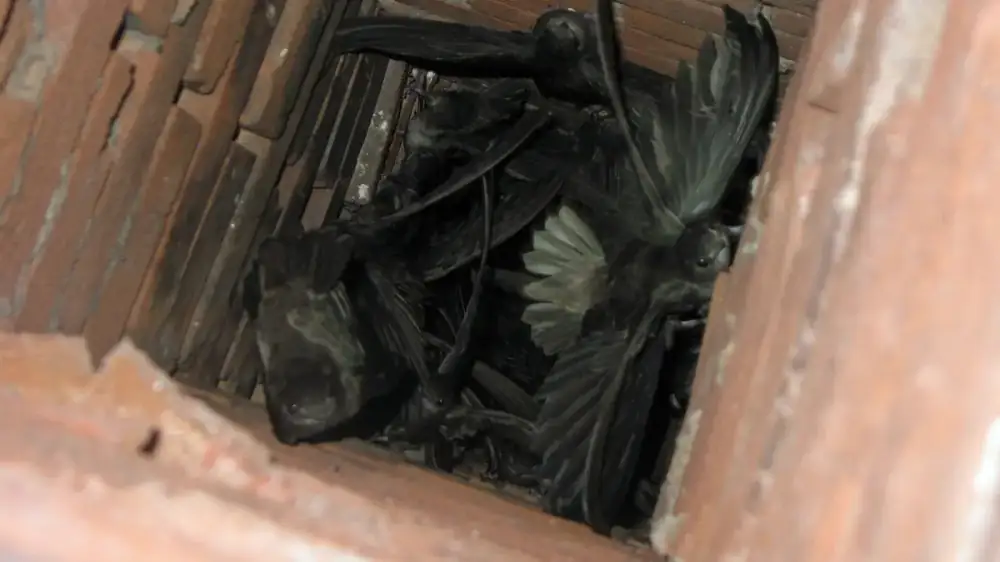
Birds and animals get into a chimney down the open flue — almost always because the cap is missing, damaged, or has torn mesh. Signs include scratching or fluttering sounds, chirping, foul smells, and debris in the firebox. A cap with sound mesh is the main barrier, but it doesn't end maintenance — mesh can tear or rust. Never light a fire to drive an animal out; removal and any cap work are jobs for professionals.
To a bird or a squirrel, an uncapped chimney is a gift: a tall, warm, sheltered shaft, screened from predators, quiet, and dry. It is one of the most common ways wildlife ends up living inside a house. What makes it so frustrating is the asymmetry — the problem is almost entirely preventable with one working part, yet once an animal is actually in there, the fix stops being anything you should attempt yourself.
It all comes down to one broken barrier
There is really only one way in: down the flue from above. And that only happens when the barrier at the top has failed. In practice the failure takes one of three forms — the cap is missing entirely, leaving the flue wide open; the cap is damaged or knocked askew, opening a gap along one edge; or the mesh has torn or rusted through, so the screen that used to stop things no longer does.
An intact cap with sound mesh closes the flue to animals while still letting smoke and gases escape. That is why a working cap is the single most important defense, and why animal problems and cap problems almost always turn up together — the animal is a symptom, and the cap is the cause. For exactly how the cap and its screen do that work, see how chimney caps protect against rain and debris, and for what a failing screen looks like, damaged chimney cap mesh.
You'll hear it before you see it
Wildlife in a chimney announces itself through the house long before you find physical evidence. The most common tip-off is sound: scratching, scrabbling, or fluttering carrying down from the flue or firebox. Chirping, squeaking, or chittering — especially the thin insistent calls of young — points to an active nest rather than a passing visitor. A foul or musky smell near the fireplace can mean a living animal, its droppings, or something that has died in the shaft. Twigs, leaves, feathers, or nesting material dropping into the firebox is a giveaway, and so is a cloud of flies or a musty odor collecting at the hearth. Sometimes the clearest sign is simply visual: a bird landing on the chimney top and vanishing into it, watched from the yard.
Different animals leave different signatures — birds flutter and chirp, while squirrels and raccoons produce heavier, clumsier scrabbling — but you do not have to name the species to know it is time to act.
| What you notice | What it may indicate |
|---|---|
| Fluttering, chirping near the top | Nesting birds |
| Heavy scrabbling, scratching | Squirrel or larger animal |
| Foul smell, flies at the hearth | Droppings, a nest, or a dead animal |
| Nesting debris in the firebox | Active or abandoned nest above |
| Bird entering the flue top (binoculars) | Open or damaged cap |
What a good cap can promise — and what it can't
Once the immediate problem is resolved, fitting or restoring a proper cap is the real, lasting fix. The screen's openings are sized to pass smoke and gases while blocking birds, squirrels, and larger debris. That is genuine protection, and it reduces the odds of a repeat enormously.
It does not, however, make the chimney animal-proof forever, and it helps to be honest about that. Mesh rusts. Mesh tears. A determined animal can pry a screen loose, and a gust or a fallen branch can knock a cap askew and open a gap. A cap that was doing its job a year ago can quietly stop doing it without any announcement. So the cap earns a place on the short list of things worth checking from the ground a couple of times a year. It is a barrier that works superbly right up until it doesn't — and the only way to know which state it is in is to look.
Getting one out is not a homeowner job
This is the point where the sensible thing is to stop and hand off. Removing an animal from a chimney belongs to a wildlife-removal specialist or a chimney professional, and the reasons stack up. The work often happens at or near the top of the chimney, which is roof-level height with all the fall risk that implies. The animal itself may be frightened, cornered, and defensive, and handling it safely takes the right equipment and experience. Some animals, and nesting birds in particular, are legally protected during certain seasons, with specific humane and legal ways they must be dealt with. And afterward the nesting material has to be cleared and the flue checked before the fireplace is safe to light again.
A professional can do all of that in the right order: remove the animal humanely, clear the nest, and then inspect and repair or replace the cap and mesh that let it in — so the next animal does not simply follow the last one. Fixing the animal but leaving the broken cap is a half-measure that reopens the same door.
The one thing to never try
Whatever else you do, never light a fire to drive an animal out. It comes up often enough to deserve stating plainly. It is cruel, and it is genuinely dangerous: a panicked animal or a dislodged nest can block the flue and push smoke back into the house, and burning nesting material is a straightforward fire hazard. There is no version of it that is safe or humane.
Your part in all of this is early and low to the ground. Notice the sounds indoors. Check the cap through binoculars from the yard or an upstairs window, watching for a crooked or lifted cap, torn or rusted mesh, nesting material around the opening, or birds using the flue as a front door. Keep the fireplace unused until someone has confirmed it is clear. To catch a failing cap before an animal ever finds it, signs a chimney cap needs replacement is worth reading, and the seasonal chimney inspection guide turns those checks into a routine.
Your questions, answered
How do birds and animals actually get in?
They come in over the top, down the open flue. That almost always means the chimney cap is missing, damaged, or has torn mesh. An intact cap with sound mesh closes the opening while still letting smoke out, so a working cap is the single most important barrier against animals getting in.
What tells me something is living in there?
Common signs include scratching, scrabbling, or fluttering from the chimney or firebox, chirping or squeaking (especially from young), a foul smell, debris or nesting material dropping into the firebox, and flies or a musty odor near the hearth. A bird repeatedly landing on and disappearing into the chimney top is another clear clue.
Does a mesh cap keep animals out permanently?
A cap with sound mesh is the main barrier and dramatically cuts the chance of nesting — but it does not end maintenance. Mesh rusts, tears, or gets pried loose, and a damaged cap lets animals right back in. It needs periodic checking from the ground to stay effective; it is not install-and-forget.
Can I get the animal out myself?
No. Removal can mean working at the top of the chimney and dealing with a frightened or protected animal, and some species and nesting birds are legally protected during certain seasons. It is a job for a wildlife-removal specialist or chimney professional who can do it humanely and safely. And never light a fire to drive an animal out — that is cruel and dangerous.
Why is lighting a fire such a bad idea?
Using fire to force an animal out is inhumane and hazardous. A panicked animal or a nest can block the flue and send smoke back into the home, and burning nesting material is a fire risk. The safe, humane route is to have a professional remove the animal and then fix the cap that let it in.
When should I make the call?
As soon as you suspect an animal is inside — a wildlife specialist for the removal, and a chimney professional to inspect and repair or replace the cap and mesh that allowed entry. Both the removal and the cap work happen at or near the top of the chimney, so they are professional jobs, not homeowner ones.
You might also like
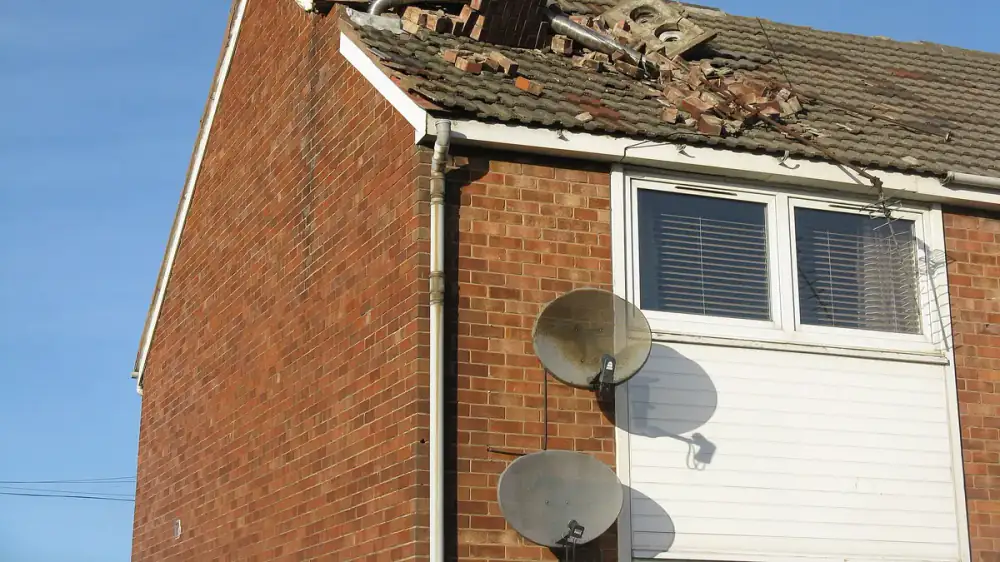
Chimney Storm Damage: What to Check
Storms dislodge caps, crack crowns, and lift flashing. Here's a ground-level, post-storm chimney check — what to look for, what to do, and when to call a pro.
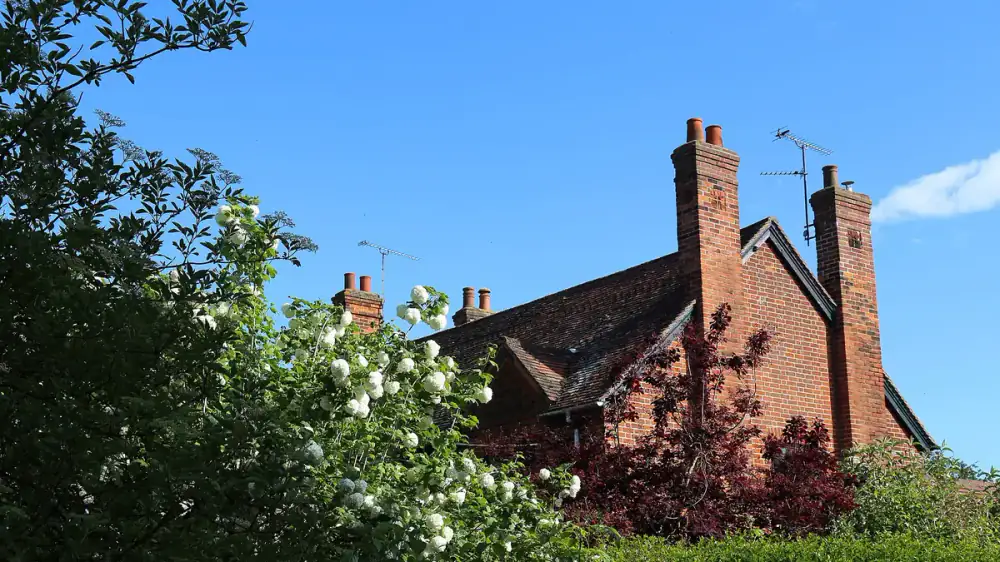
Seasonal Chimney Inspection From the Ground
A short binocular check each season catches most chimney trouble early. Here's what to look for from the ground, a simple cadence, and when to book a pro sweep.
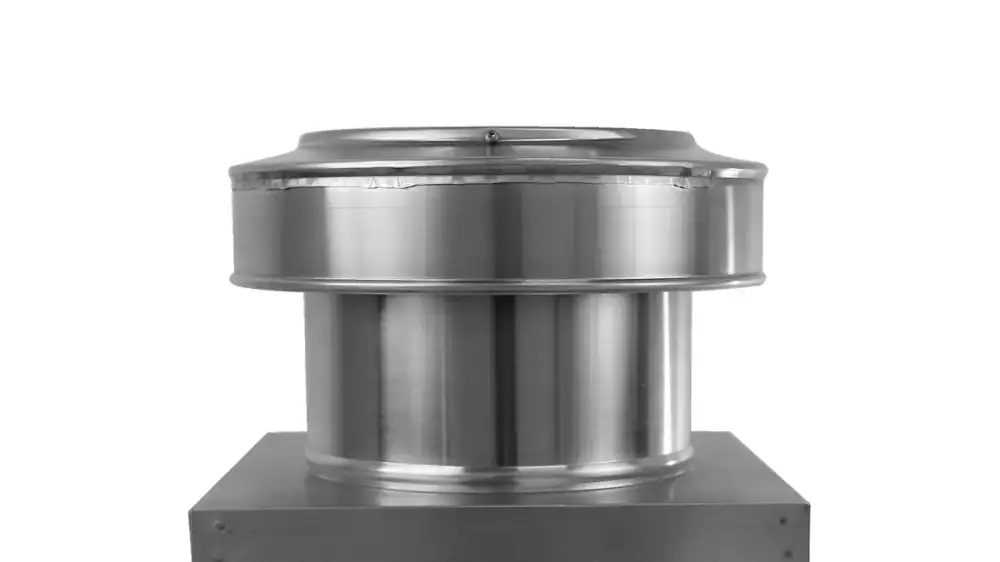
Roof Vents and Vent Covers Explained
Roof vents let the attic breathe, and their covers keep weather out while air keeps moving. Here are the common types, what covers do, and how to spot damage safely.