Dark Stains on the Soffits: What They Mean
Dark patches spreading under the eaves usually mean moisture is reaching wood it shouldn't — most often from gutter overflow, a roof-edge leak, or trapped humidity.
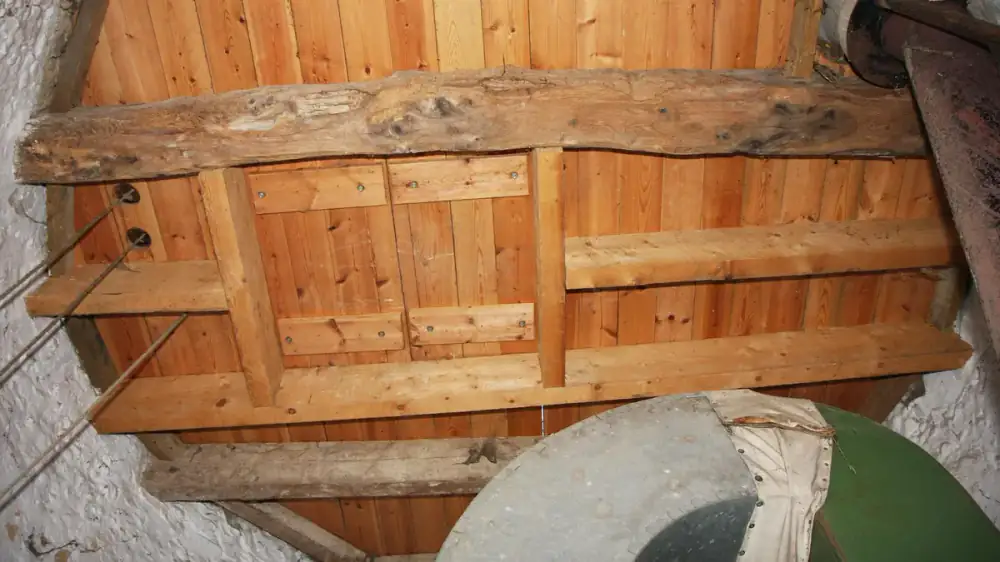
Dark stains on soffits almost always mean moisture is reaching the underside of the eaves — most often from gutter overflow, a roof-edge leak, or humid attic air condensing there. Occasionally it's mildew on a damp, shaded soffit, which still signals a moisture problem. Read the pattern from the ground to find the source, then treat it as roof-edge work best left to a professional.
A soffit lives in the shade, does its quiet job of closing in the underside of the eaves, and asks for nothing. That is exactly why a dark patch on one is worth stopping for. A soffit is supposed to stay dry. When it doesn't — when a streak or a bloom of discoloration shows up on that pale board — the stain is not the problem. It's the receipt for a problem happening somewhere you can't see, and the shape of the stain is often the best clue you'll get.
Let the stain do the talking first
Before wondering how to make the mark go away, spend a minute reading it. Water leaves a signature, and the location and shape of the discoloration usually points back toward its source.
A stain that sits directly under a length of gutter, and gets worse after a downpour, tends to be a drainage story. A stain that seems to emerge from the roof edge and creep outward suggests water is getting past the roofing or flashing above and traveling along the structure. Discoloration that clusters tightly around the little vents set into the soffit is a different animal entirely — that's usually humidity, not a leak. And a soft, even greying across a board that never sees sun can be mildew colonizing a surface that simply won't dry.
None of these are guesses you have to make blindly. Each leaves a slightly different fingerprint, and matching the pattern to the cause saves you from chasing the wrong fix.
The three ways water gets there
Most stained soffits trace back to one of three moisture paths, with mildew riding along on any of them.
Gutter overflow, or water sneaking behind the trough. This is the single most common source. When a gutter overflows the front lip, or when water runs behind the gutter instead of into it, that runoff lands on the fascia and the soffit directly rather than being carried off the roof. Do that through enough storms and you get the dark streaking that so often appears right below a problem gutter.
A leak at the roof edge. Water that slips past the roofing or the flashing at the eave can run along the framing and surface on the soffit some distance from where it actually entered. This kind of stain has a habit of appearing after heavy rain and slowly enlarging over months, which is what makes it easy to shrug off until it isn't.
Humid attic air condensing from behind. Soffits frequently house the intake vents that let the attic breathe. If that airflow is sluggish or blocked, warm moist air can condense around the vents and stain the board from the inside out. There's no dramatic drip with this one, which is precisely why it gets missed — the wetting is happening on the hidden face of the wood.
Layered over all of this is the fascia connection. The fascia and the soffit are joined at the roof edge, so when one takes on water the other usually shows it too. If the fascia above your stain looks marked as well, you're likely looking at a shared roof-edge source, a link worth understanding alongside the broader signs soffits have moisture damage.
A rainy-day inspection from solid ground
You can narrow the cause considerably without ever leaving the ground or an upstairs window — and given that everything above the soffit is a fall risk, the ground is exactly where this part belongs.
Wait for a steady rain, then watch. Is the gutter above the stain spilling over its front edge or dribbling down behind it? Is there a drip at the roof edge that lands squarely on the discolored board? Does the water seem to be arriving from the vents rather than running down to them? A few minutes of observing water in motion tells you more than any amount of squinting at a dry stain.
When the weather clears, map what you've got. Note whether the discoloration sits under one particular run of gutter, radiates from the roof edge, or rings the vents. Check that gutter for clogs or overflow. Compare the fascia to the soffit. The goal here is diagnosis, not repair — you're trying to sort the stain into the drainage bucket, the leak bucket, or the ventilation bucket, so that whoever fixes it isn't working blind.
Why painting over it is the worst option
The most tempting response to a stained soffit is also the one that does the most quiet harm: a coat of paint. It makes the mark disappear for a season and lets everyone forget the water is still arriving.
Behind that fresh paint, the wetting continues. Peeling returns, the board softens, and what began as a cosmetic smudge becomes saturated trim and, eventually, decay in the structure behind it. Covering a moisture stain without finding the moisture is one of the classic entries in the catalog of exterior maintenance tasks homeowners commonly ignore — cheap and satisfying today, expensive and structural later.
Two more things worth resisting: don't seal up the soffit vents in an attempt to stop condensation, since they're part of the attic's airflow and blocking them tends to make the dampness worse; and don't talk yourself into believing it's "just mildew" and therefore harmless. Even genuine mildew means the board is staying wet for a reason that hasn't gone away.
What you can usefully do from the ground is real. Clearing a clogged gutter and correcting overflow addresses the most common cause outright, as covered in overflowing gutters and their causes. Making sure downspouts carry water well clear of the eaves keeps runoff from cycling back toward the roof edge. And documenting the stain's pattern and timing gives a professional a running start.
When it's worth handing off
There's a clear line here, and it's mostly about height and hidden things. Confirming a roof-edge leak, tracing condensation back through the attic, and repairing or replacing soffit and fascia that have taken on water all happen at elevation and often behind the trim, where the actual damage hides. That combination — fall risk plus a cause you can't see from the driveway — is where professional diagnosis earns its keep.
The timing that matters most is early. A soffit stain caught while it's still a stain is a small job. The same stain left to work for a couple more seasons, until the board is spongy and the fascia behind it has gone soft, is a much larger one. Reading the pattern, finding the water, and getting the roof-edge work done before decay sets in is the whole game.
Your questions, answered
What causes dark stains on soffits?
Almost always moisture reaching the underside of the eaves. The usual sources are gutter overflow spilling behind or over the edge, a leak at the roof edge or flashing, and humid air venting from the attic that condenses on the soffit. Less often, mildew growth on a damp, shaded soffit creates the dark look. The common thread is water where it shouldn't be.
Are dark soffit stains a sign of a serious problem?
They can be, because they usually mean wood is getting wet. Persistent moisture in the soffit can lead to peeling, staining, and eventually decay in the trim and the structure behind it. A stain is an early warning worth investigating rather than painting over — catching the moisture source early is far easier than dealing with rot later.
Can gutters cause staining on the soffits?
Yes, very commonly. When a gutter overflows or water runs behind it, that runoff reaches the fascia and soffit directly instead of being carried away. Repeated wetting leaves dark streaks and patches on the soffit below. If the stains sit beneath a gutter that overflows or spills behind, drainage is the likely source.
Could the stains be mildew rather than a leak?
Possibly. A shaded, damp soffit can grow mildew that looks like dark staining. But mildew still points to a moisture problem — the soffit is staying wet for some reason. Whether it's a leak, overflow, or trapped humidity, the underlying issue is the same: moisture needs to be found and addressed, not just cleaned off the surface.
Does attic ventilation affect soffit stains?
It can. Soffits often house intake vents, and if warm, humid air from the attic isn't moving properly, moisture can condense around the vents and stain the soffit from behind. Blocked or inadequate ventilation is a less obvious cause than a leak, but it produces the same damp, discolored result and is worth considering.
Can I fix stained soffits myself?
You can observe and narrow down the cause from the ground, and that's genuinely useful. But confirming a roof-edge leak, correcting gutter overflow, and any repair to the soffit or ventilation involve work at height and often behind the trim. Because soffit and roof-edge work carries fall risk and the moisture source can be hidden, it's usually best handled by a professional.
You might also like

Why Green Growth Keeps Returning on Siding
Algae and mold return because cleaning removes the growth but not the shade and moisture that feed it. Fixing those conditions is what makes it stop.
Moss Growing on the Roof: What to Do
Moss takes hold on shaded, damp roof sections and holds moisture against the shingles — but removing it from the roof is risky work for a professional.

Efflorescence: The White Residue on Brick
The white powder on brick is efflorescence — mineral salts drawn to the surface by moisture moving through the masonry and left behind as water evaporates.