What to Do When Gutters Come Loose After a Storm
Sagging, pulling away, or hanging by a corner after a storm usually traces to overloaded fasteners, added weight, or wind — and it needs prompt, careful attention.
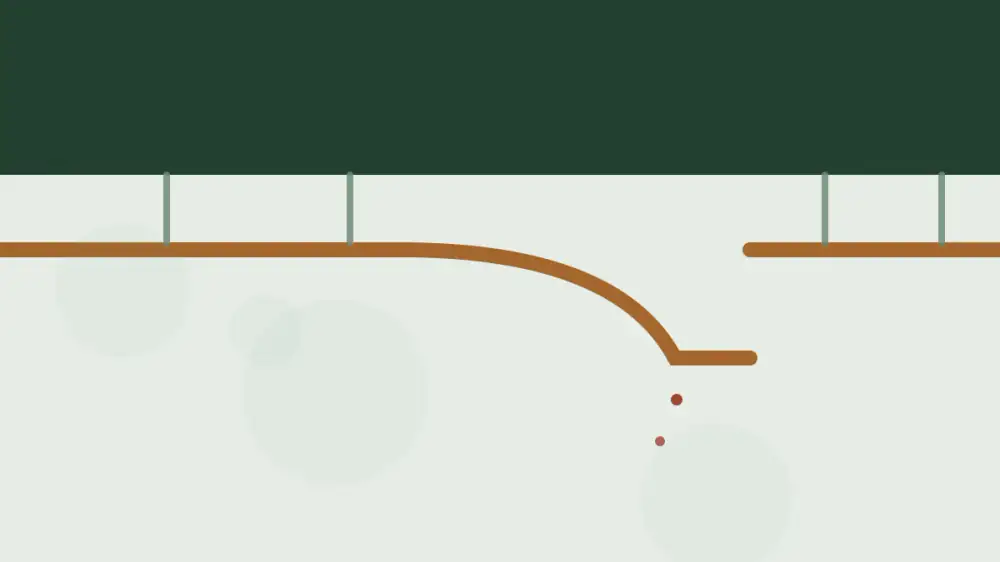
Gutters come loose after a storm when fasteners are overloaded by the weight of water and debris, or when wind and falling branches pull a run away from the fascia. Often the hardware or the wood behind it was already weakened. Assess it from the ground, keep the area below clear, and treat reattachment as roof-edge work best handled by a professional.
The instinct when you see a gutter sagging off the fascia is to get a ladder and push it back before the neighbors notice. Resist it. A loose gutter after a storm is one of the few exterior problems where the smartest first move is to do almost nothing physical — to stand back, keep people out from under it, and understand what actually failed. A run that's now draining against the house, or one hanging by a single corner over a walkway, is a bigger and more dangerous problem than the sag itself, and rushing up a ladder to a compromised roof edge is exactly the wrong response to it.
Why the storm was the last straw, not the whole story
It helps to picture what holds a gutter up in the first place. The run hangs from fasteners — hangers, brackets, or spikes — driven into the fascia board behind it. That hardware is sized for the ordinary weight of a gutter carrying moving water. A storm changes the math in several ways at once, and usually more than one is in play.
The most common is sheer weight. Heavy rain combined with debris can fill a run with far more load than it was built to hold, and if the fasteners were already near their limit, that surge is enough to pull them out. A gutter that was clogged going into the storm is especially exposed: clogs mean standing water instead of draining water, so the hardware has been carrying extra strain constantly, and the storm simply finishes a job that was already well underway. This is why cleaning matters so much as prevention — it removes one of the biggest contributing loads before the weather can pile on.
Then there's the weather acting directly on the run. Strong wind can get under the edge of a gutter, lift it, and work it away from the fascia — long, exposed sections and corners are the first to go. A falling branch or heavy debris can knock a section loose or bend it in a single blow, no matter how sound the fasteners were. That kind of impact damage owes nothing to maintenance; it's just bad luck arriving at speed.
Underneath all of these sits a quieter culprit: the wood itself. Fasteners are only as strong as what they anchor into, and if the fascia has softened with rot, the hardware loses its grip and even a modest storm can peel the gutter away. The mechanism behind that decay is covered in what causes fascia rot, and it's worth suspecting whenever a gutter won't stay put.
Reading the damage from where you're standing
Everything in this stage happens with both feet on the ground and a clear space beneath the loose section. What you're trying to work out is how loose it is and whether it's now dumping water against the house — enough to prioritize the repair, not to attempt it.
- Stand back and sight along the run. A dip or sag in a line that used to be straight, a gap opening between the gutter and fascia, or a section hanging low or dangling from one end all tell you how far it has moved.
- Look for pulled fasteners standing proud of the fascia or gaps you can see from below — the clearest evidence of what let go.
- Read the fascia and trim for staining, peeling paint, or a soft-looking, sagging line, any of which hints that rotten wood was part of the failure.
- If it's safe, watch it in the next rain and note where water now spills or runs against the wall.
Above all, treat anything hanging as a falling hazard and keep people and pets clear of the area below it. The point of looking is to gauge severity, not to talk yourself into a ladder.
The holding actions that are actually yours to take
There's a genuine and useful role for you here, and it isn't reattachment. Cordon off any spot where a section could come down, especially over a walkway or entry. If part of the run is within safe, stable, ground-level reach, removing standing debris lightens the load — but don't stretch, lean, or climb to do it; the weight relief isn't worth the fall. Note where the runoff is now going, because a gutter draining against the house feeds straight into water pooling near the foundation, and that compounds quickly. And document what you're seeing — where it's pulling away, which fasteners have pulled, any signs of fascia damage — so whoever repairs it starts with a clear picture. The signs your gutters need repair can help you frame that conversation.
Why "just push it back" doesn't hold
The tempting shortcut — shove the run back up and re-drive the old fasteners into the same holes — fails for a reason worth spelling out. Reattachment that doesn't address why the gutter came loose is temporary by design. If the load, the hardware, or the fascia was the problem, re-driving old spikes into enlarged or rotten holes just resets the clock on the next failure, and often a shorter clock at that. Refastening into softened wood is worse than leaving it, because it hides worsening rot behind a gutter that looks fixed. A loose gutter also tends to fail further rather than settle, so waiting for the next storm is a bet against the odds. And a rushed reattachment at height carries the real risk that makes this whole job a poor candidate for improvisation.
Where a professional comes in — early, not last
This is one of those problems where calling a pro is usually the right first step rather than a fallback. Reattaching or replacing a run with proper hardware, repairing or replacing any fascia that has rotted behind it, and judging whether wind or a direct strike bent the gutter beyond a simple refasten are all roof-edge tasks that reward proper access and equipment. A professional can also tell you something you can't easily see for yourself: whether this was an isolated failure or a sign the whole system's fasteners are near the end of their working life, in which case a run-by-run repair is just chasing the next one. If the storm brought snow or ice along with the wind and rain, it's worth reviewing how snow and ice damage gutters so the repair is built for the coming season and not just the last one.
Frequently asked questions
Why did my gutters come loose after the storm?
Storms combine several stresses. Heavy rain plus debris can fill a gutter with far more weight than it normally carries, overloading the fasteners that hold it to the fascia. Wind can lift and pull at a run, and falling branches can strike it directly. Often the fasteners were already near their limit and the storm was simply the tipping point.
Is a loose gutter an emergency?
It's not usually a middle-of-the-night emergency, but it does need prompt attention. A gutter that's pulling away can drain water against the house, come down in the next storm, or fall unexpectedly. If a section is hanging over a walkway or entry, keep people clear of the area and arrange repair rather than leaving it, since it can be a falling hazard.
Can I push a loose gutter back and refasten it myself?
Refastening a gutter is roof-edge work at height, which carries real risk, and pushing it back without addressing why it failed rarely holds. You can assess the situation from the ground, keep the area below clear, and clean out weight where it's safe to reach, but the actual reattachment is usually best left to a professional with the right access and hardware.
What holds a gutter to the house, and why does it fail?
Gutters are held to the fascia by fasteners such as hangers, brackets, or spikes. They fail when the load exceeds what they can hold — from water and debris weight, ice, or wind — or when the fascia they anchor into has softened with rot. A storm often exposes fasteners or fascia that were already weakened.
Will cleaning my gutters prevent them from coming loose?
It helps significantly. Clogged gutters hold standing water and debris, adding heavy load the fasteners must carry, especially during a storm. Keeping them clear reduces that weight and the strain on the hardware and fascia. It won't stop a direct branch strike or extreme wind, but it removes one of the most common contributing factors.
How do I know if the fascia behind the gutter is damaged?
From the ground you may see staining, peeling paint, or a sagging line along the trim, and a gutter that won't stay fastened can be a clue the wood behind it has softened. Confirming rot usually requires a closer look at the roof edge. If the fascia is compromised, it typically needs repair before a gutter will hold securely again.
You might also like
Why Green Growth Keeps Returning on Siding
Algae and mold return because cleaning removes the growth but not the shade and moisture that feed it. Fixing those conditions is what makes it stop.
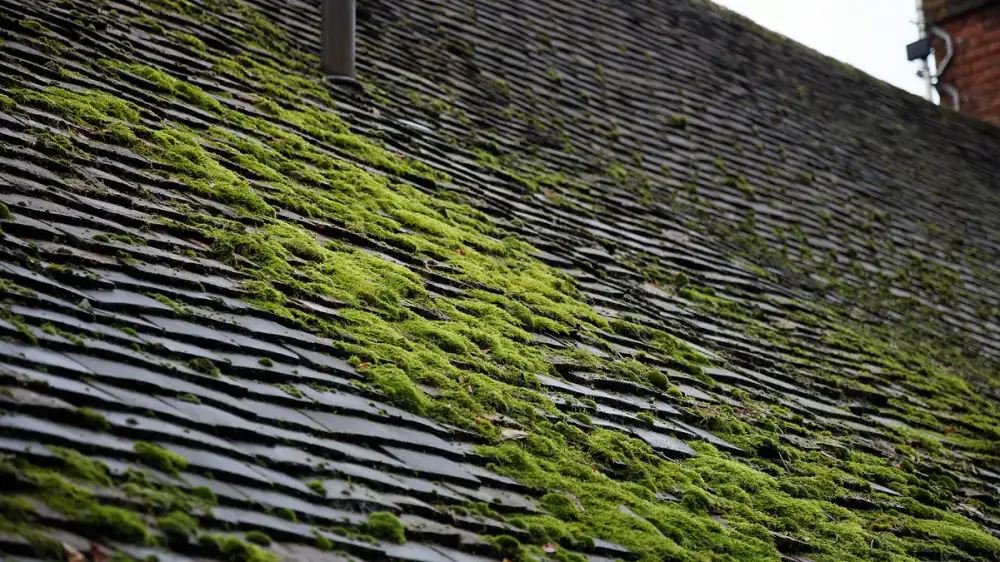
Moss Growing on the Roof: What to Do
Moss takes hold on shaded, damp roof sections and holds moisture against the shingles — but removing it from the roof is risky work for a professional.

Efflorescence: The White Residue on Brick
The white powder on brick is efflorescence — mineral salts drawn to the surface by moisture moving through the masonry and left behind as water evaporates.