Siding Is Warping or Buckling
When siding waves, bulges, or pulls away from the wall, it's usually reacting to heat, trapped moisture, or how it was installed — and the pattern tells you which one.
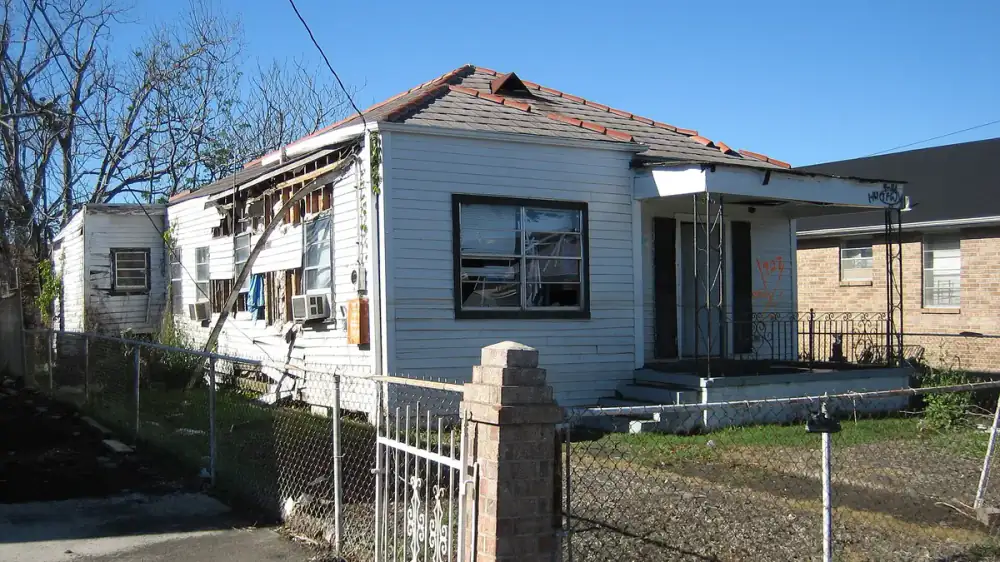
Siding warps or buckles when it's reacting to heat, trapped moisture, or how it was fastened. Vinyl that was nailed too tight can't expand and buckles; reflected heat from windows or grills distorts panels; and water behind the wall swells the material and pushes it out of shape. Read the pattern and location to find the cause, and match the repair to the siding type.
Siding is supposed to lie flat and shed water, so a wall that has started to wave, bulge, or pull away from the sheathing is unmistakably reacting to a force. The encouraging news is that the force tends to sign its work. Heat leaves one kind of signature, moisture another, and a fastening mistake a third — and once you can tell them apart, you're most of the way to a repair that actually holds. So rather than march through a list of causes, it helps to learn to read the wall.
The heat signature
All siding expands and contracts as temperatures rise and fall, and vinyl does it dramatically. That movement is normal and expected; problems begin only when the panel has nowhere to go.
The classic version is thermal buckling from over-tight installation. When panels are nailed too tightly or butted together without room at the ends, expansion on a hot day has no outlet and the panel waves or ripples instead. This is one of the most common causes of wavy vinyl, and its tell is timing: buckling that worsens in the heat of the day and eases somewhat as the wall cools is announcing thermal movement. Look for waviness running along a whole course, most visible when raking light skims across the wall.
A sharper version is reflected and concentrated heat. Energy-efficient window glass, metal surfaces, and light-colored pavement can bounce sunlight onto a small patch of siding and drive it far hotter than the wall around it. Vinyl can distort or even melt under that focused heat, leaving a localized wound rather than a general ripple. When distortion is confined to a single spot facing a window, a grill, or bright paving, reflected heat is almost certainly the cause — and you can confirm it by checking what sits opposite the worst area.
The moisture signature
Water writes a different story on the wall, and it usually starts behind the panels rather than in front of them.
When water gets behind the siding — from water running behind gutters, overflow, or a leak — it soaks the sheathing and trim, which swell and press the panels outward. Wood and engineered sidings are especially prone to cupping and warping when they stay damp, but any system distorts when its backing changes shape. The moisture signature reads differently from the heat one: instead of waviness that comes and goes with the sun, you'll see warping that follows a damp streak, sits below a gutter seam or roofline, and doesn't relax as the day cools. Gaps opening at the ends of panels belong here too, because they let still more water and pests behind the wall and deepen the problem.
The fastening signature
Sometimes the wall was set up to fail from the day it went on. Siding must be fastened in a way that permits movement — correct gaps, correct nailing, panels never forced together. Nails driven too tight, courses locked without expansion room, or panels crowded end to end all set the stage for buckling the first genuinely hot day. This signature overlaps with the heat one, which is fair, because installation and thermal movement are two halves of the same failure: the heat supplies the push, and the tight fastening removes the room to absorb it.
Reading the wall without touching it
You can learn a great deal from the ground, and you should keep it there — prying at panels damages them and the interlocking courses around them, and eave-height work is a job for a professional.
Study the pattern in raking light first: waviness across a whole run leans toward thermal movement or fastening, while a single distorted spot leans toward reflected heat. Then check what faces the worst area — a window, a metal railing, a grill, or bright pavement nearby all point to concentrated heat. Trace any damp streaks upward to a gutter seam, downspout, or roof edge that could be sending water behind the siding. Note when the buckling is worst; if it comes and goes with the heat of the day, thermal expansion is the driver. And during a rain, watch the wall for overflow or water tracking behind the panels near the warped area. The whole exercise is matching the pattern to a cause from where you stand.
Turning the diagnosis into a repair
Once you know which signature you're reading, the fix follows naturally — and in every case it addresses the cause before the panel.
If reflected heat is at work, moving a grill away from the wall or adding shade or screening to a reflective window stops further distortion. You can't un-melt a panel, but you can prevent the next one. If water behind the wall is to blame, correcting the drainage is what breaks the cycle: clear the gutters, stop the overflow, and make sure downspouts carry water well away from the house. Because so much siding warping traces back to water getting behind the wall, keeping the gutters clear and the roof edge draining properly is the best long-term protection you have — and it's worth addressing any related fascia rot that could be letting water in, along with the moisture behind the vinyl siding itself.
Whatever the cause, distorted panels generally need replacing — but replacing them without fixing why they warped simply repeats the problem on a fresh panel. A few missteps are worth naming: don't just swap the panel and stop, don't nail replacement siding tight (over-tight fastening removes the very room the material needs and recreates the buckling), don't ignore gaps and bulges that invite water and pests, and don't pressure wash warped siding aggressively, since high pressure can drive still more water behind the panels.
When to hand it off
Bring in a pro when the warping is widespread, when it's on upper stories out of safe reach, or when it's tied to moisture behind the wall that needs both diagnosis and repair. Reaching distorted panels at eave height from a ladder, while managing the delicacy of interlocking courses, is exactly the kind of work worth handing off. A professional can replace panels with the correct expansion gaps, match the existing siding, and confirm whether water has reached the sheathing or framing behind it. Installation-related buckling in particular is best corrected by someone who understands how the system is meant to move.
If panels keep distorting even after you've addressed the obvious heat or moisture source, that's the signal to get an experienced eye on the wall as a whole. Scanning the broader list of exterior problems can also help you spot a connected drainage cause quietly feeding the warping from somewhere you haven't looked yet.
Questions people also ask
Why is my vinyl siding buckling?
Vinyl expands and contracts with temperature, and it needs room to move. If panels were nailed too tightly or set without the proper gap at the ends, they have nowhere to go when they expand in the heat, so they buckle instead. Reflected heat from windows, grills, or pavement can push the same panels past their limit. The buckling is the siding telling you it can't move freely.
Can trapped moisture warp siding?
Yes. When water gets behind the siding — from gutter overflow, a leak, or poor drainage — it can swell the sheathing or trim behind the panels and shove them out of shape. Wood-based siding is especially prone to warping and cupping when it stays wet. If the warping follows a damp streak or sits below a gutter problem, moisture is a strong suspect.
Is warped siding just cosmetic?
It can start out looking cosmetic, but warping often signals something behind the surface — trapped moisture, a fastening failure, or heat stress — that's worth understanding. Gaps and buckles also let water and pests behind the wall, which turns an appearance issue into a moisture and rot problem over time. Far better to find the cause than to assume it's only skin deep.
Why does siding warp near a window or grill?
Low-emissivity window glass, metal, and even light-colored pavement can reflect and concentrate sunlight onto a small area of siding, driving its temperature well above the rest of the wall. Vinyl in particular can distort or melt under that concentrated heat. Warping that's confined to a spot facing a window or a grill points to reflected heat as the cause.
Will warped siding go back to normal?
Sometimes heat-related waviness relaxes a little as temperatures fall, but siding that has been distorted, melted, or pushed out by moisture generally doesn't return to its original shape. The realistic fix is to correct the underlying cause and replace the affected panels — work best matched to the siding type and its installation.
Can I just replace one warped panel myself?
Replacing individual panels is possible on some systems, but it means releasing the interlocking courses without harming the neighboring ones and refastening with the correct spacing. Done wrong, it recreates the same over-tight condition that caused the original problem. If the warping is widespread or tied to moisture behind the wall, it's better handled by a professional who can address the cause too.
Related reading
Why Green Growth Keeps Returning on Siding
Algae and mold return because cleaning removes the growth but not the shade and moisture that feed it. Fixing those conditions is what makes it stop.
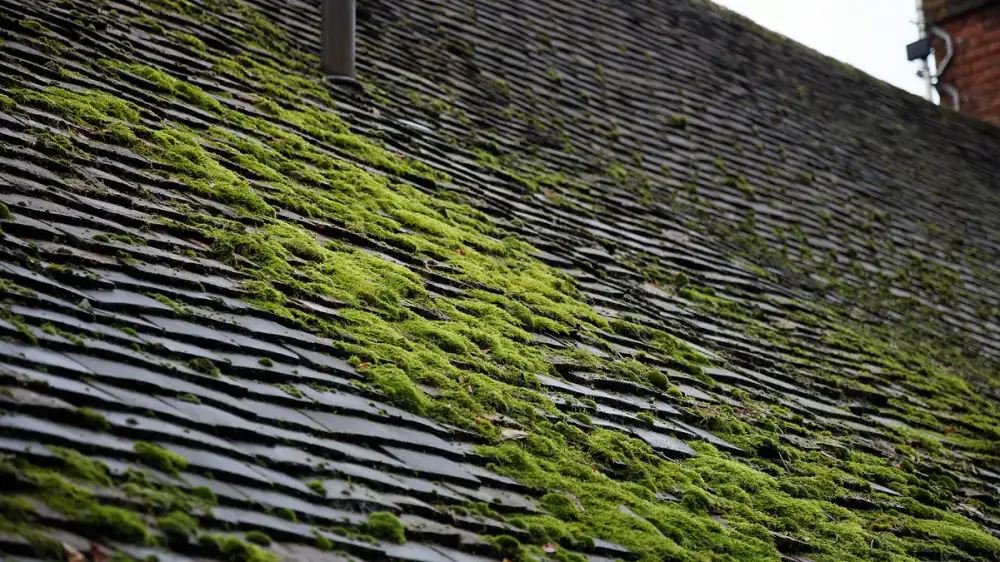
Moss Growing on the Roof: What to Do
Moss takes hold on shaded, damp roof sections and holds moisture against the shingles — but removing it from the roof is risky work for a professional.

Efflorescence: The White Residue on Brick
The white powder on brick is efflorescence — mineral salts drawn to the surface by moisture moving through the masonry and left behind as water evaporates.