Vinyl Siding: Care and Cleaning
Vinyl siding is low-maintenance, but it's also more delicate than it looks — pressure can crack it, and heat can warp it. Here's how to keep vinyl clean without damaging the panels.
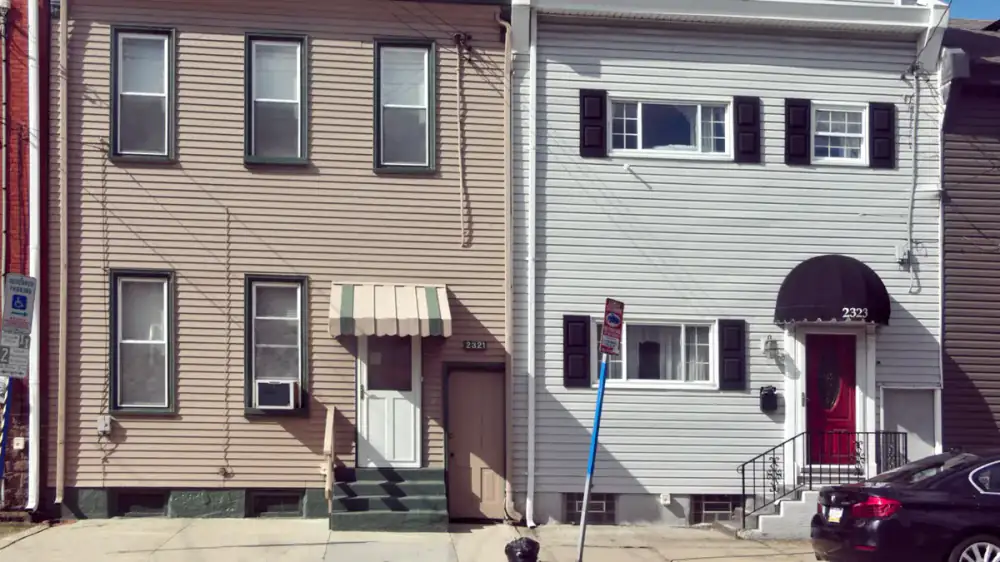
Vinyl siding is genuinely low-maintenance — a yearly wash with mild detergent and a soft brush keeps it looking new. The two things to respect are pressure and heat: high pressure can crack panels and drive water behind the siding, and concentrated heat can warp it. Clean it gently, spray straight on rather than up under the laps, and treat soft washing as the default for vinyl.
Vinyl is the most common cladding on American homes, and it earned that spot honestly: it's cheap, it comes in every color, and it asks for almost nothing beyond an occasional wash. The problem is what homeowners hear in the word "low-maintenance." They hear "bulletproof," and vinyl is not that. It's a thin plastic panel that grows brittle in the cold, warps in the heat, and — the part most people never think about — hangs over a wall assembly that has to be kept dry to survive.
So caring for vinyl is really two small disciplines. Clean it gently. And never, ever force water where it doesn't belong. Get those right and vinyl gives long, uncomplicated service.
Low-maintenance is not the same as tough
It helps to understand what vinyl siding actually is: a rain screen. The panels are installed over a moisture barrier, and the whole system is designed to shed most water on the outside while letting the wall behind drain and dry. The vinyl itself is plastic — it doesn't absorb water, doesn't rot, doesn't need sealing. That's the durable part.
The fragile part is everything about how thin plastic behaves under stress. It cracks under impact, especially in cold weather when it's at its most brittle. It expands and contracts noticeably with temperature, which is why it's nailed with room to move rather than pinned tight. And it holds a surprisingly modest set of stains for a smooth surface — algae and mildew on shaded north walls, chalking on sun-aged panels, dirt and pollen, cobwebs under the eaves, rust runoff from fixtures, and the odd artillery-fungus spotting near mulch beds. Most of that comes off with routine washing, and organic growth is the recurring reason many homes need a wash every year or two.
The two things vinyl can't take
Everything that damages vinyl beyond ordinary wear traces back to one of two forces.
Pressure cracks it. A narrow, close, high-pressure stream can crack or gouge the relatively thin panels outright. That alone would put vinyl toward the delicate end of the cleaning scale — but pressure carries a second, worse risk covered in its own section below.
Heat warps it. Because vinyl moves with temperature, concentrated heat is its quiet enemy: reflected sunlight off a neighbor's low-E window, a grill or fire pit too close to the wall, dark surfaces radiating heat back at the panels. Heat-warped vinyl does not recover — a buckled panel is a replacement, not a repair. This is also the catch with painting vinyl: a darker color absorbs more heat and can warp panels that were fine in their original shade, so any repaint should stay at or lighter than the original color and use a product rated for vinyl.
Why spraying up is worse than spraying hard
The single biggest cleaning mistake with vinyl isn't hitting it too hard — it's aiming the water the wrong way. Because vinyl is a rain screen, its whole design assumes water stays on the outside of the panels while the wall drains behind. Angle a stream upward and you defeat that: water gets driven up under the laps and behind the siding, past the drainage the system depends on, where it can sit and rot sheathing and framing completely out of sight.
That's why direction matters more than force here. Spray straight on or slightly downward, never up beneath the laps. It's also why soft washing is the safer default for vinyl, and why the safest tool for most homeowners is a garden hose, a soft brush and a cleaning solution rather than a machine. If you do reach for a pressure washer, keep it at low pressure with a wide fan tip and observe the same rule of never jetting upward. Our guide on whether pressure washing can damage siding covers the specifics, and pressure washing versus soft washing explains why the gentler method suits vinyl.
A wash that keeps it looking new
The reliable, low-risk routine takes an afternoon and a soft touch:
- Wet the wall and any plants below it with plain water first.
- Apply a cleaning solution — mild detergent or a siding-safe cleaner; a diluted bleach solution for stubborn mildew, kept off plants.
- Work in sections with a soft-bristle brush on a pole, cleaning from the bottom up to avoid streaks.
- Don't let cleaner dry on the panels in direct sun.
- Rinse from the top down, spraying straight on or downward, never up under the laps.
- Protect landscaping by pre-wetting beforehand and rinsing afterward.
If you're on a ladder to reach upper courses, keep three points of contact and move it often rather than leaning out — chasing one more panel is how ladder work goes wrong. Step-by-step detail lives in how to clean vinyl siding, and green growth is covered in removing algae from exterior walls.
Beyond the annual wash, a few habits keep vinyl trouble-free: wash more often on shaded, damp walls prone to algae; keep heat sources like grills and fire pits away from the panels; check for loose or cracked panels after storms and replace damaged ones promptly; trim vegetation back so plants aren't holding moisture against the wall; and inspect the flashing and trim around windows, doors and penetrations where water could sneak behind.
What the damage is telling you
| What you see | What it usually means |
|---|---|
| Cracked or gouged panels | Impact, cold-weather brittleness or high pressure |
| Warping or buckling | Heat exposure or too-tight installation |
| Loose or rattling panels | Failed nailing or wind damage |
| Fading and heavy chalking | Age and sun exposure nearing cosmetic end of life |
| Persistent green or black growth | Chronic dampness and shade |
| Stains or soft spots behind the siding | Water intrusion — a wall problem, not a surface one |
Cracked and warped panels don't self-heal and should simply be replaced. The genuinely worrying signs are the ones that point behind the siding — musty odors, soft sheathing, interior stains — because those mean water got past the rain screen and you have an installation or flashing problem to investigate, not a wall to wash.
As for how long it all lasts: vinyl is durable in the ways that count day to day, resisting rot, rust and the need to repaint, and holding up well against ordinary weather. Against impact and heat it trails fibre cement, brick and stone, but it's far lower-maintenance than painted wood. Its real limits are brittleness in cold, warping in heat, and fading over time — the color and gloss usually age out well before the panel itself fails. Kept clean and undamaged, vinyl quietly does its job for a long time.
Related guides
- How to clean vinyl siding
- Can pressure washing damage siding?
- Pressure washing vs. soft washing
- Fibre cement siding: care and cleaning
- Painted wood: exterior care and cleaning
Common questions
Can I pressure wash vinyl siding?
You can, but with caution. Vinyl handles a gentle wash well, but high pressure or a narrow tip can crack panels, and — more importantly — force water up behind the siding where it can't dry. Water always wants to get behind lap siding. Use low pressure, a wide tip, spray straight on or slightly downward rather than up under the laps, and for most jobs a soft-wash approach is safer. See can pressure washing damage siding.
How do I get green algae or mildew off vinyl siding?
A cleaning solution of mild detergent or a siding-safe cleaner, applied with a soft brush and rinsed from the bottom up then top down, removes most organic growth. For stubborn mildew, a diluted bleach solution works but must be kept off plants and rinsed thoroughly. Our guide to cleaning vinyl siding walks through the method.
What is the chalky residue that rubs off my siding?
That's chalking — a fine powder that forms as the surface of older vinyl (and painted surfaces) oxidizes in sunlight. It's normal on aged siding and usually washes off with a standard cleaning. Heavy, persistent chalking on faded panels is a sign the siding is nearing the end of its cosmetic life.
Why is my vinyl siding warping or buckling?
Vinyl expands and contracts with temperature, so it's installed with room to move. Warping and buckling usually mean it was nailed too tightly, installed without expansion gaps, or exposed to concentrated heat — reflected sunlight from a nearby window, a grill, or dark surfaces. Heat-warped panels don't recover and need replacement.
Can I paint vinyl siding?
It can be done with paints formulated for vinyl, but there's a catch: painting vinyl a darker color than the original can make it absorb more heat and warp. If you paint it, stay at or lighter than the original shade and use a product rated for vinyl. Many homeowners find replacing faded siding more durable than painting it.
Does vinyl siding need sealing or waterproofing?
No. Vinyl is a plastic panel and doesn't absorb water or need sealing. It's designed as a rain screen — it sheds most water and lets the wall behind it breathe and drain. What matters is keeping water from being forced up behind the panels and making sure flashing and the moisture barrier behind the siding are intact.
Related guides
Metal Roof Edges and Drip Edge
Drip edge and metal roof-edge trim quietly protect the fascia, decking and gutters. Here's what they do and how to keep them working.
Composite Decking: Care and Cleaning
Composite decking is low-maintenance, not no-maintenance. Here's how to clean it, remove stains and avoid damaging the boards.
Natural Stone: Exterior Care and Cleaning
Natural stone is the most durable exterior surface, but some stones etch or stain easily. Here's how to clean and care for it safely.