Wasp and Bee Nests Under the Eaves
The sheltered, dry underside of your eaves is prime real estate for wasps and bees — and where they settle often tells you something about the gaps and moisture around your roofline.
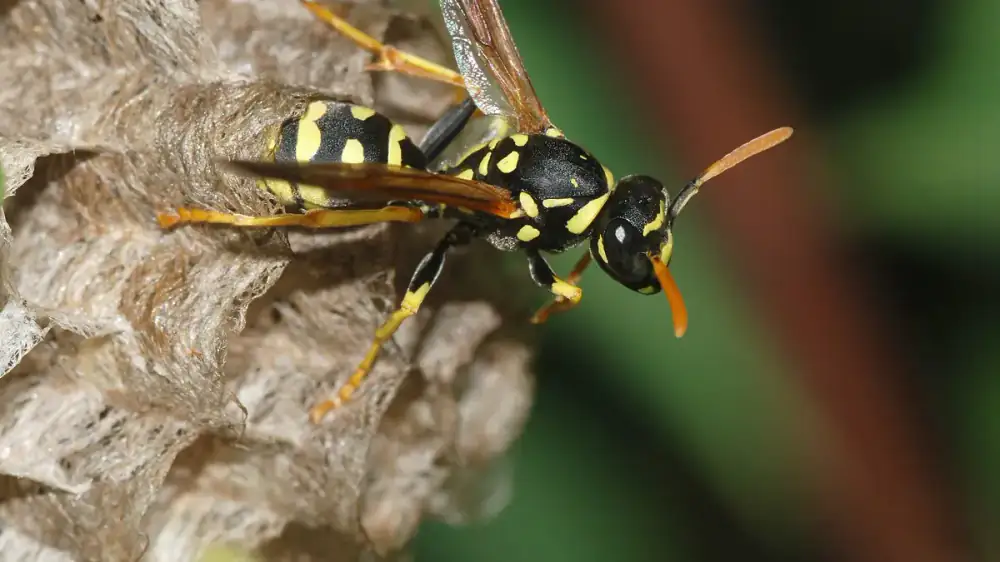
Wasps and bees nest under the eaves because the space is sheltered, dry, sun-warmed, and full of small gaps leading into protected cavities. Where they settle can also point to soffit gaps or moisture damage around the roofline. Identify nests from a safe distance only — removal is a job for a professional — then seal the openings and keep the eave sound once the pests are gone.
If you were a wasp shopping for a house, the underside of a roof overhang would be the listing you circled. It's out of the rain, warmed by the sun for much of the day, lifted well above the reach of most predators, and stippled with little openings that lead into dark, protected cavities. Every feature that makes a soffit good at keeping weather off your walls also makes it excellent lodging for a colony. And once you see the eave through their eyes, a second, quieter fact comes into focus: where insects decide to build says something about the condition of the roofline they chose.
Why the overhang is such good real estate
A nest under the eaves is never an accident of where an insect happened to land. Wasps and many bees are deliberate about site selection, and the overhang checks several boxes at once. The projecting roof shields the space from rain and wind while the sun bakes it warm through the afternoon, producing a stable, dry pocket of air that's close to ideal for raising a brood. Beyond climate, there's access: small openings in the soffit, around vents, or at the seam where the roof meets the wall lead into hidden cavities that make first-rate nesting chambers. And the geometry helps too — the inside corners of eaves and the roof-to-wall junction give a builder both overhead cover and a firm anchor to hang from, which is exactly why those spots get colonized first.
There's often a fourth factor, and it's the one that turns a pest story into a maintenance one. Where a soffit or fascia has gone soft or opened up from long exposure to moisture, it hands insects fresh gaps to exploit. That's why nests sometimes appear right alongside dark stains on the soffits or the other tells of a damp roof edge. The colony didn't cause the decay, but it happily moved into the openings the decay created.
Learning to read the roofline from below
Because getting close to an active nest is the one thing you must not do, everything useful here happens from a distance — ideally with binoculars, standing on solid ground, watching rather than approaching.
- Look for the nest itself. A papery gray umbrella-shaped comb, a larger enclosed papery ball, or waxy combs tucked into a corner or soffit each point to a different builder.
- Follow the traffic. Insects flying repeatedly to and from a single point along the eave — especially a small gap — mark where a nest almost certainly sits, without your needing to go near it.
- Watch when it's warm. Activity that swells with the heat of the afternoon confirms the nest is live rather than abandoned.
- Scan the soffit and fascia. Note gaps, cracks, vents, and any soft or stained areas that could double as access points.
- Notice the material around a site. Chewed or discolored wood near a nest, or insects vanishing straight into a soffit vent, suggests they've moved into the cavity itself.
The purpose of all this is narrow and specific: to know what is nesting and where, so that whoever removes it can plan the job. It is emphatically not to get close enough to confirm the details by eye.
Telling one builder from another
From a safe vantage, the nest material usually gives the species away. Paper wasps assemble open, umbrella-shaped gray combs, often right in an eave corner. Hornets construct the larger, fully enclosed papery globes people picture when they hear "wasp nest." Honeybees are the outlier — waxy combs, sometimes built back inside a wall or soffit cavity, and present in far greater numbers than a wasp colony. The distinction matters beyond curiosity, because a honeybee colony may be protected or worth relocating rather than destroying, which shapes who you call. When you're genuinely unsure, treat the identification itself as a reason to bring in a professional rather than a puzzle to solve up close.
Why removal isn't a homeowner job
It's tempting to reach for a spray can and a ladder, and it's exactly the wrong instinct. Disturbing a nest is what triggers a defensive swarm, and stings can be dangerous for anyone — seriously so for someone with an allergy. Do it from a ladder and you've stacked a fall hazard on top of a swarm hazard, several feet off the ground, with both hands busy. On top of the physical risk, there's the identification problem: knock down what turns out to be a protected or relocatable bee colony and you've caused harm that a pest or beekeeping professional could have avoided. This is genuinely their trade. Let them handle the removal at height, confirm the species, and dispose of or relocate the colony appropriately.
Until that happens, the safest thing you can do is nothing more than keep your distance. Leave the nest undisturbed, and steer people and pets away from the area beneath it until it's cleared. Sealing an opening while a nest is still active inside is a particular mistake — trapped insects tend to chew new exits or push deeper into the structure rather than simply die off.
Closing the door once the coast is clear
Removal solves today's colony; sealing solves next season's. After a professional has cleared the nest, the real prevention work begins, and it's ordinary roof-edge maintenance:
- Seal the openings they used. Close soffit and eave gaps, and repair any soft or open sections so the sheltered cavities are no longer reachable.
- Fix the moisture that opened those gaps. Where the access traces back to a damp, deteriorating edge, correcting the drainage is what actually stops the cycle. Chronic dampness that leads to fascia rot keeps carving new entrances, so drying out the edge protects against repeat nesting more than any one repair.
- Keep checking. Because the eave's shelter is inherently appealing, you can never make it unattractive — but a quick look every so often catches a new nest while it's small and easy for a pro to deal with.
If nests keep returning to the same stretch of eave, read that as a message: open gaps or a damp, failing roofline are issuing a standing invitation. Working through the related roof-edge and soffit problems can help you find and close the conditions feeding the pattern. And where insects have pushed past the soffit into the structure itself, the same access-and-shelter logic drives birds and animals in the chimney — a different tenant, the same lesson about sealing what invites them.
Common questions
Why do wasps and bees build nests under the eaves?
The underside of an eave is sheltered from rain and wind, warmed by the sun, elevated away from predators, and often has small gaps that lead into protected cavities. That combination is close to ideal for wasps and many bees. Corners, soffit gaps, and the junction where the roof meets the wall are especially favored because they offer both cover and an anchor point.
Should I remove a wasp or bee nest myself?
Nest removal is genuinely risky and is best left to a professional. Disturbing a nest can provoke defensive swarming, and stings can be dangerous — especially for anyone allergic. Bees in particular may be protected or best relocated rather than killed, which is another reason to bring in a pest or beekeeping professional rather than tackling it from a ladder yourself.
How can I tell a wasp nest from a bee nest?
Paper wasps build open, umbrella-shaped combs of a papery gray material, often in eave corners. Hornets make larger enclosed papery nests. Honeybees form waxy combs, sometimes inside a wall or soffit cavity, and are far more numerous. From a safe distance you can often tell by the nest material and the insects' appearance, but confirming the species is another good reason to consult a professional.
Do gaps in my soffit attract nests?
They can. Small openings in the soffit, at the roofline, or around vents give insects access to sheltered cavities that make excellent nesting sites. Keeping the soffit and eave sound and sealing gaps — after any nest is safely gone — reduces the openings that invite them in. Existing moisture damage that has opened up the soffit is worth addressing for the same reason.
Are nests under the eaves a sign of another problem?
Sometimes. Nests themselves are opportunistic, but insects exploit gaps, and gaps often come from moisture damage or rot at the roof edge. If you find nests along with soft, stained, or deteriorating soffit and fascia, the underlying condition that opened those gaps is worth investigating once the pests are handled.
How do I keep wasps and bees from coming back?
After a professional has cleared the nest, the best prevention is to close the openings they used — sealing soffit and eave gaps and keeping the roof edge sound — and to check the eaves regularly so a new nest is caught early. Because the eave's shelter is what attracts them, you can't remove the appeal entirely, but reducing access and monitoring makes a repeat far less likely.
You might also like
Why Green Growth Keeps Returning on Siding
Algae and mold return because cleaning removes the growth but not the shade and moisture that feed it. Fixing those conditions is what makes it stop.
Moss Growing on the Roof: What to Do
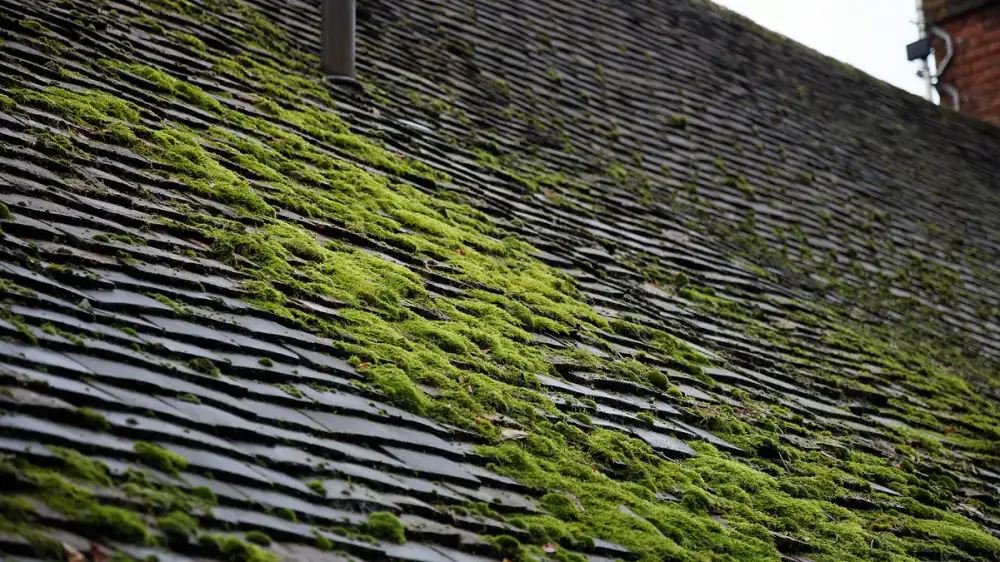
Moss takes hold on shaded, damp roof sections and holds moisture against the shingles — but removing it from the roof is risky work for a professional.

Efflorescence: The White Residue on Brick
The white powder on brick is efflorescence — mineral salts drawn to the surface by moisture moving through the masonry and left behind as water evaporates.