Eaves and Condensation: Telling It Apart From a Leak
Damp, dripping or stained eaves don't always mean a roof leak. Condensation from warm, moist attic air can mimic a leak — and the fix is usually ventilation, not roofing.
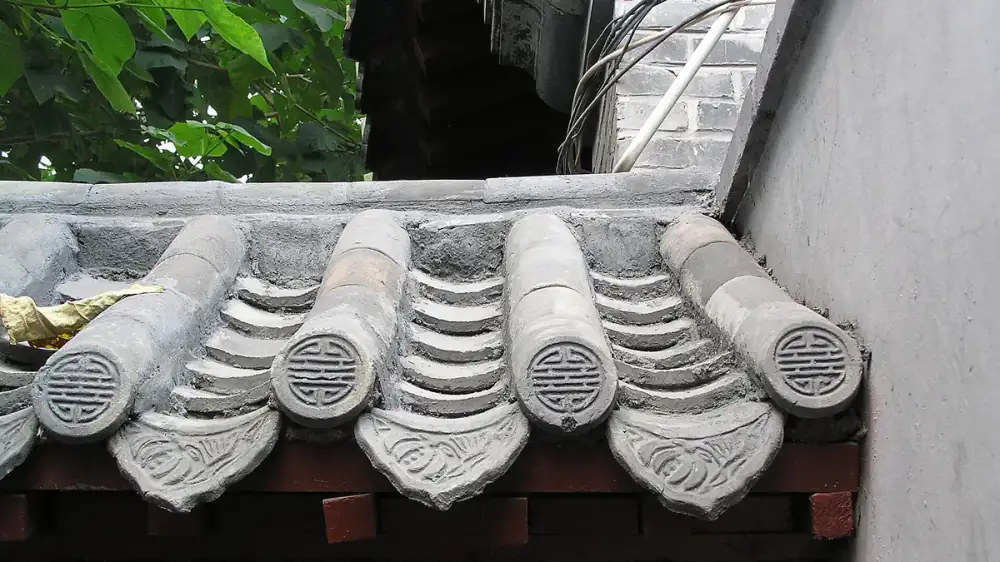
Damp eaves don't automatically mean the roof is leaking. Condensation happens when warm, humid indoor air reaches the cold roof structure at the edge and drops its moisture onto the sheathing, soffit and fascia. The tell is what the wetness follows: a leak tracks the rain, condensation tracks the temperature — showing up as film, frost or scattered droplets on cold mornings. And the cure usually isn't roofing. It's better attic ventilation and less moisture in the house.
The first instinct when water shows up at the eaves is almost always the same: the roof is leaking. Sometimes that instinct is right, and calling a roofer is exactly the move. But a surprising share of the dampness, staining, and even active dripping that appears at the roof edge never came from the sky at all. It started as humid air inside the house and turned to water on the cold surfaces at the edge. Which of the two you're facing changes the whole repair — and the wrong diagnosis means paying to fix a roof that was never the problem.
The catch is that once the wood is stained and softening, condensation and a leak look nearly identical. The trick is to read the moisture before it gets there, by paying attention to how, when, and where it turns up.
The bit of physics that fools everyone
Air carries water vapor, and warm air carries more of it than cold air. Push warm, humid air against a surface cold enough to chill it below its dew point, and that vapor gives up and turns back into liquid. It's the fog on a bathroom mirror and the beads on a cold glass in summer — ordinary, unavoidable, and completely indifferent to whether your roof is sound.
In winter, the coldest surfaces up top sit right at the edge: the underside of the sheathing, the rafter tails, the soffit, the fascia. When humid air from the living space drifts up into the attic and reaches that chilled edge, the moisture condenses on the spot. Over a cold night it can build into frost; when the day warms, the frost melts and drips — a near-perfect impression of a leak. The humidity feeding all this comes from everyday life: cooking, showers, laundry, even breathing, plus any bathroom or kitchen fan that dumps its warm, wet air into the attic instead of outdoors.
When the wetness shows up is the real evidence
The single most reliable clue is timing. A leak follows rainfall; condensation follows temperature. Watch the pattern rather than the puddle.
| Clue | Points to condensation | Points to a leak |
|---|---|---|
| Timing | Worst on cold mornings; shows up in dry spells | Appears or worsens after rain or snowmelt |
| Appearance | Broad film, frost, or scattered droplets on cold surfaces | Defined stain, streak or steady drip |
| Location | General, across cold surfaces near the edge | Traces up to a specific point above |
| Season | Common in cold weather with warm interiors | Any time it rains |
| Interior humidity | Often paired with foggy windows, damp air | Not necessarily related to indoor humidity |
If you can, study the eaves during a dry, cold stretch. Moisture that appears with no rain for days is almost certainly condensation. Moisture that only turns up after a storm and traces to one defined path is far more likely a genuine leak.
Follow the airflow, not the roof
Condensation at the eaves is really a ventilation story. A well-vented roof draws cool, dry outside air in low at the soffits and pushes warm, moist air out high near the ridge. That slow, steady current sweeps humid air out of the attic before it can settle onto cold wood.
Choke that airflow — insulation stuffed over the soffit vents, vents painted shut, no exhaust path at the peak — and the humid air stalls. It drifts to the cold edge, condenses, and the eaves absorb the damage. That's why the fix so often lives up in the attic and at the vents rather than on the roof surface. Our guide to soffit ventilation covers the intake side, and roofline and attic ventilation explains how the whole system is meant to stay in balance.
The signals that mean act now
Some damp is just a passing weather mood. These signs, though, point to a recurring moisture problem worth chasing down:
- Frost or ice in the attic near the eaves or on the underside of the sheathing in cold weather.
- Water dripping from the sheathing or rafters as that frost melts — classically on the first warm afternoon after a hard, cold night.
- Damp or discolored insulation around the edges of the attic.
- Paint that keeps peeling or blistering on the fascia and soffit no matter how often it's redone.
- A musty smell in the attic, hinting that moisture is lingering long enough for mold.
- Spreading dark stains on the soffits, which we cover in more depth in dark stains on the soffits.
- Soft or spongy wood at the fascia or soffit — a sign moisture has been present long enough to start fascia rot.
Where good intentions make it worse
Most condensation problems get worse because of well-meaning responses, not neglect. Calling every damp eave a leak sends a roofer to fix something a ventilation contractor should handle — the roof gets "repaired" and the condensation rolls right on. Wiping the moisture away treats the symptom while the humid air and cold surfaces stay exactly as they were. Sealing the soffit vents to stop a perceived draft is the most self-defeating move of all: it removes the intake that carries moist air out, so the moisture simply pools against cold wood. Venting a bathroom or kitchen fan into the attic pipes warm, wet air straight to the spot most likely to condense it. And adding insulation over already-blocked vents traps humid air rather than releasing it. One more to resist: wrapping a damp fascia in aluminum to cover the staining seals the moisture against the wood and hides the rot advancing underneath.
Getting a straight diagnosis
Sorting condensation from a leak, and then correcting the ventilation behind it, usually means getting into the attic and onto the roof — work with real height and footing risks, best left to a professional rather than improvised on a cold morning. Bring one in when the dampness keeps returning, when you find frost, dripping, or musty smells in the attic, when the soffits are staining or the wood feels soft, or when you simply can't tell whether rain or humidity is the culprit. A pro can confirm the moisture path, check whether intake and exhaust are actually balanced, and tell you whether the damage has reached the point where the edge itself needs repair. To understand how the roof edge is meant to work as one system before that visit, our roof edge overview is a good place to start.
Frequently asked questions
How do I know if my damp eaves are condensation or a leak?
Condensation tends to appear as a broad film of moisture, frost or scattered droplets across a cold surface, and it comes and goes with the weather — worse on cold mornings, gone by afternoon. A leak usually follows a path: it shows up in the same spot after rain, often as a defined stain, streak or drip that traces back to a specific point above. If the dampness tracks temperature rather than rainfall, condensation is the likely cause.
Why does condensation form at the eaves specifically?
The eaves are where warm, moist indoor air meets the coldest part of the roof structure. When humid attic air reaches the chilled sheathing, soffit or rafter tails near the edge, it cools below its dew point and the moisture condenses into water. Poor airflow lets that humid air linger at the edge instead of being carried out, so the eaves become the first place you notice it.
Can condensation really rot wood like a leak can?
Yes. Repeated condensation keeps the fascia, soffit and rafter tails damp, and wood that never fully dries eventually decays. The water may arrive differently than a leak, but the result at the edge can look the same — soft boards, peeling paint and rot. That's why chronic condensation is worth taking seriously rather than wiping away and forgetting.
Does adding ventilation fix condensation at the eaves?
Often, yes. Condensation at the eaves is usually a symptom of humid air with nowhere to go. Balanced intake at the soffit and exhaust near the ridge lets that moist air move through and out before it can settle on cold surfaces. Reducing indoor humidity sources helps too, but ventilation is typically the structural fix.
Should I just seal the soffit vents to stop the drafts and moisture?
No. Blocking soffit vents removes the intake side of the attic's airflow and usually makes condensation worse, not better. The vents aren't the source of the moisture; they're part of how it escapes. Sealing them traps humid air against cold wood, which is exactly the condition that produces condensation and rot.
Can I inspect for condensation myself?
You can safely check what's visible from the ground and, on a cold morning, look for frost, film or droplets on cold surfaces. Anything that involves entering the attic, going onto the roof or reaching the underside of the sheathing is better handled carefully or left to a professional, especially if you already see staining or soft wood at the edge.
When is condensation at the eaves an emergency?
Persistent condensation rarely needs an emergency call, but it does need attention before it becomes rot or mold. If you see widespread frost in the attic, water dripping from the sheathing, spreading dark stains on the soffits, or wood that's already soft, treat it as a priority and bring in a professional to diagnose the ventilation and moisture path.
Related guides
How Gutters Damage Fascia When They Overflow
Overflow sends water onto and behind the fascia, rotting the board and loosening hangers — then the gutter sags and overflows more. Here's the cascade and how to stop it.
Signs Soffits Have Moisture Damage
Staining, sagging, peeling paint, pests and mold under the eaves all signal soffit moisture damage. Here's what causes it and when to call a pro.
Water Stains Below the Roof Edge
Stains under the eave are a map of misdirected water — overflow, water behind the gutter, drip edge trouble, ice dams or condensation. Here's how to read them.