Gutter Apron vs Drip Edge: What's the Difference?
Gutter apron and drip edge are both roof-edge flashing, but their bends point in opposite directions — and that difference decides whether water lands in the gutter or behind it.
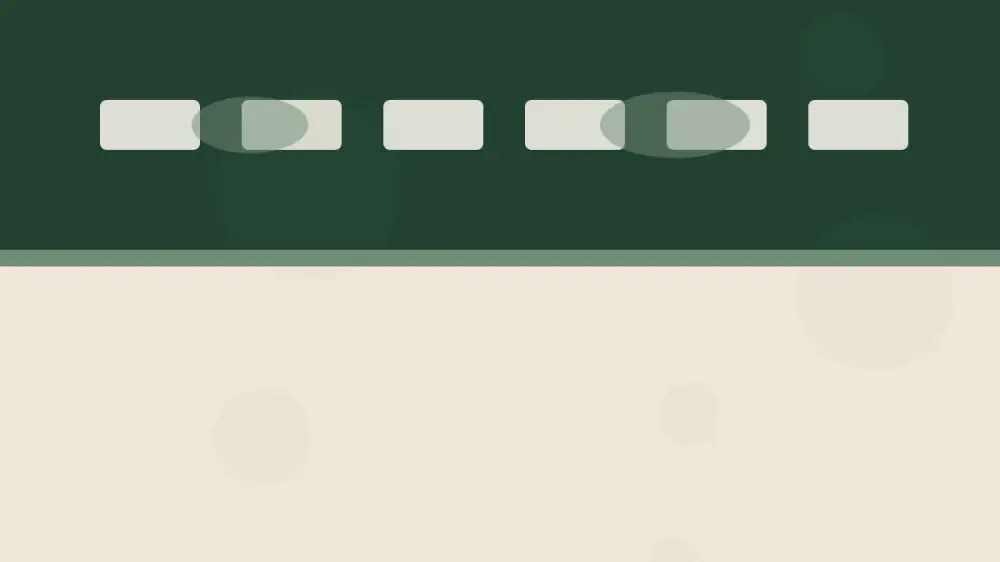
A drip edge and a gutter apron are both metal flashing at the roof edge, but their bends aim in opposite directions. A drip edge kicks water outward, away from the fascia; a gutter apron carries a longer leg back down over the fascia and into the gutter. When water keeps running behind the gutter despite clean troughs, an apron is often the fix a plain drip edge can't manage.
At the very lip of the roof, where the last shingle ends and the gutter begins, a thin strip of bent metal quietly decides where every gallon of runoff goes. Two versions of that strip get mixed up constantly — the drip edge and the gutter apron — because they mount in the same spot, come in the same colors, and both answer to the name "flashing." But they are bent to send water to different destinations, and that is the entire reason to tell them apart. If you've ever watched water sheet straight down the fascia during a storm while your gutters sat perfectly clean, this small difference is almost certainly the culprit.
One seam, two opposite bends
Both pieces install along the eave, tucked under the first course of shingles. Everything hinges on the bend at the bottom.
A drip edge finishes in a short lip that kicks outward, away from the house. That lip hands water a clean corner to break off from, so it drops instead of curling back under the roof by surface tension. For the full mechanism, see our guide to what a drip edge is and why it matters.
A gutter apron runs its lower leg the other way — longer, and bent back toward the house — so it hangs down over the top of the fascia and reaches into the back of the gutter. Rather than simply breaking water off at the edge, it physically escorts the runoff down into the trough.
The one-line version: a drip edge makes water let go at the right spot; a gutter apron carries it the rest of the way in.
Where each tends to live
Most roofs run some form of drip edge along both the eaves and the rakes — the sloped edges — because it's the all-purpose roof-edge flashing. The gutter apron is an eave specialist. It becomes the better choice, or a needed addition, when:
- the gutter sits low relative to the roof edge, leaving a gap water can jump;
- the fascia is tall or the roof edge overhangs, so a short drip edge lip ends above the gutter's back;
- water has a history of running behind the gutter even though the troughs are clean.
On many homes the two work as a pair in spirit: drip edge along the rakes, and an apron-style profile at the eaves where the gutters hang.
At a glance
| Feature | Drip edge | Gutter apron |
|---|---|---|
| Profile | Short lip kicks outward | Longer leg bends back toward house |
| Where water goes | Breaks off cleanly, drops down | Guided down into the back of the gutter |
| Primary location | Eaves and rakes | Eaves, above the gutter |
| Main job | Keep runoff off the fascia | Ensure runoff lands inside the gutter |
| Best for | General roof-edge protection | Stopping water that runs behind gutters |
The problem the apron actually solves
The signature failure at the roof edge is water running behind the gutter: runoff slips into the narrow space between the gutter and the fascia, soaks the wood, and never drains. Almost everyone blames the gutter first, assuming it's clogged or pitched wrong. Often the real trouble is upstream, in the flashing that stops short of the trough.
Here's the mechanism. A plain drip edge with a short outward lip can, on some roofs, release water into that narrow gap behind the gutter's back edge rather than into the channel — especially when the gutter hangs a bit low or the fascia is tall. The apron closes the gap outright, because its longer leg physically overlaps the back of the gutter. Water has nowhere left to go but into the trough. That's exactly why swapping in, or adding, a gutter apron is a standard professional cure for chronic water-behind-the-gutter that cleaning and re-pitching never quite solve. Left alone, the same water shows up as water stains below the roof edge and, over time, as fascia rot.
Reading the edge from the ground
You can catch most of the telltale signs from the yard or a stable ladder, without setting foot on the roof:
- water sheeting down the fascia during rain instead of pouring from the downspout;
- staining or streaking on the fascia below the roof edge;
- a visible gap between the roof-edge flashing and the back of the gutter;
- flashing that stops short — the metal lip ending above, not inside, the gutter;
- peeling paint on the fascia near the eave;
- soft or discolored wood at the fascia and soffit, a sign water has already been getting behind the edge.
A couple of cautions while you look. Don't assume any flashing is enough; a drip edge that stops short of the trough still lets water slip behind it, so the profile and its reach are what count. Don't fixate on the gutter, either — a clean, well-pitched gutter will still shed water behind itself if the water never makes it in, so trace the trouble back up to the edge. And resist treating an apron as something you can jam in from below, or covering a wet fascia with aluminum to hide the staining; the first traps water, the second buries advancing rot.
Leaving the metalwork to a roofer
Roof-edge flashing sits where the shingles, underlayment, fascia, and gutter all meet, so getting it right nearly always means working at the roof edge — ladders, heights, and lifted shingle courses, which is a roofer's territory, not a from-the-ground fix. Call one when water runs behind the gutter despite clean troughs, when the fascia is already stained, soft, or peeling, when you can see flashing that stops short of the gutter, or when correcting it would mean lifting shingles or climbing onto the roof. A pro can confirm whether you have a drip edge, a gutter apron, or neither, install the profile the edge actually needs, and check whether water has already reached the fascia or deck. To see how these pieces fit the larger picture, read how the roof edge works together.
Questions homeowners ask
What is the main difference between a gutter apron and a drip edge?
Both are metal flashing installed at the roof edge, but their profiles point in opposite directions. A standard drip edge has a lower lip that kicks outward, away from the fascia, to break water off cleanly. A gutter apron has a longer leg that bends back toward the house, so it reaches down over the fascia and directs water into the back of the gutter. The apron is essentially a drip edge shaped to guarantee water lands in the trough.
Do I need both a gutter apron and a drip edge?
Usually you have one or the other at the eave, not both. Many roofs use a standard drip edge, and where the gutter sits low or far from the roof edge, a gutter apron is added or substituted so runoff can't sneak behind the trough. What matters is that the flashing at the eave carries water into the gutter rather than onto the fascia.
Why does water run behind my gutter even though I have flashing?
Often the flashing is a short drip edge that stops above the gutter's back edge, leaving a gap where water can wick back onto the fascia. A gutter apron closes that gap because its longer leg extends down into the trough. Clogged gutters, a missing kick-out, or flashing tucked on the wrong side of the gutter can produce the same symptom.
Can I add a gutter apron to an existing roof?
Sometimes, but it is not a simple slip-in fix. Apron flashing needs to tuck under the first course of shingles and sit correctly over the back of the gutter, which usually means lifting shingle edges and coordinating with the underlayment. It is best handled by a roofing professional who can confirm it integrates with the existing drip edge and underlayment.
Is a gutter apron the same thing as a drip edge?
No, though they are close relatives and the terms are often confused. A drip edge is the general roof-edge flashing at eaves and rakes. A gutter apron is a specific profile designed for the eave that hangs down over the fascia and into the gutter. Every apron does a drip edge's job, but not every drip edge reaches into the gutter the way an apron does.
When should I call a professional about roof-edge flashing?
Call a pro when water runs behind the gutter despite clean troughs, when the fascia below the edge is stained, soft, or peeling, when you can see flashing that stops short of the gutter, or when correcting it means lifting shingles or working on the roof. A roofer can identify which flashing is installed and whether water has already reached the fascia or deck.
Related guides
How Gutters Damage Fascia When They Overflow
Overflow sends water onto and behind the fascia, rotting the board and loosening hangers — then the gutter sags and overflows more. Here's the cascade and how to stop it.
Signs Soffits Have Moisture Damage
Staining, sagging, peeling paint, pests and mold under the eaves all signal soffit moisture damage. Here's what causes it and when to call a pro.
Water Stains Below the Roof Edge
Stains under the eave are a map of misdirected water — overflow, water behind the gutter, drip edge trouble, ice dams or condensation. Here's how to read them.