Rake Edge vs Eave Edge: What's the Difference
The rake and the eave are both roof edges, but water treats them very differently. Here's how each one works and why the distinction matters for your walls.
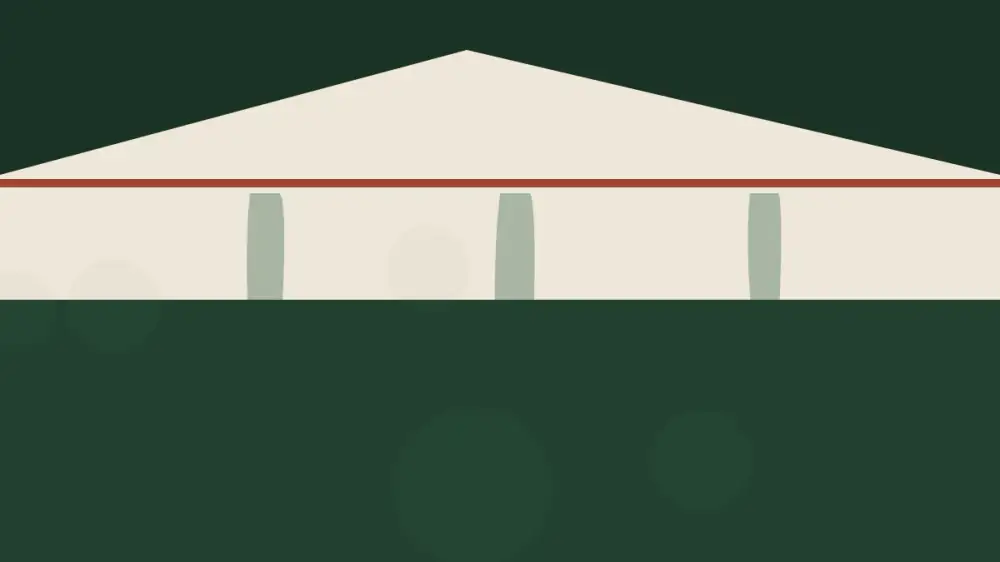
The eave is the horizontal lower edge of the roof, where the gutters hang and most runoff leaves the roof. The rake is the sloped edge of a gable, running up the incline to the ridge. Gravity funnels water to the eave, so it carries the heavy volume; the rake sheds far less but faces wind-driven rain with no gutter to catch it. Both need protection — just of different kinds.
Stand at the corner of a gabled house and look up, and you can see both roof edges meeting at a single point. One runs off level to your left or right, carrying the gutter. The other climbs away from you at an angle, up toward the peak. They look like two halves of the same trim, but they are answering two different questions about where rainwater goes — and the answers shape everything from why gutters hang where they do to which boards tend to rot first.
Roofers have names for both. The level one is the eave; the sloped one is the rake. Getting comfortable with the pair is worth the two minutes it takes, because almost every roof-edge decision downstream depends on knowing which edge you're talking about.
The eave: the bottom of the hill
Think of a sloped roof as a hillside. Water lands anywhere on it and does the only thing water does — heads downhill. The eave is where that hill ends: the low, horizontal edge that overhangs the wall. By the time runoff reaches it, the whole slope above has funneled its rain toward that one line. This is the busy edge, and it is no accident that the gutters live here. You hang a trough where the water actually arrives.
The make-or-break detail at the eave is the handoff from roof to gutter. A drip edge tucks under the first course of shingles and projects out past the fascia, giving runoff a clean lower lip to fall from so it drops into the trough instead of curling back against the wood by surface tension. When that handoff is missing or too short, you get the familiar complaint of water running behind the gutter and soaking the fascia it was supposed to fall clear of.
The eave is also where the soffit closes off the underside of the overhang, which ties this edge to attic airflow as well as drainage. Between the volume of water it handles and the number of parts crowded into it, the eave is where a roof shows most of its water-related wear.
The rake: dry-looking, and quietly exposed
Now follow the sloped edge up toward the peak. The rake is one of the two lines that frame the triangle of a gable end. Because it runs on the incline, water never piles up against it the way it does at the eave. Most rain simply sheds sideways off the slope and is gone before it ever reaches the rake in any quantity.
That low volume is exactly what makes the rake easy to neglect — and occasionally the reason it fails. The rake has no gutter as a backstop, and it sits full in the path of wind-driven rain sweeping across the gable. So while the total amount of water is small, what does hit it can be driven hard against the trim and into any open joint. A rake edge can look untroubled for years and then reveal rot, because a slow leak at an exposed seam had nowhere obvious to announce itself.
Protection reflects that difference. At the rake, drip edge usually sits over the underlayment and throws water outward, away from the rake board, rather than tucking under shingles to feed a gutter. The trim itself — the rake board, sometimes called a barge board — is there to shed wind-blown water off the gable, not to channel a stream. Same family of parts, different assignment.
Same parts, different job — side by side
| Feature | Eave edge | Rake edge |
|---|---|---|
| Orientation | Horizontal, along the bottom of the slope | Sloped, running up the gable to the ridge |
| Water volume | High — gravity funnels runoff here | Low — most water sheds sideways off the slope |
| Gutter | Yes, gutters hang on the eave | Usually none |
| Main water threat | Runoff wicking back onto the fascia | Wind-driven rain against the trim |
| Drip edge detail | Tucks under shingles, over the fascia | Sits over the underlayment, throws water outward |
| Common failure | Fascia rot, water behind the gutter | Streaked gable trim, rot in the rake board |
The pattern to take from the table is that these edges fail for opposite reasons. The eave's problem is quantity moving downhill; the rake's is direction, wind pushing sideways with no gutter to catch the overflow. Solve one and you have said nothing about the other. A pristine eave is no guarantee your rakes are sound, and a clean rake tells you nothing about what's happening behind the gutter.
Reading each edge from the yard
Because the two edges misbehave differently, you learn to look for different things — and nearly all of it can be checked from the ground or a stable ladder, without stepping onto the roof itself.
Along the eave, watch during a downpour for water sheeting behind the gutter rather than into it. On a dry day, look for stained or peeling paint on the fascia, shingle edges sitting over bare wood with no metal lip beneath them, and any fascia or soffit that looks soft, dark, or swollen. Most of that traces back to a failing drip edge and points toward eventual fascia rot.
Along the rake, the tells are vertical: streaking running down the gable trim, gaps opening where the rake board meets the wall or the eave corner, cupped or swollen boards, and any wood that has gone soft. Since there is no gutter here, water that slips behind the trim runs down the gable wall and often surfaces as staining lower than you'd expect.
Where the yard view leaves you unsure, resist the urge to go up and find out. Flashing repairs, lifting shingles, and anything that means putting weight on a possibly weakened edge are a roofer's job — the safe move is a closer look from the ground first and a professional for the rest. Our walkthrough on inspecting the roof edge from the ground covers what to look for without leaving the lawn, and the wider view in how the roof edge works together shows how the rake and eave fit into one connected system.
Answers to common questions
What is the difference between a rake edge and an eave edge?
The eave is the horizontal lower edge of the roof — the side where the gutters hang and where most runoff leaves the roof. The rake is the sloped edge of a gable, running up the incline from the eave to the ridge. In short, the eave runs level and the rake runs on the slope, and water behaves very differently at each.
Which edge carries more water, the rake or the eave?
The eave. Because it sits at the bottom of the slope, gravity funnels the roof's runoff toward the eave, which is why gutters are hung there. The rake runs up the incline and mostly sheds water sideways off the gable, so it handles far less volume — but wind-driven rain can still push water against it.
Do both the rake and the eave need drip edge?
Yes, most roofs benefit from drip edge at both, but it is installed differently at each. At the eave, the drip edge tucks under the shingles so runoff drops into the gutter. At the rake, it typically sits over the underlayment to throw water away from the rake board. The goal is the same at both edges: keep water off the wood.
Why does the rake edge matter if it carries less water?
Because it is exposed to wind-driven rain and to water blowing sideways off the gable, and it often lacks a gutter to catch anything. If the rake trim or flashing fails, water can run down the gable wall and behind the trim. A neglected rake edge tends to show rot and staining even though it sees less total volume than the eave.
How can I tell my eave edge from my rake edge?
Find the gutters — they hang on the eaves, the horizontal edges. Then look at a gable end, where the roof forms a triangle; the two sloped edges climbing from the corners up to the peak are the rakes. If an edge runs level it is an eave; if it runs up the slope it is a rake.
What are the signs of trouble at the rake or eave?
At the eave, watch for water running behind the gutter, stained or peeling fascia, and shingle edges over bare wood. At the rake, watch for streaking down the gable trim, gaps where the trim meets the wall, and soft or discolored rake boards. Both call for a closer look, and both are checkable from the ground.
Who should look at a failing roof edge?
A roofer, once the fix goes beyond looking. Bring one in when flashing looks missing or short, when the fascia or rake board is stained, soft, or pulling away, or when correcting it would mean lifting shingles or climbing onto the roof. They can confirm what is installed at each edge, correct it, and check whether water has already reached the wood behind it.
How Gutters Damage Fascia When They Overflow
Overflow sends water onto and behind the fascia, rotting the board and loosening hangers — then the gutter sags and overflows more. Here's the cascade and how to stop it.
Signs Soffits Have Moisture Damage
Staining, sagging, peeling paint, pests and mold under the eaves all signal soffit moisture damage. Here's what causes it and when to call a pro.
Water Stains Below the Roof Edge
Stains under the eave are a map of misdirected water — overflow, water behind the gutter, drip edge trouble, ice dams or condensation. Here's how to read them.