Exterior Maintenance for Older Homes
Older homes reward care and punish neglect. Aged gutters, older mortar, layered paint and dated drainage all need a gentler, more attentive hand — here's what to watch and how.

An older home wants the same maintenance as any house, done with a lighter touch and a closer eye. Its gutters, mortar, paint and drainage have been working for decades, so they wear sooner and forgive mistakes less. Put water management first, clean at the gentlest pressure that works rather than the strongest you own, and hand masonry, worn-out gutters and any height work to someone who knows old buildings.
The difference between maintaining an older house and a newer one is not really the list of tasks — it is the disposition you bring to them. On a new home the materials are forgiving; you can be a little rough and get away with it. On a home with decades behind it, the mortar has softened, the wood trim has weathered thin, the paint sits in brittle layers, and the drainage was laid out for a yard that has since settled and shifted. The same pressure washer, the same impatient patch, the same "that'll hold" does real damage. So the governing idea here is simple: gentle beats aggressive, and attentive beats occasional.
Why age changes the rules
It is worth naming what actually happens to a house over forty or eighty years, because it explains every recommendation that follows. Water has been running off the roof and through the gutters the entire time, finding and enlarging every weak seam. Freeze-thaw cycles have worked at the mortar joints winter after winter. Sun and rain have thinned the paint that protects the wood. And the ground has quietly settled, so grading that once shed water away from the foundation may now steer it toward the wall. None of this is a crisis. It simply means the margin for error is thinner than it is on new construction, and that a small, regular intervention beats a big, forceful one nearly every time.
Follow the water first
On an older home, water management earns top billing, because decades of runoff have already located the weak points for you. Start with the gutters, read from the ground: look for runs that sag or tilt, hangers that have let go, and sections pulling away from the fascia. Widespread rust, seams that keep separating after you reseat them, and overflow that a good cleaning no longer cures are all signs the system is near the end of its service life rather than merely dirty.
Follow the water down and out. Confirm the downspouts are connected and actually carry runoff several feet from the wall, then walk the perimeter looking for ground that now slopes back toward the foundation, for pooling after rain, and for the erosion channels that mark where water lands too close. Indoors, a musty smell or fresh staining on a basement or crawl-space wall often points straight back to a drainage problem outside. A structured version of this walk-through lives in the annual gutter inspection checklist.
Aged gutters and the wood behind them
Old gutters and the fascia they hang from tend to fail as a pair, so inspect them together. Metal gutters show their age as rust and corrosion; any run rusts fastest at the low spots where water sits. Behind the gutter, check the fascia board for peeling paint, dark streaks and, most tellingly, wood that feels soft or spongy — the classic sign that overflow has been soaking it for some time.
There comes a point where patching is no longer honest. When seals stop holding, when the pitch cannot be corrected, or when the fascia itself has rotted, replacement is the answer rather than another round of repair — and if the fascia is gone, both usually need doing at once. That is a professional's call and a professional's job, both for the height and for the carpentry that comes with it.
The mortar that holds masonry together
Brick and stone walls do not rely on the brick or the stone to keep water out — they rely on the mortar in the joints, and mortar weathers. On an older wall, look for joints that are cracked, crumbling or missing outright, and learn two telltale signs: spalling, where the masonry surface flakes and pops off, and efflorescence, the white powdery bloom that appears when moisture has been moving through the wall. Cracks that visibly widen from one winter to the next are freeze-thaw at work, prying the opening wider each cycle.
Renewing mortar, called repointing, is genuinely specialized on an older building, because the mortar type has to match the wall — a modern, harder mix can trap moisture and damage soft historic brick worse than the crack ever would. This is not a place for a first attempt. Find someone who works on older masonry and let them assess it.
Paint as protection, not decoration
On an old wood house the paint is doing a job, not just looking nice: it is the skin that keeps water out of aging trim and siding. So treat peeling, cracking and bare spots as breaches to close rather than cosmetic annoyances to ignore, and pay special attention to the fascia, soffits and window trim, where water actually lands and lingers.
Be careful about how you remove old paint. Layers built up over many years can be brittle and can create real dust and debris when disturbed, so favor gentle preparation and get a professional's read before you strip anything on trim or siding you want to keep. Maintaining the coating before bare wood shows is far cheaper than the rot repair that follows once it does.
Clean at the gentlest pressure that works
This is the theme underneath all the rest, so it deserves its own word. The instinct to reach for maximum pressure is exactly wrong on an older home. High-pressure washing erodes soft old mortar, strips weathered wood, and drives water behind siding and trim that no longer seals the way it once did. Choose the gentlest effective method instead — usually a low-pressure soft wash or plain hand cleaning — and always test it on an inconspicuous patch first.
Shaded, damp older walls grow algae readily, and the temptation is to blast it off in one go. Resist that; a gentle wash kept up on a regular rhythm accomplishes the same thing without the collateral damage. The pressure washing vs soft washing comparison lays out the trade-offs, and how to remove algae from exterior walls covers the method itself.
A workable rhythm — and where to stop
Pull it into a routine you can actually repeat: read the gutters for sag, rust, separated seams and overflow; check the fascia and soffits behind and above them for rot and staining; examine mortar for cracking, crumbling, spalling and efflorescence; review the paint on trim, siding and eaves for peeling and bare spots; and reassess drainage and grading for water heading toward the foundation. Do all of it gently, matching the method to old and fragile materials.
Then know where your part ends. Masonry and mortar repair, aged-gutter replacement, rotted fascia and trim, and anything that needs roof access or a tall ladder belong to a professional — ideally one used to older buildings, who will keep well-meaning effort from doing more harm than the problem it was meant to fix. The ground-level looking and the gentle cleaning are yours; the specialized and the high work are not.
Questions homeowners ask
What exterior areas need the most attention on an older home?
Aged gutters and the fascia behind them, older mortar and masonry, layered paint, and dated or settled drainage tend to need the most attention. These are the systems that wear with age and that older homes often have in original or long-serving condition. Water management — gutters, downspouts and grading — is usually the highest priority, since decades of runoff reveal every weak point.
Why do older homes need gentler cleaning?
Age makes materials more fragile: mortar softens, wood trim weathers, older paint may be layered and brittle, and original siding can be delicate. High-pressure washing that a newer surface shrugs off can erode old mortar, strip soft wood and drive water behind aging materials. On older homes, the gentlest effective method — often low-pressure soft washing or hand cleaning — is almost always the right call.
How do I know if my older home's gutters need replacing?
From the ground, watch for runs that sag, tilt or pull away from the fascia, widespread rust or corrosion, repeated separated seams, and overflow that cleaning doesn't fix. Aged gutters often reach a point where repairs stop holding. If the fascia behind them is also soft or rotted, both usually need addressing together. A professional can advise whether repair or replacement makes sense.
Is cracked mortar on an old house serious?
It can be. Mortar joints are what keep water out of brick and stone walls, and older mortar naturally weathers and cracks over decades. Cracks let water in, which freeze-thaw cycles then widen. Repointing — renewing the mortar — is specialized work, and on older masonry the mortar type matters, so it's best assessed and done by a professional experienced with older buildings.
How should I handle old paint on an older home?
Watch for peeling, cracking and bare spots that let water into the wood beneath, and plan to maintain the protective layer. Be cautious with aggressive removal methods: older paint layers can be brittle and disturbing them creates dust and debris. Gentle preparation and a professional's guidance are wise, especially on older trim and siding you want to preserve.
When should I call a professional for an older home's exterior?
Call a pro for masonry and mortar repair, aged-gutter replacement, rotted fascia or trim, and anything needing roof access or a tall ladder. Older homes often have systems near the end of their service life and materials that need specialized handling, so an experienced professional prevents well-meaning DIY from causing damage. Ground-level observation and gentle cleaning you can often do yourself.
Related guides
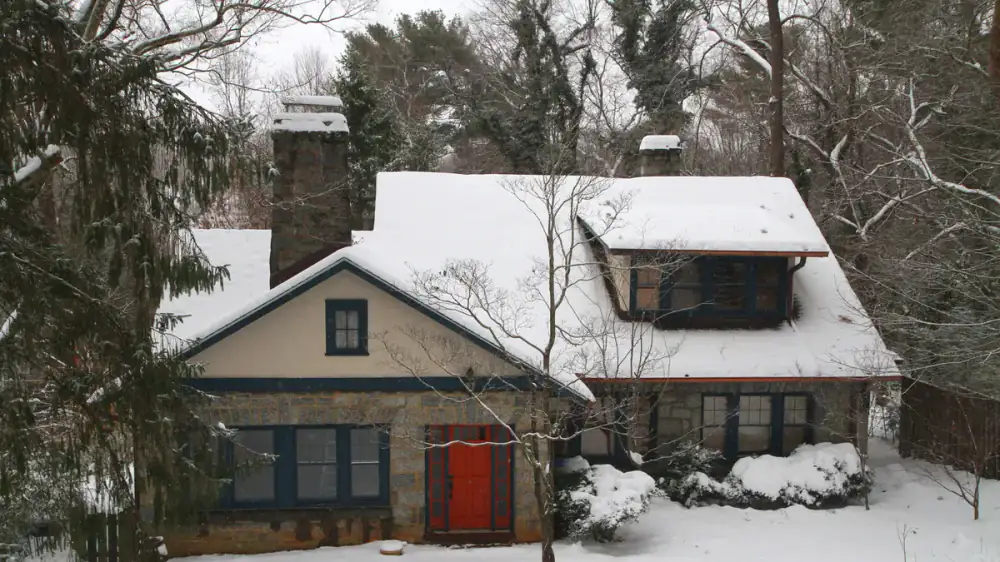
Winter Exterior Home Maintenance Checklist
A grouped, printable winter checklist for snow, ice, frozen gutters and storm damage — built entirely around safe, ground-level observation and knowing when to call a pro.
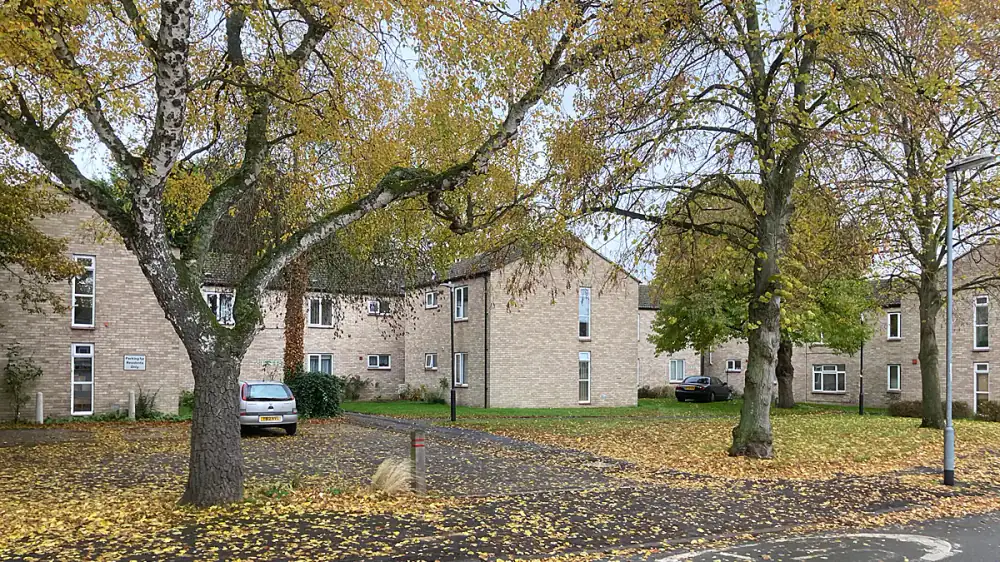
Autumn Exterior Home Maintenance Checklist
A grouped, printable fall checklist for leaves, pine needles, gutter guards, downspouts, roof edge and freeze prep — with an emphasis on safe, ground-level work.
Post-Storm Exterior Inspection Checklist
A grouped, printable checklist for post-storm home exteriors, focused on safe ground-level observation and knowing when to call a roofing professional.