Late-Winter Exterior Checkup
The tail end of winter is when ice, loosened gutters and freeze-thaw damage show most clearly. This ground-level checkup helps you spot trouble safely, before the thaw.
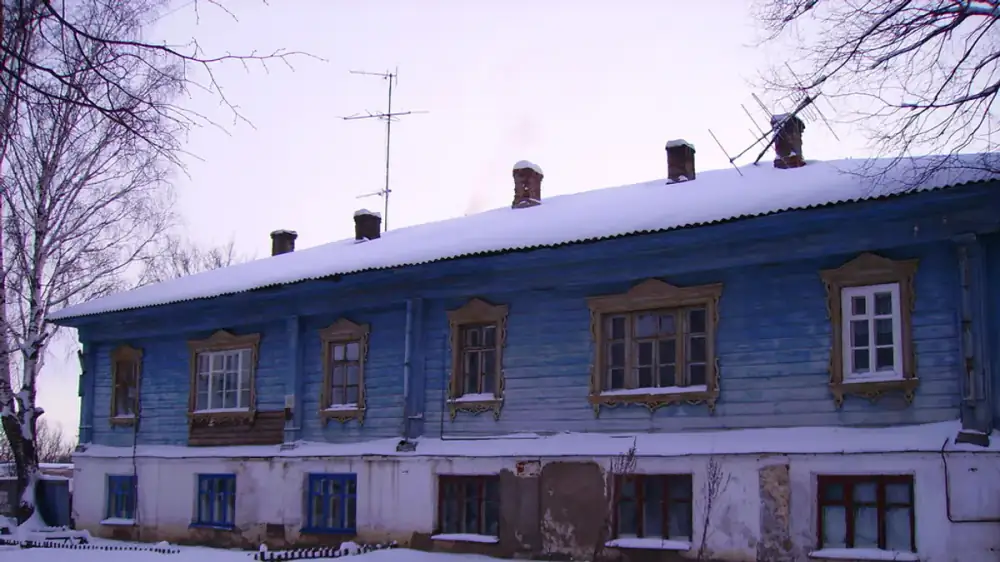
A late-winter checkup is a ground-level walk-around in the final weeks of the cold season: look for lingering ice and icicles at the roof edge, gutter runs that snow and ice have loosened or pulled from the fascia, and freeze-thaw cracks in concrete, masonry and caulk. Do not climb onto icy roofs or ladders, and never knock ice down by hand. When you find heavy ice, ice dams or loose gutters, call a professional.
There is a particular week toward the end of winter when the house has stopped fighting the cold and started to show its scars. The heaviest storms are behind you, but the full thaw has not arrived, so the evidence is still frozen in place: where the ice piled up, which gutter sagged under it, which corner of the driveway split a little wider than last year. This is the most honest the exterior gets all year, and it rewards a slow, deliberate look before spring rain washes the story away.
Everything worth seeing right now can be seen with both feet on the ground. That is not a limitation; it is the point. Late-winter surfaces are the coldest and slickest they will be all season, and a ladder set on frozen soil or an icy step is exactly the wrong tool for a job that is really just observation. Wait for a calm, dry morning, take a pair of binoculars, and walk one unhurried lap.
Reading the ice while it is still there
Ice is the whole reason late winter deserves its own checkup. Long after the snow melts off the lawn, it lingers where the roof and gutters meet, and how it sits there tells you a great deal.
Sweep the roof edge slowly with binoculars. Heavy ice riding on the gutter, a thick fringe of large icicles, or a band of ice that has crept up onto the shingles above the gutter all point to the same thing: meltwater backing up instead of draining, which is the signature of an ice dam. Note where the ice reforms day after day too, because those spots, usually downspout outlets and shaded, north-facing walls, are where spring meltwater will concentrate.
What you do with what you see matters as much as the looking. Stay out from under heavy icicles, which drop without warning as the day warms. And resist the urge to help the ice along. Chipping, hammering, or knocking icicles down cracks gutters and shingles and puts you under falling weight; ice thaws on its own, and persistent, heavy ice is a cue to call a professional, not a weekend project. If you want to understand why the ice behaves this way, how snow and ice damage gutters and the warning signs of ice dams forming at the roof edge are worth a read before the thaw.
Where the gutters gave a little
A gutter carries a surprising amount of dead weight through winter, snow packed in the trough, ice frozen to the metal, and all of it hangs off the same fasteners that were fine in October. By late winter, some of them have quietly let go.
Sight down each run the way you would sight down a rifle barrel, looking for the dip or wave that means a hanger has pulled loose. Watch for sections that have tilted away from the wall or separated from the fascia outright, and for fresh gaps at seams and corners that freeze-thaw worked open over the season. Staining behind or below a gutter is a subtler tell; it means water has been escaping where it should not. The clearest evidence of all comes on the first mild day, when the trapped ice finally melts and you can see whether the run drains cleanly or spills where it never used to.
If a run looks loose, sagging, or separated, the fix belongs to a professional and, honestly, to better weather. Your job now is to describe it accurately, and how to inspect the roof edge from the ground covers what to note down.
The slow damage: freeze-thaw on walls and hardscape
Freeze-thaw is patient. Water finds a hairline gap, freezes, expands, and pries it a fraction wider; multiply that by a whole winter of cold nights and warm afternoons, and by now the gaps are visible.
Walk each wall and look at the caulk first, around windows, doors, and any penetration, because lifted or cracked caulk is where wind-driven snow and, soon, rain get in. Then look lower. Concrete driveways, steps, and walkways show new cracks, spalling where the surface has flaked away, and heaving where the slab lifted. Brick, masonry, and the foundation itself develop fresh cracks and crumbling mortar. And on the shaded, damp faces of the house, moss and algae take hold; note those not only as a cosmetic issue but as a footing hazard, since they turn slick underfoot.
None of this needs fixing today. Most of it cannot be fixed well in the cold anyway. Mark it and let it wait for a dry, warmer stretch.
A preview of where spring water will go
The last thing to check is drainage, because late winter is a dress rehearsal for spring. On a mild afternoon, when the melt is running, watch where it actually goes.
Confirm the downspouts and their extensions are not buried in ice and are still aimed away from the foundation. Look for meltwater pooling against the wall or ground that has gone soft and saturated. Check that window wells and yard drains are open enough to let the melt escape rather than back up. And step inside for a moment, too, checking basement and crawl-space walls for new dampness, staining, or a musty smell that says water is already finding a way in. If ice has rerouted the usual runoff so it now sheets toward the house, that is the single most useful thing this checkup can catch.
Turning the walk into a plan
By the end of the lap you will have a mixed list, and the value is in sorting it. Put anything that moves water at the top, a loose gutter, a downspout locked in ice, a run that spills toward the foundation, because every one of those will feed new damage the moment the thaw arrives in earnest. Cosmetic cracks and tired paint drop to the bottom; they will still be there when the weather is fit to fix them.
Then be conservative about your own line. Roof access, snow or ice removal, heavy or stubborn icicles, ice dams, and loose or separated gutters all belong with a professional who has the training and the equipment; from the ground you can spot them and describe them, and that is enough. Use the coming melt as your deadline. When it begins in earnest, the early-spring thaw inspection picks up where this leaves off, and the winter exterior maintenance checklist frames the whole season. A short call now costs far less than a fall on the ice or a leak left to spread.
Frequently asked questions
What is a late-winter exterior checkup?
It is a short walk-around done in the last weeks of winter, before the full thaw, to see how the outside of your house held up. From the ground you look for lingering ice at the roof edge, gutters that snow or ice has pulled loose, and cracks or gaps opened by repeated freeze-thaw. Catching these now lets you plan repairs before spring rain tests every seam.
How much of this can I check without a ladder?
Nearly all of it. Ice buildup, icicles, sagging gutter runs, meltwater pooling at the foundation, and cracks in concrete and caulk are all visible from the ground, often better with binoculars. Late winter leaves surfaces icy and cold, so keep both feet down and hand any roof access or tall-ladder work to a professional.
Why do gutters loosen over winter?
Snow load and trapped ice add real weight to a gutter, and that weight tugs on the hangers that hold it to the fascia. Freeze-thaw also works at the fasteners as water seeps in, freezes and expands. By late winter you may see a run that dips, pulls away from the wall, or shows a new gap behind it. Note it now and confirm it in the first spring rain.
Should I knock ice or icicles off my gutters?
No. Chipping at ice can crack gutters and shingles, and knocking icicles down from a ladder is a serious fall and impact hazard. Keep clear of the area beneath heavy icicles, let ice thaw on its own, and treat persistent, heavy ice as a sign to call a professional rather than a project to tackle yourself.
What is freeze-thaw damage and where does it show up?
Freeze-thaw is the repeated cycle of water seeping into a small gap, freezing, expanding, then melting. Each cycle pries the gap a little wider. By late winter it shows as new cracks in concrete and masonry, opened caulk around windows and doors, loosened gutter seams, and spalling on driveways and steps. These are the spots to mark for spring repair.
When in late winter should I do this checkup?
Pick a calm, dry day once the worst storms have passed but before the ground fully thaws. That timing lets you see lingering ice and where it forms, while snow patterns still show how water and ice moved over the season. Avoid doing it during active ice or high wind, when footing outside is poor.
What should I do with the problems I find?
Group them by urgency. Anything that moves water in the coming thaw, such as a loose gutter or a downspout buried in ice, matters most because it will feed new damage. Cosmetic cracks and paint can wait for warmer, drier weather. For loose gutters, ice dams or roof-edge damage, line up a professional before the spring rains settle in.
You might also like
Winter Exterior Home Maintenance Checklist
A grouped, printable winter checklist for snow, ice, frozen gutters and storm damage — built entirely around safe, ground-level observation and knowing when to call a pro.
Autumn Exterior Home Maintenance Checklist
A grouped, printable fall checklist for leaves, pine needles, gutter guards, downspouts, roof edge and freeze prep — with an emphasis on safe, ground-level work.
Post-Storm Exterior Inspection Checklist
A grouped, printable checklist for post-storm home exteriors, focused on safe ground-level observation and knowing when to call a roofing professional.