Creosote and Why Chimney Cleaning Matters
Creosote is the tar-like residue that builds up inside a flue as wood burns. Left alone it fuels chimney fires — which is exactly why a professional sweep is worth it.
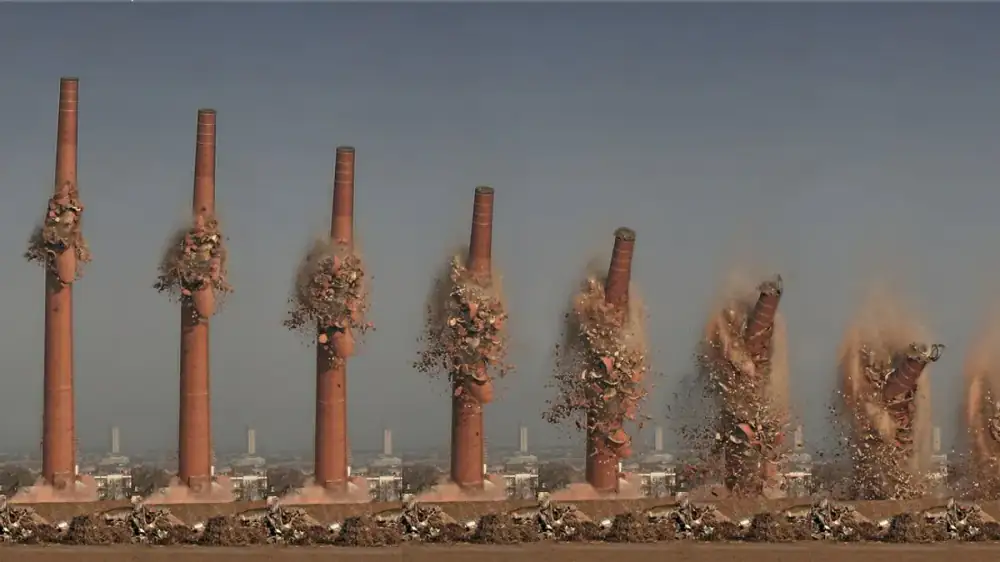
Creosote is the dark, tar-like, flammable residue that builds up inside a chimney flue as wood burns. Left to accumulate, it becomes the main fuel for chimney fires and can restrict the flue and hurt draft. Assessing and removing it is a job for a qualified chimney sweep — it takes the right access, tools, and trained judgment, and is not a homeowner project.
A wood fire is never quite as clean as it looks. Flames consume most of what you feed them, but not all — and the fraction that escapes up the flue as smoke doesn't simply vanish into the sky. Some of it stays behind, coating the inside of the chimney a little more with every fire. That accumulating deposit has a name, creosote, and it is the single biggest reason chimneys need regular professional attention. The good part is that you can understand the whole risk, and act on it responsibly, without ever climbing toward the flue.
What the smoke leaves behind
Wood doesn't burn perfectly. The smoke rising off a fire carries unburned particles, water vapor, and various gases up the chimney together. As that warm mixture travels upward and meets the cooler walls near the top of the flue, part of it cools, condenses, and clings. What sticks is creosote.
The rate it forms is not fixed — it tracks how the chimney is used. Wood that hasn't fully seasoned, fires damped down to smolder slowly for hours, and a flue that never really warms up all tip the balance toward more deposit, because each gives unburned material a better chance to condense before it clears the top. Two households burning in the same model of fireplace can end up with very different amounts on the walls, which is a large part of why guessing at buildup is unreliable and a professional look is the only dependable way to know.
The same residue wears three faces
Creosote is not one substance so much as one process caught at different stages, and it helps to know the forms because a sweep treats them differently:
- Light and flaky. Early on it can look like a dark, sooty dust — the least stubborn stage.
- Sticky and tar-like. With more fires it thickens into a gummy coating that smears rather than brushes away.
- Hard and glazed. At its worst it bakes into a shiny, enamel-like crust that clings hard to the flue.
Different as they look, all three share the trait that makes the whole subject serious: because they come from wood, they burn.
Two quiet ways it turns dangerous
Creosote matters for two connected reasons, and both develop out of sight.
It is the fuel for chimney fires. A thick, dry layer can ignite from the ordinary heat of a normal fire in the firebox below. Once lit, it can burn ferociously inside the flue — hot enough to crack liners and, in the worst cases, to spread beyond the chimney into the house. Chimney fires are a well-documented hazard, and creosote is what feeds them.
It strangles the draft. As the coating thickens it narrows the passage smoke needs to escape. A restricted flue draws poorly, which pushes more smoke back into the room and interferes with the safe venting of combustion gases. Worse, a sluggish draft tends to make the fire burn dirtier, laying down still more creosote — a loop that quietly accelerates. By the time either problem is obvious from the living room, it has usually been building for a while.
Why a brush and a ladder aren't the answer
Clearing creosote isn't a matter of running a brush up the flue and hoping. It is skilled work, and it stays with a qualified chimney sweep for reasons that stack up:
| Reason | What it involves |
|---|---|
| Access | Working from the roof or firebox at the highest, least forgiving point of the house |
| Assessment | Judging how much buildup is present and whether it is flaky, sticky, or glazed |
| Inspection | Spotting cracked liners, damaged masonry, blockages, or a failing cap while cleaning |
| Technique | Removing hardened, glazed creosote that resists ordinary brushing without harming the flue |
This is why guidance across the trade lands in the same place: leave sweeping to the professionals. This article deliberately skips any step-by-step, because walking through it would only encourage the roof-and-flue work that should belong to someone trained and equipped for it.
The clues that reach you indoors
Your part isn't to clean the flue — it is to notice when it's time and pick up the phone. Most of the useful signals come to you without any climbing at all:
| What you notice | Where | What it may point to |
|---|---|---|
| Strong smoky or tarry smell | At the fireplace | Creosote buildup in the flue |
| More smoke entering the room | Indoors, while burning | Poor draft, possible restriction |
| Sluggish, hard-to-start fires | Indoors | Draft problems worth inspecting |
| Heavy dark staining near the cap | Ground level, binoculars | Byproduct buildup escaping the top |
| A season passed since last sweep | On the calendar | Time for a professional inspection |
Indoor smells and smoke behavior tend to be the earliest and clearest tells; a set of binoculars lets you glance at the cap and the top of the masonry without leaving the yard.
A couple of misreads are worth heading off. A tidy-looking firebox says nothing about the flue above it — creosote forms up where you can't see it from the room. And a chimney cap, useful as it is against rain, debris, and animals, does nothing about creosote forming inside from your own fires; the two are separate needs. When a tarry smell develops, when draft worsens, or when a burning season has passed since the last cleaning, call a qualified sweep and let them set the right interval for your home. Folding that into a seasonal chimney inspection is a sensible rhythm; if you hear scratching rather than smell smoke, birds and animals in the chimney covers that separate issue, and the chimney basics overview ties the whole system together.
Your questions, answered
What exactly is creosote?
Creosote is a dark, tar-like residue that condenses on the inside of a chimney flue when wood burns. Smoke carries unburned particles and gases up the flue, and as they cool against the cooler upper walls they deposit as a sticky or crusty layer. Over many fires that layer thickens, and because it comes from wood it is flammable.
Why is creosote dangerous?
Creosote is the primary fuel for chimney fires. A thick, dry layer can ignite from the heat of a normal fire and burn intensely inside the flue, which can crack liners and spread to the home. Buildup can also restrict the flue, hurting draft and allowing smoke and combustion gases to back up. Both are serious safety concerns.
How fast does creosote build up?
It varies with how you burn. Burning unseasoned or wet wood, damping the fire down for long slow burns, and a cooler flue all speed up buildup because more unburned material condenses. Frequent use adds to it. Because the rate depends on so many factors, the buildup can only be judged accurately by a professional inspection rather than guessed.
Can I clean creosote out of my chimney myself?
Assessing and removing creosote is a job for a qualified chimney sweep, not a homeowner project. It requires roof or flue access, the right tools, an understanding of how much and what type of buildup is present, and the ability to inspect the liner while cleaning. Doing it properly and safely is exactly what a professional sweep is trained for.
How do I know it is time for a sweep?
Common prompts include a strong smoky or tarry smell from the fireplace, poor draft, more smoke entering the room, or simply that a season of burning has passed since the last cleaning. From the ground you might also notice heavy staining around the cap. When in doubt, a professional inspection settles it.
How often should a chimney be swept?
The right interval depends on how much and how you burn, so it is best set by a chimney professional who has inspected your system. Many households have their chimney inspected before each heating season and swept as that inspection indicates. The key point is that the schedule should be driven by a professional assessment, not a fixed rule of thumb.
You might also like
Chimney Storm Damage: What to Check
Storms dislodge caps, crack crowns, and lift flashing. Here's a ground-level, post-storm chimney check — what to look for, what to do, and when to call a pro.
Seasonal Chimney Inspection From the Ground
A short binocular check each season catches most chimney trouble early. Here's what to look for from the ground, a simple cadence, and when to book a pro sweep.
Roof Vents and Vent Covers Explained
Roof vents let the attic breathe, and their covers keep weather out while air keeps moving. Here are the common types, what covers do, and how to spot damage safely.