Roof Vents and Vent Covers Explained
Roof vents let your attic breathe, and their covers keep weather and animals out while air keeps moving. Here's how the common types work and how to spot trouble from the ground.
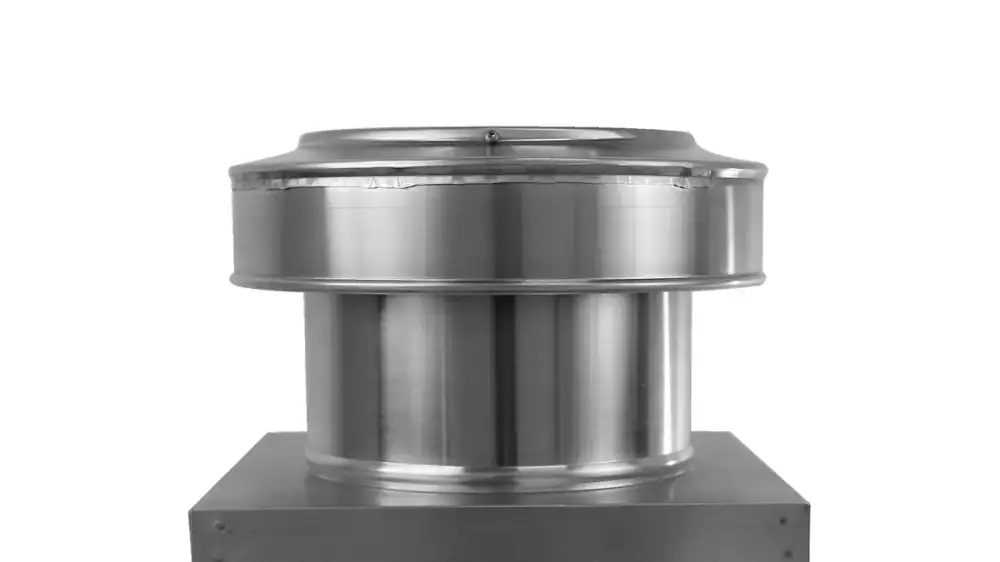
Roof vents let the attic breathe — hot, humid air escapes high on the roof while fresh air enters low, usually through soffit vents at the eaves. Their covers keep rain, snow, and animals out while air keeps moving. The common exhaust types are ridge, box, turbine, and powered vents. When a cover is cracked, missing, or its screen is torn, weather and wildlife get in and airflow suffers. Spotting that is a ground-level job; any inspection or repair up on the roof belongs to a professional.
Roof vents are among the most overlooked features of any house — small hoods, ridges, and spinning caps scattered across the roof that most people couldn't identify if asked. Yet they're never off duty. Their quiet, constant job is to keep the air inside the attic moving, so that heat and moisture don't pool up there and slowly cook the roof from below. And like every other part exposed to the weather, they and their covers can fail. Understanding what's up there rounds out the picture of your roof's openings, sitting right alongside the chimney as one more place where the inside of the house meets the sky.
What ventilation is actually doing up there
Seal an attic against airflow and you create a trap — for heat in summer and, more insidiously, for moisture all year round. Warm, humid air constantly drifts up from the living space and gathers under the roof, where it condenses on cold surfaces, feeds mold, and quietly shortens the life of the structural timber. Ventilation defuses all of that by handing the trapped air a way out and drawing fresh air in behind it.
The mechanism is almost embarrassingly simple. Air enters low, warms, picks up moisture, rises, and leaves high. Everything that follows is just the hardware that makes those two ends — the low entrance and the high exit — reliable. Roof vents are the "leaves high" half of the equation.
The vents you'll see up top
Roof vents divide into two camps: exhaust, sitting up high, and intake, sitting down low. The exhaust vents perched on the roof itself come in a handful of familiar forms.
- Ridge vents run continuously along the peak of the roof, offering warm air a way out right at the highest line. They sit low and tend to disappear into the roofline.
- Box vents — also called static or louver vents — are the small, squarish hoods clustered near the ridge. They have no moving parts; air simply rises and slips out through them.
- Turbine vents are the spinning caps you've surely noticed on other houses. Wind sets the turbine turning, and the spin actively draws air up out of the attic.
- Powered vents go a step further, using a fan — sometimes governed by a thermostat or humidistat — to pull air out on demand.
The intake side, meanwhile, is usually handled by soffit vents tucked under the eaves — the subject of soffit ventilation explained — which admit cool air down low so the exhaust vents up top have something to draw on.
| Vent type | Where it sits | How it works |
|---|---|---|
| Ridge vent | Along the roof peak | Continuous passive exhaust at the highest line |
| Box / static vent | Near the ridge | Passive exhaust through a low hood |
| Turbine vent | Upper roof | Wind spins it to draw air out |
| Powered vent | Upper roof | A fan actively exhausts air |
| Soffit vent (intake) | At the eaves | Lets cool air in to feed the exhaust vents |
The small piece that makes a vent a vent
Every roof vent wears some kind of cover — a hood, cap, louver, or shield over the opening — and it's performing a genuine balancing act: keep rain, snow, and animals out while letting air move through freely. Many covers add a screen to fend off insects and larger debris on top of that.
That double duty is exactly why a damaged cover is more than a cosmetic complaint. A cover that's cracked, knocked loose, or missing altogether doesn't just look wrong; it invites weather straight into the attic and rolls out a welcome mat for nesting animals, while a torn screen lets insects and debris drift in. Strip away the cover and what remains is simply a hole in the roof. The cover is the entire difference between a vent and a leak.
Intake and exhaust are one system, not two
Here's the single idea that ties everything together and that homeowners most often miss: roof vents don't work alone. They're only the exhaust half of a system whose intake half is, in most houses, the soffit vents at the eaves. Air can leave through the top only if it can enter at the bottom.
The practical upshot is unforgiving. A pristine, perfectly clear ridge vent accomplishes very little if the soffit vents beneath it are choked with insulation, paint, or debris — and the reverse holds just as firmly. A balanced system matches adequate intake down low against adequate exhaust up high; throw that balance off and ventilation falters even when every individual piece looks fine. So if you're chasing attic moisture, always check both ends. For the intake half, see soffit ventilation explained; for how moisture tends to surface around the roof perimeter, see water stains below the roof edge.
Spotting a failing vent from below
You can catch the great majority of vent problems without leaving the ground. With binoculars from the yard or an upstairs window, run your eye over the roof and look for:
- Missing, cracked, or dislodged covers on any vent;
- Bent, rusted, or lifted metal on hoods or turbines;
- Torn or missing screens;
- A turbine that no longer spins freely when the wind blows;
- Debris, staining, or nesting material gathered around a vent opening.
Then let the attic tell the rest. Inside, the signs of a compromised vent or cover include damp insulation, water stains on the sheathing near a vent, a musty smell, or the unmistakable traces of animals. And because every vent is a penetration through the roof, it's a potential leak point in its own right — much like the chimney flashing where the chimney comes through — so a stain near a vent always deserves a second look. Everything on this list is something you can note from the ground; not one of it justifies a trip up a ladder, where roof work belongs firmly to a professional and not to a homeowner hoping for the best.
Bringing in a roofer
Call a qualified roofer whenever you find a damaged or missing vent cover, a leak or stain near a vent, evidence of animals getting in, or attic moisture that hints at a ventilation problem. Inspecting, repairing, or replacing a roof vent — and, just as importantly, judging whether intake and exhaust are actually in balance — means getting up onto the roof, and that's professional work. Your role is the ground-level watch: catching a damaged cover through the binoculars and noticing attic moisture or staining before it becomes a bigger repair.
To keep vents on your radar through the seasons, fold a quick look into the seasonal chimney inspection routine, and after any severe weather work through chimney storm damage: what to check.
Common questions
What are roof vents for?
Roof vents let the attic or roof cavity breathe. They allow hot, humid air to escape near the roof's peak while fresh air enters lower down, usually through soffit vents at the eaves. That airflow helps manage attic heat and moisture, which protects the roof structure and helps prevent problems like trapped condensation.
What are the common types of roof vents?
Common exhaust vents include ridge vents that run along the roof peak, box or static vents (low profile squares near the ridge), turbine vents that spin with the wind, and powered fans. These work with intake vents lower down — most often soffit vents at the eaves. A balanced system pairs exhaust up high with intake down low.
What does a roof vent cover do?
A vent cover is the hood, cap, or louvered shield over the opening. It keeps rain, snow, and animals out while still letting air pass. Many also have a screen to block insects and debris. The cover is what lets the vent breathe without letting weather or wildlife in — so a damaged cover undermines both jobs.
How can I tell if a roof vent or cover is damaged?
From the ground with binoculars, look for missing, cracked, or dislodged covers, bent or rusted metal, torn screens, and debris or nests around the opening. Indoors, attic moisture, staining near a vent, or signs of animals can point to a compromised cover. Any close inspection or repair is roof-level work for a professional.
How do roof vents relate to soffit vents?
They're two halves of one system. Roof vents high on the roof let warm, moist air out, while soffit vents at the eaves let cool air in. Air can only flow out the top if it can enter at the bottom, so blocked soffit vents undermine the roof vents, and vice versa. A balanced pairing of intake and exhaust is what makes attic ventilation work.
What roof-vent problems call for a roofer?
A damaged or missing vent cover, a leak or stain near a vent, or signs of animals getting in all call for a qualified roofer. Inspecting, repairing, or replacing a roof vent means getting onto the roof, so it's professional work. Your part is to spot problems from the ground and note any attic moisture or staining.
You might also like
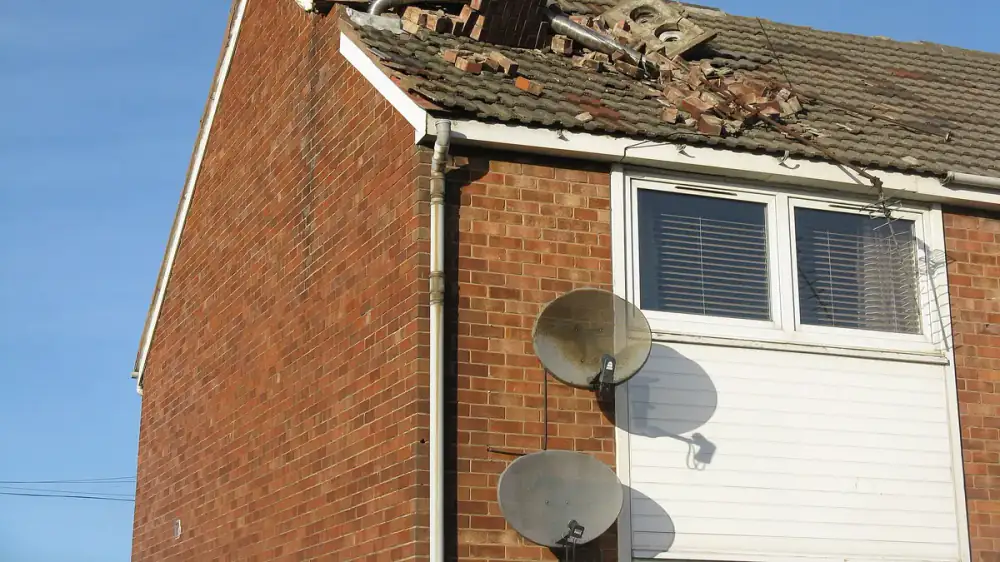
Chimney Storm Damage: What to Check
Storms dislodge caps, crack crowns, and lift flashing. Here's a ground-level, post-storm chimney check — what to look for, what to do, and when to call a pro.
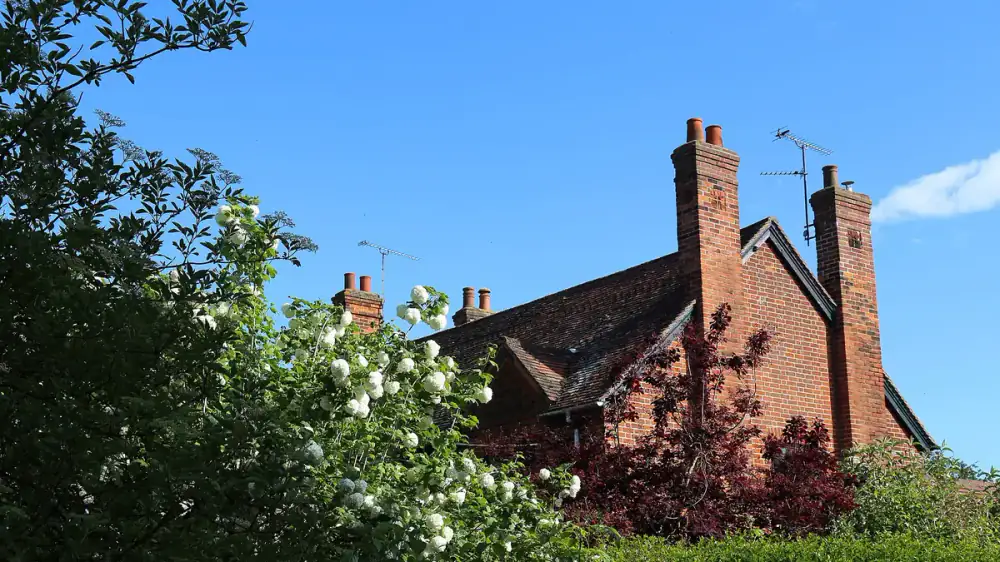
Seasonal Chimney Inspection From the Ground
A short binocular check each season catches most chimney trouble early. Here's what to look for from the ground, a simple cadence, and when to book a pro sweep.
Damaged Chimney Cap Mesh
A chimney cap's mesh screens out animals and debris and arrests sparks. Here's the mesh's role, the signs of damage, what failure lets in, and when to replace it.