Chimney Storm Damage: What to Check
High wind, hail, and falling branches are hard on a chimney. After a storm, a careful ground-level check catches the damage early. Here's what to look for — safely.
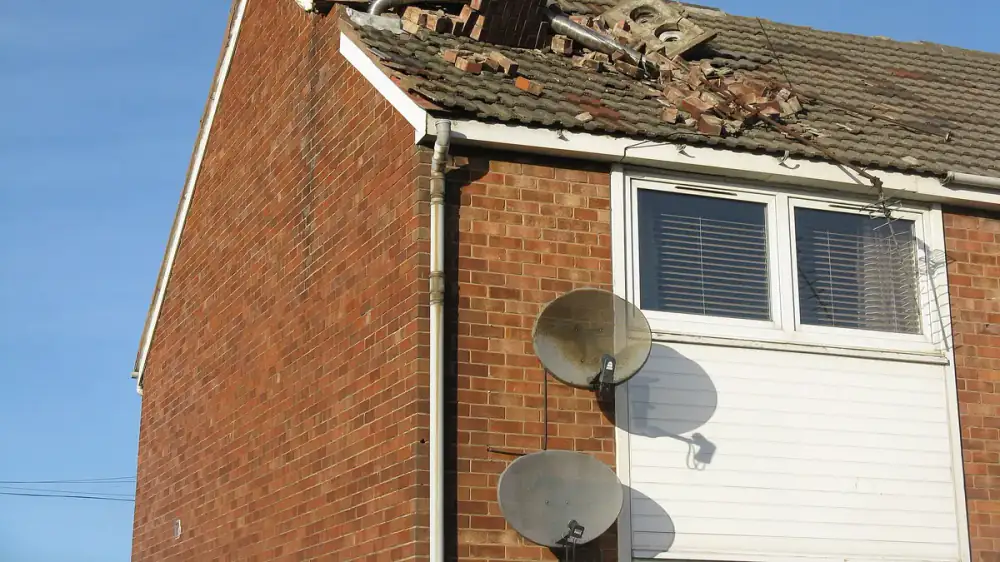
After a storm, check the chimney from the ground with binoculars: look for a leaning or shifted stack, a displaced or missing cap, cracked crown or masonry, lifted flashing, and lodged debris, plus fresh water stains indoors. A leaning chimney or dropped bricks is a safety hazard — keep clear and call a professional promptly. Never climb up or approach a visibly damaged stack. All post-storm repairs are roof-level work for a pro.
Of everything on a house, the chimney is the part most in the weather's path — standing alone above the roofline, taller than anything around it, with nothing to break the wind or shield it from hail and flying branches. That exposure makes it one of the likeliest things to be hurt in a severe storm. It's also, being high and awkward to see, one of the likeliest to hide that damage until the next rain quietly routes itself indoors. A prompt, careful look from the ground after the weather clears is what closes that gap between damage done and damage discovered.
One principle runs underneath everything that follows: you observe from the ground, and you leave the roof — and any close look at a damaged chimney — to a professional.
Step back before you step close
Before you start hunting for cracks, take in the whole chimney from a safe distance and answer one question first: is it still structurally sound? A chimney that's leaning, visibly shifted, or shedding bricks isn't an inspection item — it's a hazard. Stay well clear of the stack and of the ground directly below it, move people out of any rooms beneath or beside it if there's the slightest doubt, and call a professional promptly. Don't walk up to the base for a better view, and don't try to brace or steady it. A compromised masonry chimney can let go of material with no warning at all.
Only once the structure reads as sound should you move on to the closer, top-to-bottom scan.
Working down the stack with binoculars
With binoculars from the yard or an upstairs window, read the chimney from its top edge down to the roofline, and then finish inside. Storms tend to hit the same handful of parts, so it helps to know what damage looks like on each.
The cap takes the worst of it — storms dislodge caps more than anything else on a chimney. Look for one that's crooked, lifted, partly torn off, or gone altogether, and check the mesh for tears. A displaced cap leaves the flue open to rain, animals, and debris until it's refitted. For the fuller picture, see signs a chimney cap needs replacement and damaged chimney cap mesh.
The crown and masonry show impact damage. Hail and strikes can crack a crown or chip brick, so watch for new cracks, crumbling edges, missing pieces, or spalling brick faces that weren't there before the storm. Fresh damage to the crown is an open door for water; what is a chimney crown covers why it matters.
The flashing — the metal sealing the joint where the chimney meets the roof — is what high wind lifts and tears. Look for metal that's bent up, pulled away, or peeled back at that seam. Damaged flashing is a prime post-storm leak point; chimney flashing explained has the detail.
The top and surroundings can trap what the storm threw. Check for branches or debris lodged at the top or leaning against the chimney, and confirm the stack still looks plumb. Debris can block the flue as readily as it can crack the cap on the way down.
Indoors is where a leak declares itself. Look for fresh water stains on the ceiling or a wall near the fireplace, active dripping, or a new musty smell — all signs the storm opened a path for water. See water stains near the chimney.
| Where you look | Post-storm sign of damage |
|---|---|
| The whole stack (from a distance) | Leaning, shifted, or dropped bricks — a hazard, keep clear |
| The cap | Crooked, lifted, torn, or missing |
| Crown and masonry | New cracks, crumbling, spalling |
| Flashing | Lifted, bent, or peeled-back metal at the roof joint |
| Top and surroundings | Lodged branches or debris |
| Indoors | Fresh stains, dripping, or musty smell near the fireplace |
Matching the response to the finding
Not everything you find carries the same urgency. Sort what you see into a rough order of response:
- Leaning stack or dropped bricks — the urgent one. Call a professional right away and keep clear of the area.
- Displaced or missing cap — arrange a professional to inspect and replace it; in the meantime know the flue is open to weather and animals, and if more storms are forecast, say so when you call so it can be prioritized.
- Cracked crown or lifted flashing — book a professional look before the next rain compounds it.
- Lodged debris — leave it for the professional to clear from the roof; don't climb up to pull it down.
- Fresh interior stains — note where they are and whether they spread after rain, and pass that along when you call.
The through-line never changes: you spot it and describe it from the ground, and the professional does the work at height.
The findings that shouldn't wait
Most of what you notice can be scheduled. A few things can't, and it's worth knowing them as their own category. Treat any of these as reason for an urgent call:
- the chimney is leaning or has visibly moved;
- bricks or masonry have fallen or are loose;
- the cap is gone with more rain on the way;
- there's active dripping or a spreading stain indoors;
- a large branch or heavy debris is lodged on or against the chimney.
Why the ground rule holds after a storm
It's worth being clear about the single biggest risk here, because a storm is exactly when people are tempted to break the ground rule. The instinct to climb up and retrieve a knocked-off cap, or to pull down a lodged branch, is understandable — and it's precisely the wrong move. A roof after a storm is wet, littered, and possibly damaged in ways you can't see from below, which makes post-storm roof work some of the most hazardous there is. The same goes for approaching a leaning stack: a shifted chimney can drop material without warning, so distance is the only safe response.
Two quieter mistakes round out the picture. One is assuming that no visible damage means no damage — lifted flashing and hairline crown cracks are genuinely easy to miss from the ground, so it pays to keep watching for interior stains in the days after. The other is checking the chimney in isolation; a storm works over the whole exterior, and the chimney belongs inside a full walk-around, not on its own.
When any of the signs above turn up, call a qualified chimney or roofing professional promptly — urgently for a leaning or shifted stack, dropped or loose bricks, a gone cap with rain coming, active interior leaks, or heavy lodged debris. Because every post-storm repair means roof or height work, all of it is professional territory. Your part, done safely from the ground, is to catch the damage early, describe it clearly, and stay away from anything that looks structurally compromised.
Pair this with your whole-house routine: the post-storm exterior inspection checklist covers the rest of the exterior, and the seasonal chimney inspection keeps the chimney on your radar between storms.
Questions people also ask
What storm damage should I check for on a chimney?
From the ground, look for a leaning or shifted stack, a displaced, crooked, or missing cap, cracked or crumbling crown and masonry, lifted or torn flashing at the roof joint, and debris or branches lodged at the top. Indoors, check for fresh water stains or leaks near the fireplace. Any of these means the storm did damage worth a professional look.
Is a leaning chimney after a storm dangerous?
A chimney that is leaning, visibly shifted, or dropping bricks is a serious concern and a safety hazard. Keep well clear of it and the area below, keep people out of rooms beneath or beside it if there's any doubt, and call a professional promptly. Do not approach the base to inspect it closely or try to brace it yourself.
Can I check my chimney for storm damage myself?
You can and should do a ground-level check with binoculars from the yard or an upstairs window, and note any indoor stains. What you shouldn't do is get onto the roof or approach a visibly damaged, leaning chimney. Ground-level observation catches the signs safely; the close inspection and any repair are for a professional.
What should I do if the storm knocked my chimney cap off?
Note it and arrange for a professional to inspect and replace it, and until then be aware the flue is exposed to rain, animals, and debris. Don't climb up to retrieve or refit the cap — that's roof-level work. If more storms are coming, mention the exposed flue when you call so it can be prioritized.
How soon after a storm should I check the chimney?
Once it's safe to be outside and the weather has passed, do your ground-level check reasonably soon — the sooner you catch a displaced cap, lifted flashing, or a leak, the sooner it can be addressed before the next rain compounds it. Fold the chimney into your wider post-storm walk-around of the whole exterior.
When should I call a professional after storm damage?
Call promptly for any leaning or shifted stack, dropped bricks, a displaced or missing cap, cracked crown, lifted flashing, or fresh interior leaks. A leaning chimney warrants an urgent call and keeping clear of the area. All post-storm repairs mean roof or height work, so they're for a qualified chimney or roofing professional.
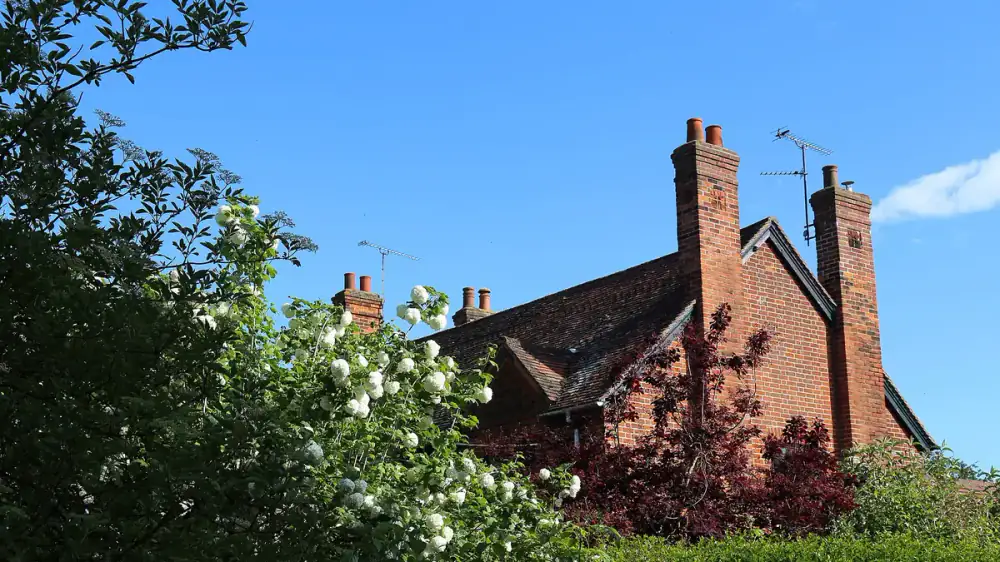
Seasonal Chimney Inspection From the Ground
A short binocular check each season catches most chimney trouble early. Here's what to look for from the ground, a simple cadence, and when to book a pro sweep.
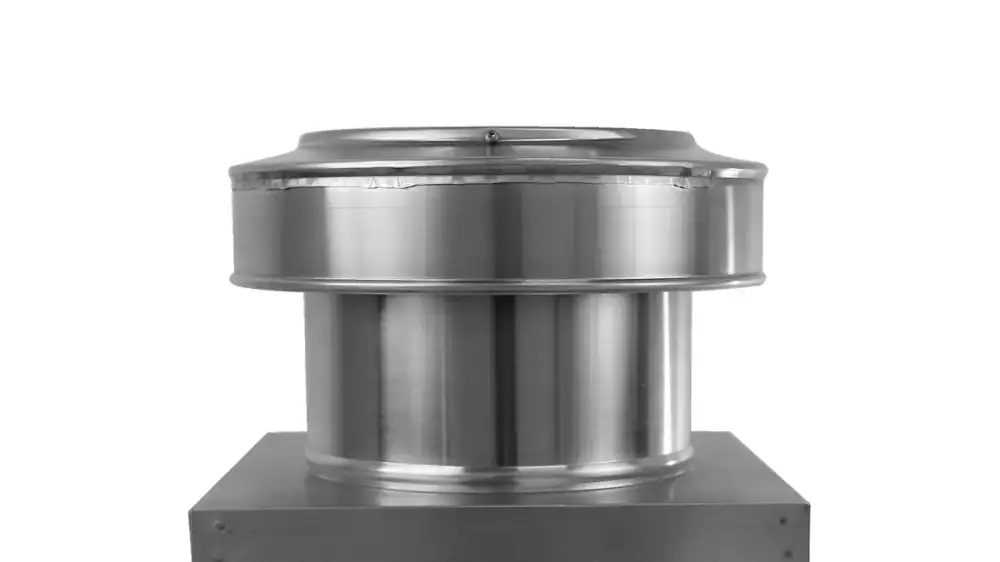
Roof Vents and Vent Covers Explained
Roof vents let the attic breathe, and their covers keep weather out while air keeps moving. Here are the common types, what covers do, and how to spot damage safely.
Damaged Chimney Cap Mesh
A chimney cap's mesh screens out animals and debris and arrests sparks. Here's the mesh's role, the signs of damage, what failure lets in, and when to replace it.