Chimney
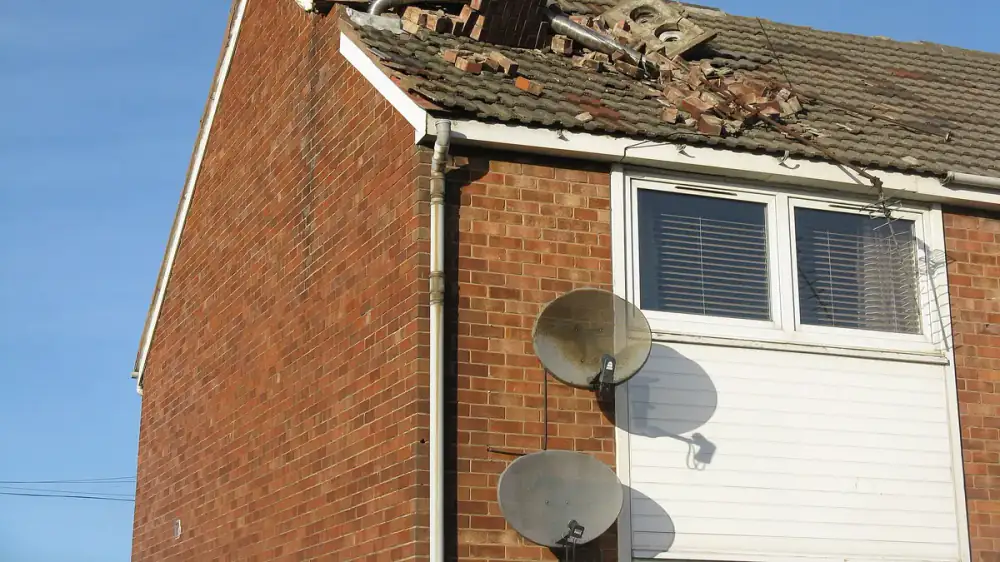
Chimney Storm Damage: What to Check
Storms dislodge caps, crack crowns, and lift flashing. Here's a ground-level, post-storm chimney check — what to look for, what to do, and when to call a pro.
Category
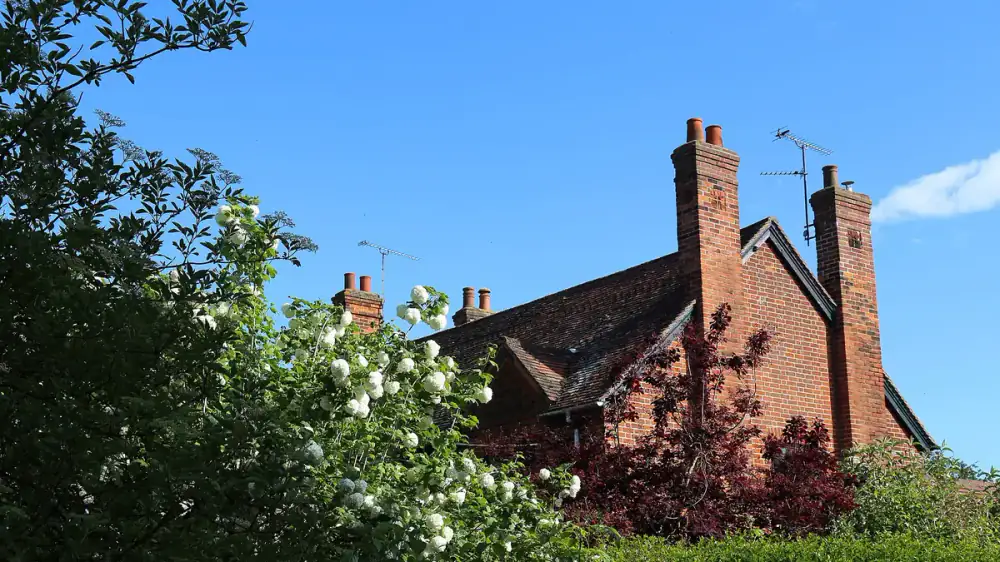
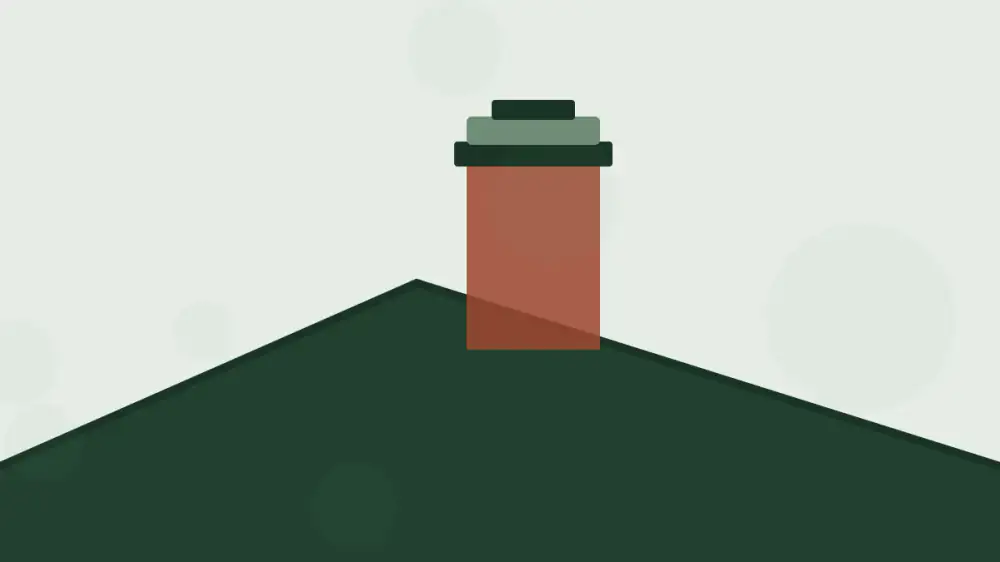
A focused section on chimney caps, crowns, flashing and roof vents: what they protect against, the warning signs of failure, and why this work is best observed from the ground.
Storms dislodge caps, crack crowns, and lift flashing. Here's a ground-level, post-storm chimney check — what to look for, what to do, and when to call a pro.
A short binocular check each season catches most chimney trouble early. Here's what to look for from the ground, a simple cadence, and when to book a pro sweep.
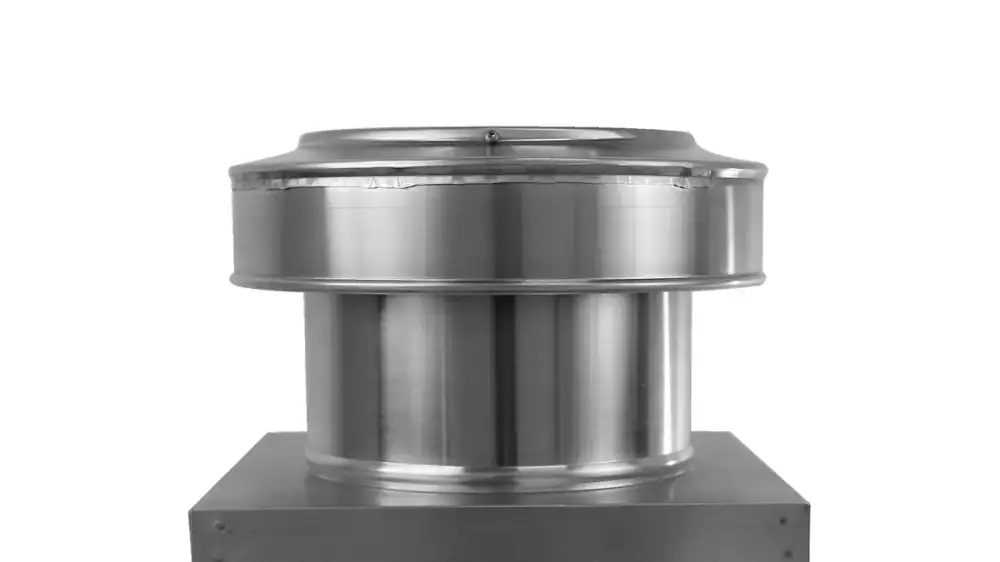
Roof vents let the attic breathe, and their covers keep weather out while air keeps moving. Here are the common types, what covers do, and how to spot damage safely.
A chimney cap's mesh screens out animals and debris and arrests sparks. Here's the mesh's role, the signs of damage, what failure lets in, and when to replace it.
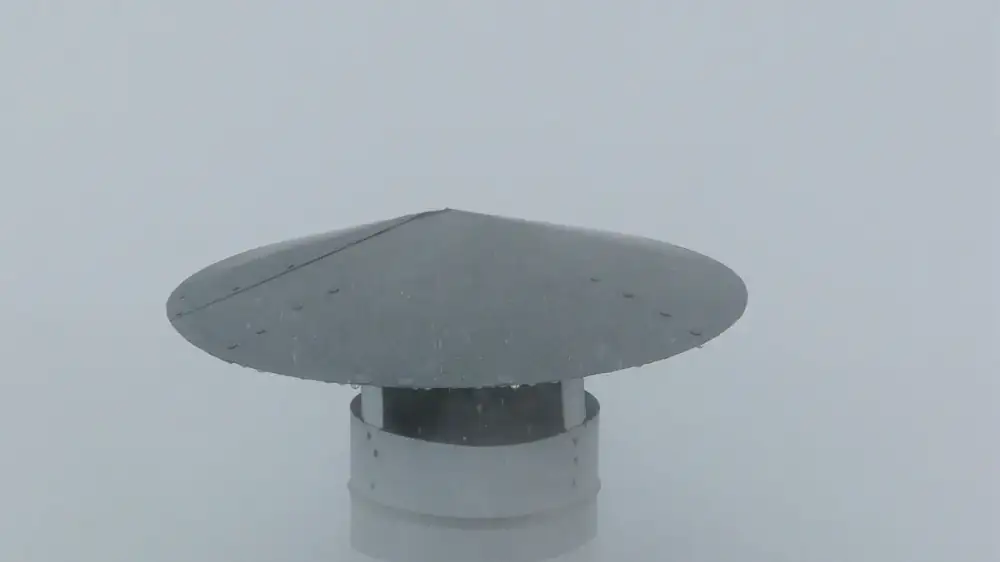
A chimney cap keeps rain, leaves, animals, and embers out of the flue while letting smoke escape — working alongside the crown, flashing, and roof vents.
Rust streaks down the masonry often mean the chimney cap is corroding. Here's why caps rust, what it leads to, and how to weigh repair against replacement — safely.
Rust, damaged mesh, a loose or tilted cap, animal entry, or water stains near the chimney are the clearest signs a cap has stopped doing its job.
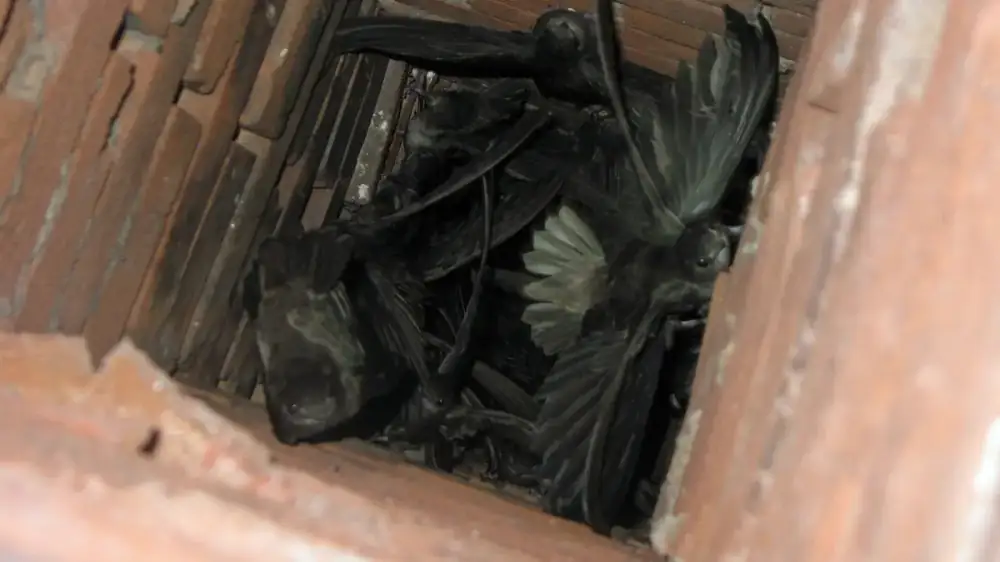
A missing or damaged cap lets birds and animals nest in the warm chimney shaft. Here's how to spot the signs, why mesh helps, and why removal is a job for pros.
Water stains near a chimney mean moisture is getting in — through the cap, crown, flashing, or masonry. Here's how to read interior and exterior stains, safely.