Seasonal Chimney Inspection From the Ground
You don't need to climb anything to keep an eye on your chimney. A short binocular check each season catches most trouble early. Here's what to look for and when.
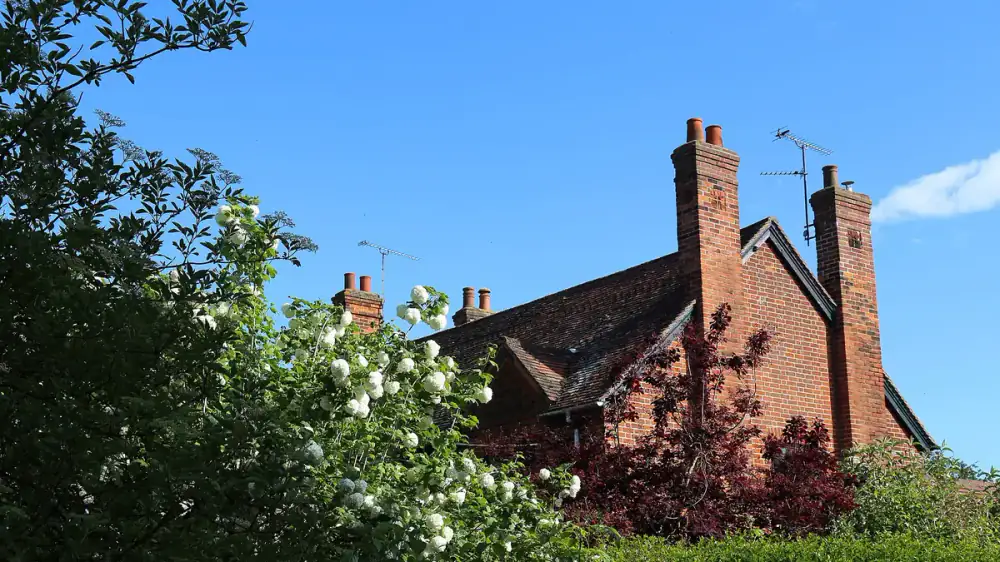
You can keep tabs on your chimney with a short binocular check from the ground each season, plus a look after any major storm. Scan the cap, crown, masonry, and flashing, and note any indoor stains or smells. These checks catch obvious trouble early — but they don't replace a professional inspection, which covers the crown surface, flue interior, and flashing up close. Book a pro on a regular basis and before the heating season, or whenever a check turns something up.
The chimney is the tallest thing on your house and, not coincidentally, the part homeowners look at least. It feels unreachable, so it slips off the maintenance list entirely. But almost nothing worth catching up there needs to be reached — it needs to be seen. A pair of binoculars, ten minutes in the yard, and a habit of doing it on a rhythm will surface the large majority of chimney problems while they are still cheap to fix. The whole method rests on two ideas: look regularly, and know precisely where your eyes stop and a professional's hands begin.
What a pair of binoculars is actually good for
Here is the reassuring part. Most chimney trouble is loud, visually, before it is expensive: a cap starts to bloom orange, a crown develops a crack, flashing peels up at one corner, a bird builds where it shouldn't. Every one of those changes is visible from the lawn with a bit of magnification. Spot them early and the remedy is usually modest. Miss them and water, animals, or debris keep working away out of sight until the bill is much larger.
The flip side is just as important to be honest about. Binoculars flatten distance and hide the very surfaces that matter most up close — the top face of the crown, the interior of the flue, creosote on the liner walls, the fine condition of the flashing seam. None of that reads from below. That single limitation is why this routine is deliberately two-handed: your recurring ground checks for the obvious, and a periodic professional inspection for everything the lens can't resolve.
The ten-minute scan
Season aside, the core sweep never changes. From the yard or an upstairs window, work top to bottom:
- The cap. Present, square, and secure? Any rust, flaking, or orange streaks on the brick below? Is the mesh whole all the way around, or torn open somewhere? The failure points are catalogued in signs a chimney cap needs replacement.
- The crown and upper masonry. Visible cracks, crumbling edges, missing chunks? Any spalling — brick faces flaking away? Background on this surface is in what is a chimney crown.
- The flashing. At the roof-to-chimney joint, is the metal lying flat and sealed, or lifted, bent, rusted, or gapping open? See chimney flashing explained.
- The surroundings. Nests, debris, or vegetation up top? Does the stack stand plumb, or lean?
Then step inside for a quick sensory pass near the fireplace: water stains on the ceiling or wall, a musty note in the air, peeling paint, or scratching sounds. Reading those indoor clues is covered in water stains near the chimney.
A cadence you'll actually keep
The best inspection schedule is one tied to something you already notice, and the turning of the seasons is hard to forget. Each quarter carries its own natural emphasis on top of the standard scan.
| Season | Emphasis for the ground check |
|---|---|
| Spring | Hunt for winter's marks — freeze-thaw cracks in the crown, spalling brick, a cap loosened by storms |
| Summer | Watch for nesting birds and animals; confirm the mesh is whole before wildlife moves in |
| Fall | The pre-heating pass; verify cap, crown, and flashing look sound before the first fire |
| Winter | From the ground, note icicles, staining, or a cap that has visibly shifted after freezes and gales |
When to look off the calendar
One rule overrides the quarterly rhythm: check after any serious storm, whatever the date. High wind, hail, and falling limbs are exactly the forces that lift caps and pry at flashing, and they don't wait for a season to change. A storm is its own trigger. The full post-weather walkthrough lives in chimney storm damage: what to check.
If you already run a whole-house exterior routine, the chimney folds neatly into it — pair this with the annual gutter inspection checklist so the whole roofline gets looked at in one pass, and lean on the post-storm exterior inspection checklist after rough weather.
The findings that shouldn't wait
A few things, if a scan surfaces them, warrant a call before the next quarterly look rather than a note to revisit later:
- a cap that is missing, crooked, or heavily rusted;
- cracks, crumbling, or missing pieces on the crown or masonry;
- flashing that is lifted, rusted, or gapping at the roof joint;
- water stains near the fireplace, especially ones that are spreading;
- animal sounds or debris in the firebox;
- any sign the stack is leaning or shifting.
Each of these is a cue to bring in a professional rather than watch and wait — and the value of the whole routine is that it tells you exactly when that moment has arrived.
What still needs a professional, and when
Two situations call for a pro regardless of how tidy your ground checks look. The first is simply the calendar: a professional inspection on a regular basis, and specifically before the heating season, reaches what you cannot — the crown surface, the flue interior, creosote, and the flashing up close. Late summer or fall is the practical window, so any repair is finished before you depend on the fireplace. Skipping that pre-season visit is how a small hidden fault becomes a genuine hazard once fires are lit.
The second is anytime a check turns something up. A damaged cap, cracked crown, failed flashing, water stain, or animal sign each deserves a prompt professional look, not a wait for the next scheduled date. As a rule of thumb, anything needing roof access, cleaning, or a close read of the flue is professional work — the point of this routine was never to send you onto the roof, it was to keep you off it while still catching trouble.
Cost varies with the chimney's height, configuration, access, and what the inspection covers, so treat any figure you find as a rough planning number rather than a quote; the roof access involved and whether cleaning accompanies the visit move it most. Done faithfully, a few minutes with binoculars four times a year — plus after storms — is one of the highest-value, lowest-effort habits a homeowner can keep, and it hands you the one thing chimneys usually deny: early notice.
Frequently asked questions
How often should I inspect my chimney?
A quick ground-level look each season — four times a year — plus a check after any major storm is a sensible cadence for a homeowner. On top of that, a professional inspection on a regular basis, and before you start using the fireplace for the season, covers what you can't see from the ground. The seasonal checks catch obvious problems early; the professional visit handles the rest.
Can I really inspect a chimney from the ground?
You can do a meaningful visual check from the ground with binoculars — enough to spot a missing or crooked cap, rust streaks, crumbling masonry, lifted flashing, or a nest. What you can't do from the ground is assess the crown surface, the inside of the flue, or the flashing up close. So ground-level checks flag problems; they don't replace a professional inspection.
What time of year is best for a professional chimney inspection?
Before the heating season, in late summer or fall, is a common and practical time — it means any needed work is done before you rely on the fireplace. That said, if a seasonal check or a storm turns up a problem, don't wait for a calendar date; book the inspection when you see the sign.
What should I look for during a seasonal chimney check?
Scan the cap (present, square, no rust or torn mesh), the crown and masonry (cracks, crumbling, spalling, staining), the flashing at the roof joint (lifted, rusted, gapping), and the surroundings (nests, debris, leaning). Indoors, note any water stains, musty smells, or animal sounds near the fireplace. Anything unusual is a cue for a closer professional look.
Do I still need a professional if my ground checks look fine?
Yes. Ground-level checks can't see the crown surface, the inside of the flue, creosote buildup, or the flashing up close — all things that matter for safety and performance. A clean ground check is reassuring, but it doesn't replace the periodic professional inspection that covers what binoculars can't reach.
When should I book a professional sweep or inspection?
Book one on a regular schedule and before the heating season, and promptly whenever a seasonal or post-storm check turns up something — a missing or damaged cap, cracked crown, lifted flashing, water stains, or animal signs. Anything requiring roof access, cleaning, or close assessment of the flue is professional work.
You might also like
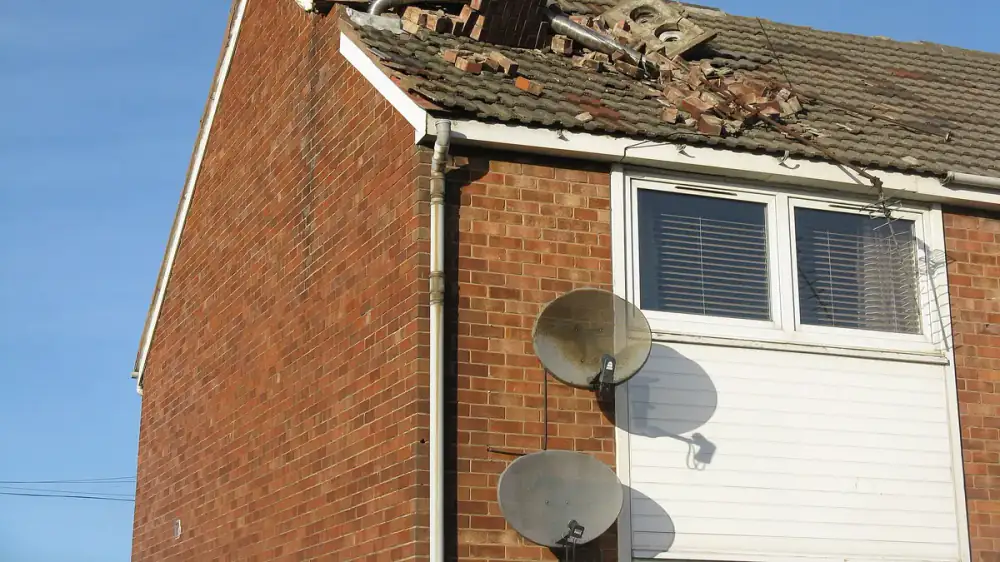
Chimney Storm Damage: What to Check
Storms dislodge caps, crack crowns, and lift flashing. Here's a ground-level, post-storm chimney check — what to look for, what to do, and when to call a pro.
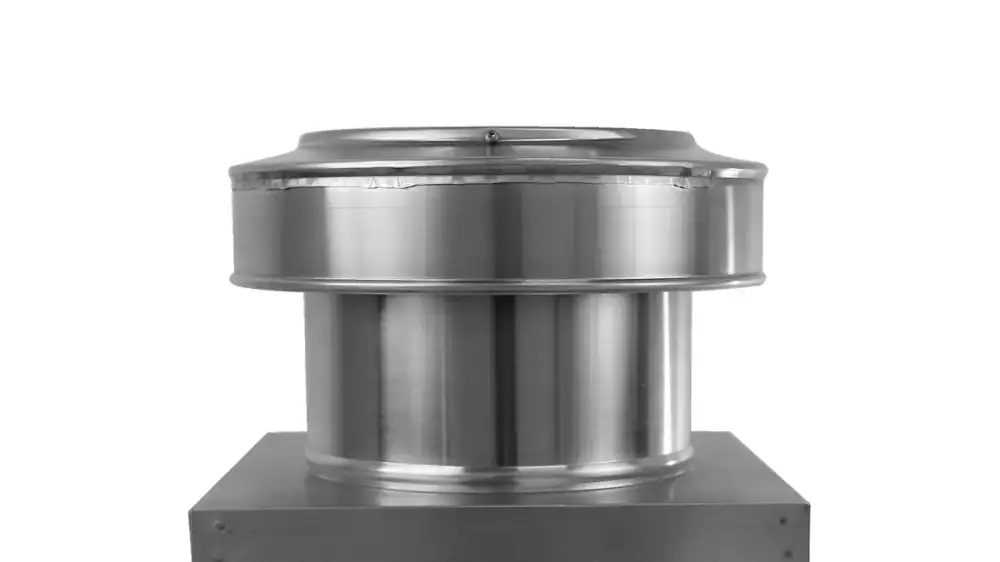
Roof Vents and Vent Covers Explained
Roof vents let the attic breathe, and their covers keep weather out while air keeps moving. Here are the common types, what covers do, and how to spot damage safely.
Damaged Chimney Cap Mesh
A chimney cap's mesh screens out animals and debris and arrests sparks. Here's the mesh's role, the signs of damage, what failure lets in, and when to replace it.