How Chimney Caps Protect Against Rain and Debris
A chimney cap is a small cover with a big job — keeping rain, animals, leaves, and embers out of the flue while letting smoke escape. Here's how it works.
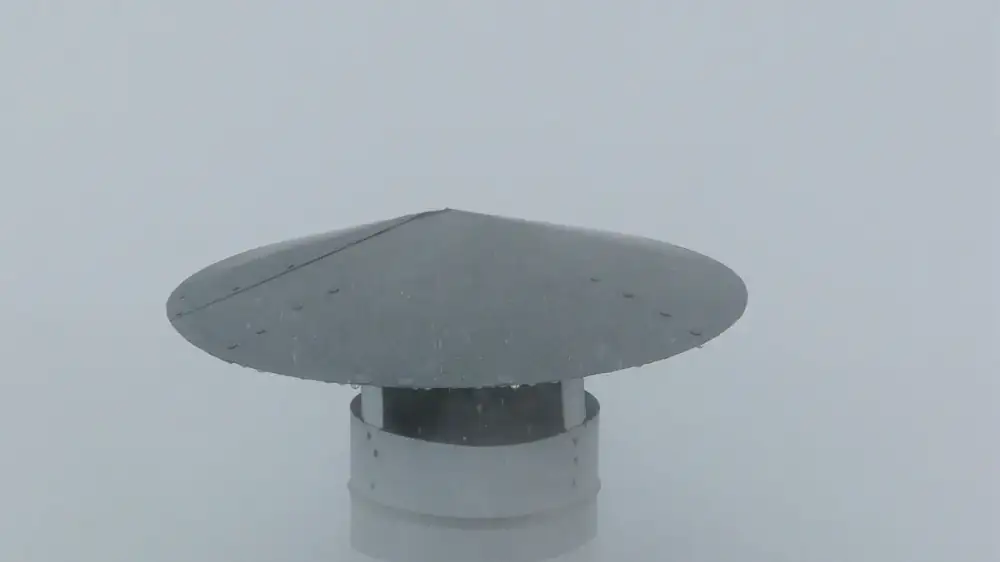
A chimney cap is a metal cover — a solid top over mesh sides — that fits over the flue opening at the peak of the chimney. Its job is to keep rain, snow, nesting animals, windblown leaves, and stray embers out while smoke and combustion gases still vent freely. It works in concert with the crown just below it and the flashing at the roofline, so a healthy chimney really wants all three. Leave the flue uncapped and it becomes an open shaft that collects whatever the weather sends down.
For something that costs so little and sits so far out of sight, the chimney cap does a remarkable amount of work. Picture the flue for a moment: a straight, hollow shaft running from the firebox all the way up through the roof, open to the sky at the top. Nothing about that shape says "keep the outdoors out." The cap is the piece that fixes the geometry — a purpose-built lid that turns an open pipe into a one-way passage, letting the byproducts of a fire leave while refusing everything that tries to come in.
A lid and a screen, working as one
Take a cap in your hands and you'll find it's really just two surfaces doing two jobs. The top is a solid panel — a little roof suspended a few inches above the flue. Rain and snow hit it, run to the edges, and drip clear of the opening instead of falling in. The mesh forms the walls between that top panel and the flue itself: an open screen that smoke drifts out through, but whose gaps are too small for a bird or a fistful of leaves to pass.
That combination is the whole trick. Gases move up and out through the mesh and around the top; anything solid or liquid gets turned away. Caps are usually formed from stainless steel, copper, or galvanized steel, and while the metal you choose affects how many winters it shrugs off before rusting, the underlying principle never changes.
The things it turns away
It helps to name what the cap is actually up against, because each threat behaves differently.
Rain and snow are the headline. Every storm that passes over an uncapped flue drops water straight down the shaft, where it soaks into masonry, corrodes metal fittings, and eventually surfaces as a stain on a wall inside the house. The solid top is the single answer to all of that.
Leaves, twigs, and seed pods are next. Chimneys stand above the roofline exactly where wind carries loose debris, and an open flue is a natural collection point. Let enough gather and the passage narrows, which is both a draft problem and a fire-safety one. The mesh intercepts that material before it can settle.
Then there's wildlife. A warm, sheltered vertical shaft is close to ideal real estate for a squirrel, a raccoon, or a nesting bird, and an uncapped chimney is one of the most common ways animals end up living inside a home's flue. The mesh openings are sized deliberately: wide enough for gases, too tight for a paw.
Finally, embers. When a fire is drawing, hot sparks can ride the updraft toward the top. The cap's top and screen catch them before they can drift onto shingles or dry leaves nearby. This ember-arresting duty is the reason a cap counts as a safety component and not merely a weather cover.
Why the crown is its partner, not its rival
The cap doesn't work in isolation, and confusing it with the part directly beneath it causes no end of misdiagnosed leaks. That neighbor is the crown — the sloped concrete or masonry surface capping the top of the chimney's brickwork. Where the cap guards the flue opening, the crown guards the flue's surroundings, shedding water off the top of the structure so rain runs away instead of pooling on the masonry.
Read them as two layers of one defense. Water arriving at the top of the chimney meets the crown first, which sends most of it off the sides; whatever aims for the opening meets the cap. When both are sound, moisture is deflected twice. When the crown cracks or the cap fails, water finds the gap the other was covering.
| Component | What it guards | What passes through |
|---|---|---|
| Cap top | The flue, against rain and snow | Nothing downward; sheds water outward |
| Cap mesh | The flue, against animals and debris | Smoke and combustion gases |
| Crown | The chimney masonry, against pooling water | Nothing; sheds water off the sides |
Where the cap sits in the bigger picture
Zoom out and the chimney is just one of several spots where something punches through the roof, and each opening has its own weatherproofing. Flashing is the metal that seals the seam where the chimney meets the roof surface, stopping rain from running down alongside the brick and into the roof deck. Separately, roof vents let the attic breathe. The cap replaces none of these — it covers the very top of the flue, flashing covers the base of the chimney, and vents handle attic airflow.
Knowing that division of labor pays off the moment you see a water stain. Moisture near a chimney can trace back to a failed cap, a cracked crown, or tired flashing, and the honest truth is that you often can't tell which from the stain alone. Rather than blaming the shingles by reflex, it's worth ruling out each part in turn.
Reading a cap without leaving the ground
You can keep tabs on a cap without ever setting foot on a ladder, and given that the chimney is the highest, least forgiving point on the house, that's exactly how it should stay. Twice a year, and again after any serious storm, take binoculars to the yard or lean out an upstairs window and check a short list:
- The cap is present and sitting square — not lifted, tilted, or gone.
- The mesh is whole all the way around, with no tears or missing panels.
- There's no heavy rust, flaking metal, or rust streaking down onto the brick.
- No nest, leaf pile, or debris has gathered around the top.
Indoors, a few clues tell the rest of the story: a musty smell near the fireplace, fresh water stains on the chimney wall, or the scrabble of an animal in the flue. Any of those can point straight back to a compromised cap. Spotting these things is squarely a homeowner's job; the hands-on part — cleaning the cap, refastening it, or swapping it out — means being at the top of the chimney, which is work for someone properly equipped and roped up for the height.
To see what a cap looks like once it's genuinely failing, read signs a chimney cap needs replacement. And because chimney moisture and roof-edge moisture so often show up together, it's worth knowing how to read water stains below the roof edge and signs soffits have moisture damage.
Questions people also ask
What does a chimney cap actually keep out?
A cap blocks four main things: rain and snow that would otherwise fall straight into the flue, animals and birds looking for a warm place to nest, leaves and windblown debris that can collect and block the passage, and stray sparks or embers rising from a fire. It does all of this while still letting smoke and combustion gases vent out the top.
Can a chimney work without a cap?
It can draw air without one, but it's left fully exposed. Rain enters the flue directly, animals nest inside, debris accumulates, and embers can escape onto the roof. Over time an uncapped chimney tends to develop moisture problems, blockages, and interior staining that a cap would have prevented.
How does the mesh on a chimney cap work?
The mesh is the screen that wraps the sides of the cap. It lets smoke and gases pass through while its openings are small enough to stop birds, animals, and larger debris from entering. The solid top above the mesh acts as a little roof, shedding rain out and away rather than down into the flue.
What is the difference between a chimney cap and a chimney crown?
The crown is the sloped masonry or concrete surface at the top of the chimney structure that sheds water off the sides. The cap is the metal-and-mesh cover over the flue opening. The crown protects the top of the masonry; the cap protects the flue. A sound chimney needs both working together.
How do I keep an eye on a chimney cap?
From the ground or an upstairs window, use binoculars a couple of times a year to check that the cap is intact, sitting square, and free of rust, torn mesh, or debris buildup. Interior clues — a musty smell, water stains near the fireplace, or animal noises — also flag a problem. The hands-on cleaning and any repairs are roof-level work best left to a professional.
What findings on a cap warrant a professional visit?
Rust, damaged or missing mesh, a loose or tilted cap, a nest, or water stains near the chimney all warrant a call — as does any cleaning or replacement that requires roof access. Because the chimney is the highest point on the house, the actual work at the top should always be handled by someone equipped for it.
Related reading
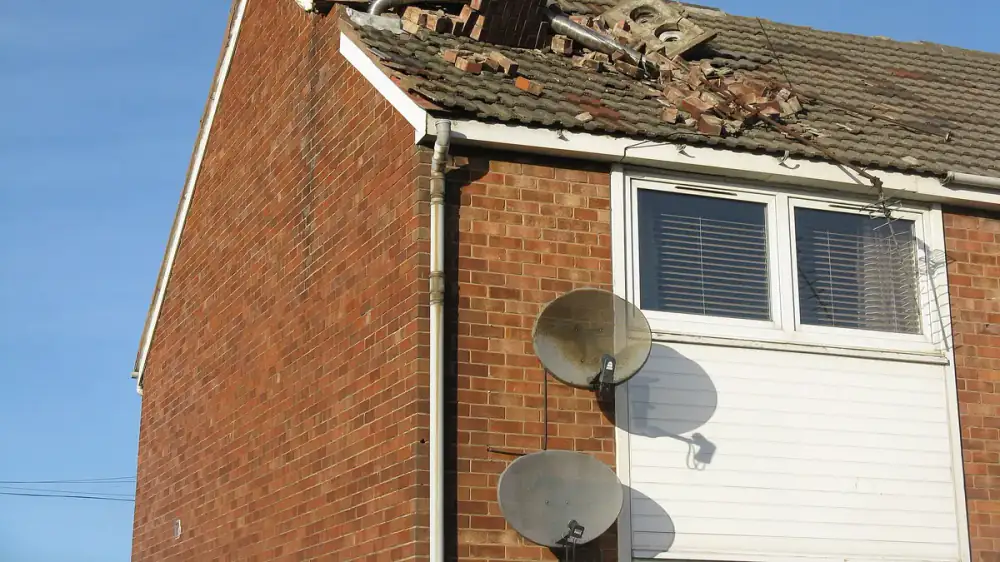
Chimney Storm Damage: What to Check
Storms dislodge caps, crack crowns, and lift flashing. Here's a ground-level, post-storm chimney check — what to look for, what to do, and when to call a pro.
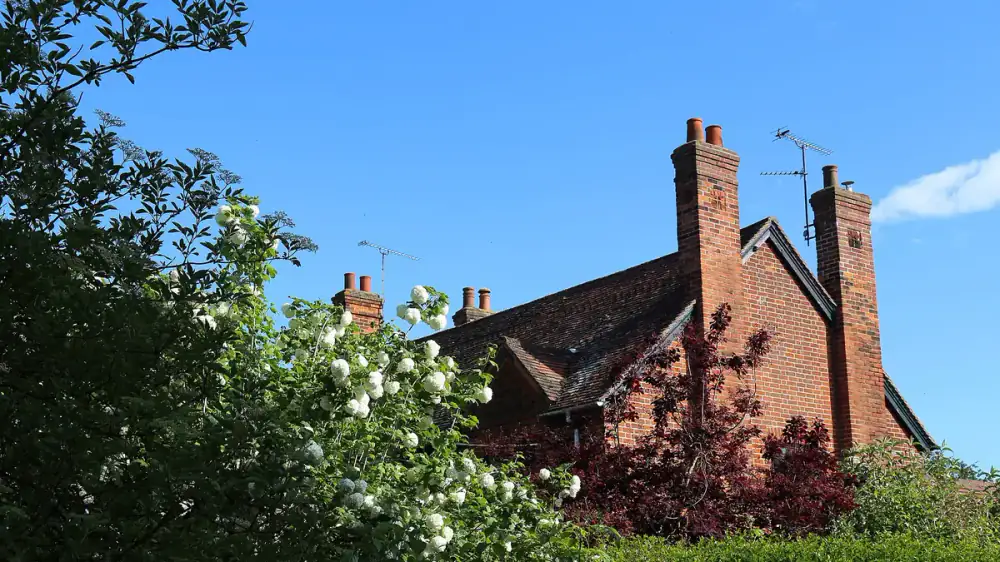
Seasonal Chimney Inspection From the Ground
A short binocular check each season catches most chimney trouble early. Here's what to look for from the ground, a simple cadence, and when to book a pro sweep.
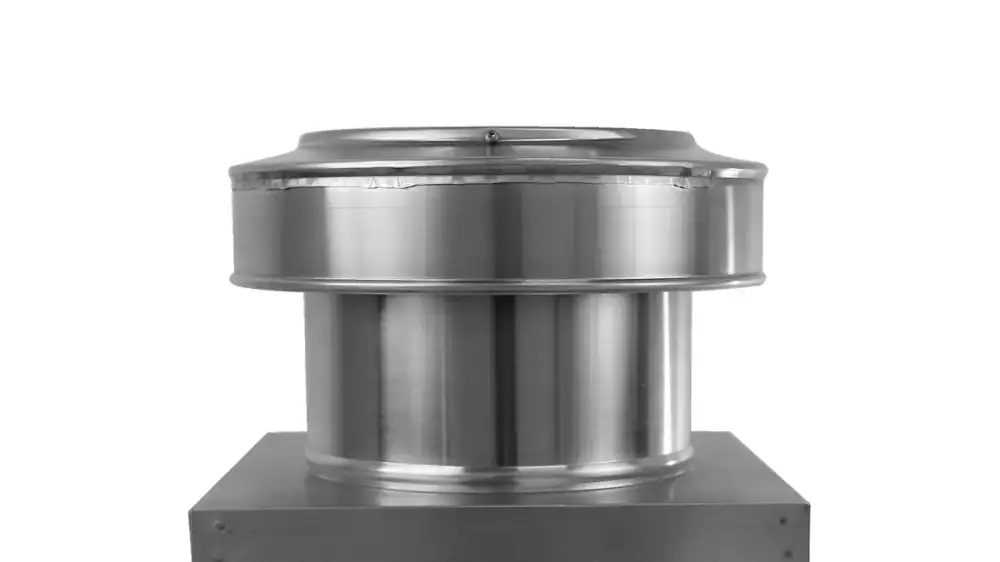
Roof Vents and Vent Covers Explained
Roof vents let the attic breathe, and their covers keep weather out while air keeps moving. Here are the common types, what covers do, and how to spot damage safely.