Signs a Chimney Cap Needs Replacement
A failing chimney cap rarely announces itself, but the clues are visible from the ground if you know what to look for. Here are the signs worth acting on.
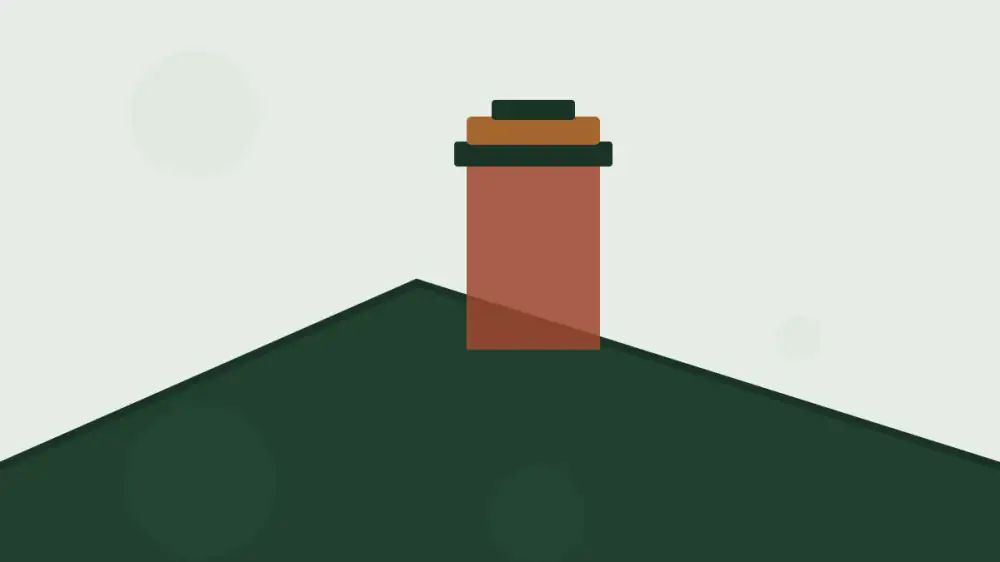
Replace a chimney cap when you see rust, torn or missing mesh, or a cap that sits loose or tilted. Debris and animal entry into the flue, or water stains near the chimney inside or at the roof edge, are other clear signals. Most of these signs are visible from the ground with binoculars — but the replacement itself belongs to a professional.
Few components on a house punch so far above their weight as the chimney cap. It is a modest cover of metal and mesh, yet it is all that stands between an open flue and the rain, birds, leaves, and stray embers that would otherwise pour in while smoke pours out. And because it lives at the absolute top of the roof, it is the easiest part of the house to forget — right up until the morning a stain appears on the ceiling or something starts rustling behind the firebox.
The saving grace is that a cap on its way out almost never fails silently. It telegraphs its decline in ways you can read from the ground, and a patient look through binoculars is usually enough to tell a cap that is still earning its keep from one that has quietly stopped.
The job you're checking it against
The signs only make sense once you know what the cap is defending. Most caps are built from two working parts: a solid top that behaves like a miniature roof over the flue opening, and a mesh screen wrapping the sides. Between them they keep rain and snow off the inside of the chimney, block birds and squirrels from nesting in that warm, sheltered shaft, stop leaves and windblown debris from packing in and choking the draft, and contain the sparks that could otherwise settle on the roof.
When any one of those jobs lapses, the trouble it was holding back turns up — often not at the chimney at all, but on a ceiling or wall some distance away. The signs below are really just those four failures made visible.
Corrosion, the first honest tell
Rust is the most common giveaway, especially on older galvanized caps. From the ground, look for orange or brown streaks running down the masonry, flaking metal on the cap body, or a screen that has dulled from bright to a pitted gray. A little surface spotting is worth keeping an eye on; metal that is visibly flaking or perforated has corroded through and no longer forms a dependable barrier.
When the screen gives way
The mesh is what animals and debris test hardest, so it is often where failure shows first. Through binoculars, trace the screen all the way around and ask whether it is whole. Torn, bent, or missing sections leave a door standing open into the flue. Sometimes an animal has worked a corner loose; sometimes the weather has simply worn the wire out. The cause hardly matters — a breached screen means the cap has stopped keeping things out.
A cap that no longer sits straight
A sound cap sits square and snug over the flue. One that looks crooked, lifted along one edge, or shoved off-center has lost either its fasteners or its fit. That is more than an appearance problem: wind gets under a loose cap and can eventually carry it off entirely, so a tilted cap is both leaking already and one storm from disappearing.
Signs the barrier has been breached
Two clues tell you something has already gotten past the cap. The first is visible: leaves, twigs, or an actual nest gathered around or beneath it. The second is audible: scratching, chirping, or scrambling near the fireplace or up inside the chimney. Either way, treat it as evidence that the cap is no longer sealing — and that the flue may already be partly blocked by whatever moved in.
Stains that trace back to the top
Some of the clearest evidence never appears on the cap at all. It shows up indoors or along the roofline as:
- damp patches, discoloration, or a musty smell near the fireplace or on the ceiling around the chimney;
- staining on the interior wall the chimney runs against;
- water marks or streaking on the fascia and roof edge nearest the chimney.
Moisture reaching those places often means rain is entering a flue that an intact cap would have shed. When stains appear, it is worth ruling the cap in or out before assuming the roof is at fault.
Reading the signs at a glance
Put together, the clues sort neatly by what they mean and how quickly they need attention.
| What you see | What it usually means | How urgent |
|---|---|---|
| Rust streaks on masonry | Cap metal is corroding | Monitor; replace if flaking or perforated |
| Torn or missing mesh | Barrier against animals and debris is breached | Address soon |
| Crooked or lifted cap | Fasteners or fit have failed | Address soon; risk of blow-off |
| Nest or debris at the top | Something has gotten past the cap | Address soon |
| Water stains near chimney | Rain may be entering the flue | Diagnose promptly |
| No cap visible at all | Flue is fully exposed | Address promptly |
The math on acting early
A cap is cheap next to what it guards. Once the barrier lapses, rain works into the flue and the chimney structure, animals settle into the warmth, and debris piles up where it can strangle airflow. The moisture damage, blockages, and interior staining that follow are all far more involved — and far more costly — to undo than the cap that would have prevented them.
Because the cap sits out of daily sight, those problems tend to run for a while before anyone notices, which is exactly why a periodic look pays for itself. A couple of glances a year with binoculars catches most of this early, and there are a few traps worth naming: never looking up at all; assuming an interior stain is a roof leak and re-roofing before ruling out the flue; patching worn mesh on a cap whose metal is already corroding, when the whole thing is usually near the end; and shrugging off a merely crooked cap that is still admitting water and one gust from coming off.
Where a homeowner's inspection stops
Everything above can be judged from the ground, an upstairs window, or through binoculars — and that is precisely where your part should end. Replacing a cap means working at the peak of the roof, sizing the cover to the flue, and fastening it so it both sheds water and resists wind. That mix of height and exacting fit is why the replacement itself belongs to a qualified chimney sweep or roofing professional, not a DIY afternoon at the top of the house.
So if a look turns up rust, torn mesh, a shifted cap, or water where it shouldn't be, write down what you saw and make the call. You will have done the genuinely valuable part — catching it early — and left the risky part to someone equipped for the height.
For roof-edge trouble that often keeps chimney problems company, see water stains below the roof edge and what causes fascia rot. And to understand the cap's protective role in more depth, read how chimney caps protect against rain and debris.
Answers to common questions
Can I tell my chimney cap is failing without getting on the roof?
Often, yes. A good pair of binoculars from the ground or an upstairs window reveals most of the warning signs — rust streaks, torn or missing mesh, a cap that sits crooked, or debris caught around it. Interior clues like a musty smell, water stains near the chimney, or animal noises also point to a failing cap without any climbing.
How long does a chimney cap usually last?
It depends heavily on the material, the local weather, and how much moisture and debris the cap handles. Stainless steel and copper caps tend to hold up longer than galvanized steel, which is more prone to rust. Rather than replacing on a fixed schedule, watch for the physical signs of wear and act when they appear.
Is a rusted chimney cap actually a problem?
Yes. Rust means the metal is corroding, and corrosion weakens both the mesh and the frame. Rust streaks running down the chimney also carry that staining onto the masonry. A lightly spotted cap is worth monitoring; a cap with flaking, perforated, or heavily corroded metal has reached the end of its service life.
What happens if I ignore a damaged chimney cap?
Without an intact cap, rain enters the flue, animals and birds nest inside, and windblown debris collects in the chimney. Over time that leads to moisture damage inside the chimney, blockages, and interior stains near the fireplace or on nearby ceilings. Replacing a cap is far cheaper than repairing the damage a missing one allows.
Can I replace a chimney cap myself?
Chimney work happens at the highest, least forgiving point of the roof, and a cap must be sized and secured correctly to function. Inspecting from the ground is something any homeowner can do, but the replacement itself involves roof access and proper fitting, which is best left to a qualified chimney or roofing professional.
Does a chimney cap and a chimney crown do the same thing?
No. The crown is the sloped masonry or concrete surface at the very top of the chimney that sheds water off the structure. The cap is the metal-and-mesh cover that sits over the flue opening itself. They work together, but a cracked crown and a failing cap are separate problems, each needing its own attention.
Keep reading
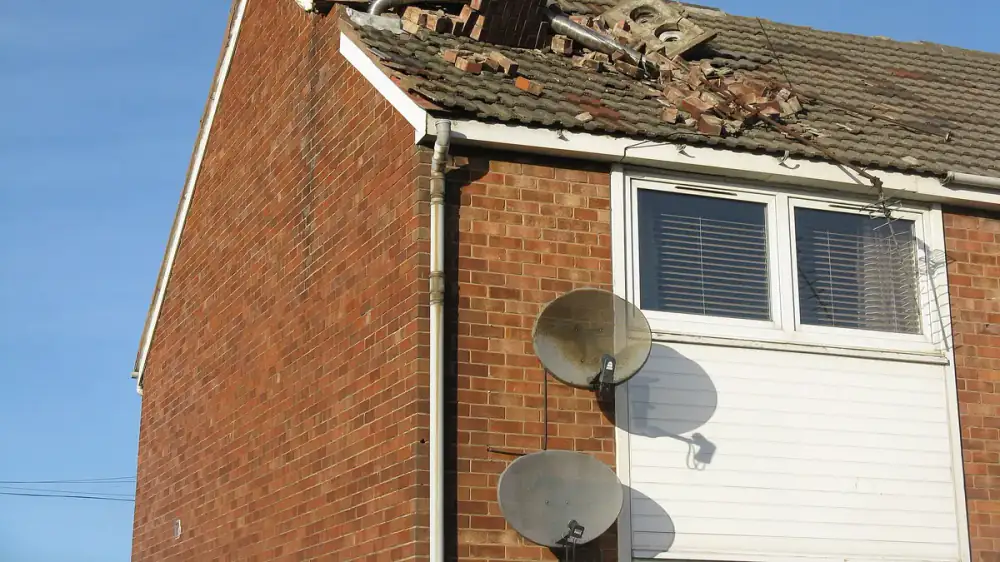
Chimney Storm Damage: What to Check
Storms dislodge caps, crack crowns, and lift flashing. Here's a ground-level, post-storm chimney check — what to look for, what to do, and when to call a pro.
Seasonal Chimney Inspection From the Ground
A short binocular check each season catches most chimney trouble early. Here's what to look for from the ground, a simple cadence, and when to book a pro sweep.
Roof Vents and Vent Covers Explained
Roof vents let the attic breathe, and their covers keep weather out while air keeps moving. Here are the common types, what covers do, and how to spot damage safely.