How to Clean Exterior Windows
Exterior glass collects a different kind of grime than indoor windows — pollen, road film, hard-water spots and algae. A few habits get it clear without streaks or damage to frames and screens.

Pick a cool, overcast day so the solution doesn't dry before you can clear it. Rinse off loose grit, wash with a little soapy water, then pull the water down with a squeegee in overlapping strokes, wiping the blade after each pass. Do the frames and screens as part of the job, and keep high pressure away from the glass and its seals.
The dirt on the outside of a window is nothing like the smudges on the inside. Indoors you're clearing fingerprints and cooking haze. Outdoors it's pollen, road film, sprinkler minerals, blown dust and, on the shady sides of the house, a thin bloom of algae — a mix that has been baking and building for months. The reassuring part is that the ground-floor windows most people can reach safely clean up beautifully with simple tools and a little sequencing. This is a guide to the glass you can handle standing on your own two feet; anything that calls for a ladder or roof access is a different, more hazardous job, and one worth handing off rather than improvising.
The short kit that does it
You don't need a professional's belt for ground-level glass:
- A bucket of warm water with a few drops of dish soap
- A soft sponge or a microfiber wash pad
- A squeegee with a clean, undamaged rubber blade
- Two or three lint-free microfiber cloths
- A garden hose for rinsing
- A soft brush for frames and tracks
Go light on the soap. The most common cause of streaking, by a wide margin, is too much cleaner — it dries into a film faster than you can wipe it off.
Timing beats technique
More than any product, the conditions decide the result. Clean when the glass is cool and out of direct sun: early morning, late afternoon, or a flatly overcast day. In full sun the solution flashes off on contact and leaves streaks and spots no matter how carefully you work the squeegee. If you're already thinking about when to schedule bigger outdoor jobs, the same drying-and-temperature reasoning in our notes on the best time of year to pressure wash applies in miniature to a pane of glass.
A working order that avoids rework
Sequence keeps you from cleaning the same pane twice.
- Rinse first. A gentle hose stream carries off loose grit and pollen so your sponge doesn't grind it into the glass — skipping this is how fine scratches begin.
- Do the frames and sills. Wipe the frame, then brush the tracks and corners where dirt and dead bugs collect, before the glass, so that grime doesn't wash back down onto clean panes.
- Wash the glass. Dip the pad, wring it damp rather than dripping, and wash top to bottom, using a little agitation to lift road film and pollen.
- Squeegee it dry. Start in a top corner and pull down in slightly overlapping strokes — vertical or horizontal both work — and wipe the blade with a dry cloth after every pass so you aren't dragging dirty water back across the glass.
- Detail the edges. Run a dry microfiber cloth around the perimeter and into the corners the squeegee can't reach.
No squeegee? A clean, dry microfiber cloth buffed in circles and finished in straight lines works on smaller panes; it just takes longer.
Frames, screens and tracks
The surround is part of the job, not an afterthought — a spotless pane in a filthy frame doesn't read as clean.
| Component | Approach | Watch out for |
|---|---|---|
| Vinyl or aluminum frames | Soapy water and a soft cloth | Abrasive pads dull the finish |
| Painted or wood frames | Damp cloth, wrung out | Standing water at joints |
| Screens | Remove, rinse gently, wipe, dry fully | High pressure stretches the mesh |
| Tracks and sills | Soft brush, then wipe | Grit left behind scratches glass |
Take the screens out before you wash the glass. Left in place they catch the dirty runoff and drip it right back down the pane. Rinse each one with a gentle stream, wipe both sides with a soapy cloth if they're grimy, and stand them up to dry completely before reinstalling — trapped moisture is an open invitation to mildew.
Mineral spots and green film
Two problems don't answer to plain soap, and both have a source worth addressing rather than just a symptom to wipe.
Sprinkler overspray and hard water leave cloudy mineral deposits that ordinary suds won't touch. A diluted white-vinegar solution, given a minute or two to dwell and then worked with a soft pad and rinsed, lifts most of them. Save scraping for a genuine last resort, and never on tinted, coated or older glass, which scratches easily. If the spots keep returning, adjusting the sprinkler heads so they stop hitting the windows solves it at the root.
On shaded, damp sides of the house, glass can develop a green film — the same organic growth that colonizes walls. That's a chemistry problem, not a dirt problem, so scrubbing harder won't keep it away. Treating it gently and dealing with the surrounding algae on the exterior walls at the same time lasts far longer than cleaning the glass in isolation.
What the close-up view reveals
Cleaning windows puts you nose-to-glass with hardware you rarely study, so a wash doubles as a quick inspection. Fogging or moisture between the panes points to a failed seal in a double-glazed unit, which no amount of cleaning will fix. Soft, spongy or discolored wood around the frame suggests water is getting in. Peeling caulk or gaps at the edges let water behind the trim. And persistent staining below a window often traces back to a gutter overflowing above it — if you see it, our guide to inspecting your gutters is the sensible next stop.
A few habits are worth avoiding outright: cleaning in direct sun, over-soaping, wiping with paper towels or linty rags, leaving screens in place, and — most important — reaching for a pressure washer, which can crack glass, blow out seals and force water behind the frame. That last point is really about where glass sits on the spectrum of force; our overview of pressure washing versus soft washing puts windows and their seals firmly in the gentle-methods camp. The one line not worth crossing is height: an upper-story window, a large fixed pane, a skylight, or a fogged unit that needs repair rather than a rinse is where the job leaves the ground and should leave your hands too. When the glass is a comfortable reach away, though, the rest of the house is waiting — the full exterior cleaning library covers it.
Common questions
Why do my exterior windows streak after cleaning?
Streaks usually come from cleaning in direct sun, using too much soap, or wiping with a cloth that leaves lint. The solution dries before you can clear it, leaving residue behind. Work in shade, use a small amount of cleaner, and finish with a squeegee or a clean microfiber cloth.
What is the best solution for cleaning outside windows?
A few drops of dish soap in a bucket of water handles most grime. For heavier film, many people add a splash of white vinegar. Whatever you use, apply it sparingly and rinse well — leftover soap is a common cause of streaking.
How do I get water spots off glass?
Mineral spots from sprinklers or hard water resist plain soap. A diluted vinegar solution left to dwell briefly, then agitated with a soft pad and rinsed, lifts most of them. Avoid abrasive pads or scrapers on coated or tinted glass, which scratch easily.
Should I clean the window screens too?
Yes — screens trap pollen and dust that wash back onto clean glass. Remove them, rinse with a gentle hose stream, wipe with soapy water if needed, and let them dry fully before reinstalling. Forcing water through a screen at high pressure can stretch or tear the mesh.
Can I pressure wash my windows?
It is not recommended. High pressure can crack glass, blow out seals and drive water behind the frame into the wall. A garden hose or a gentle rinse is enough for the outside of most windows.
How often should exterior windows be cleaned?
Twice a year suits most homes — typically spring and fall. Houses near busy roads, trees, or the coast collect film faster and may benefit from more frequent cleaning.
Related reading

Pressure Washing vs Soft Washing
One relies on force, the other on cleaning solution at low pressure. Matching the method to the surface is what protects siding, roofs and trim.
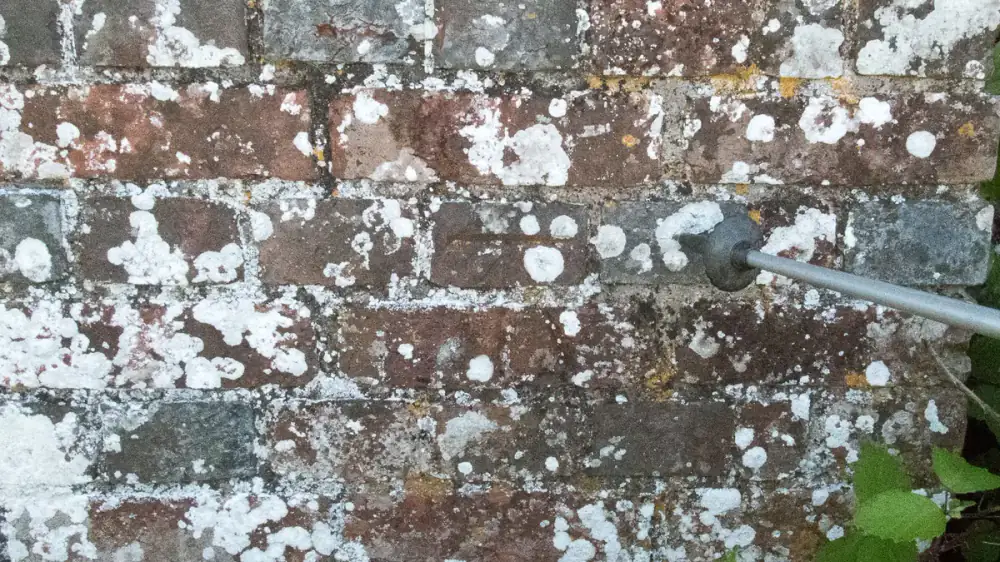
How to Remove Algae from Exterior Walls
That green film is a moisture problem, not just dirt. Here's why gentle cleaning beats blasting, how to protect plants and windows, and how to stop it coming back.
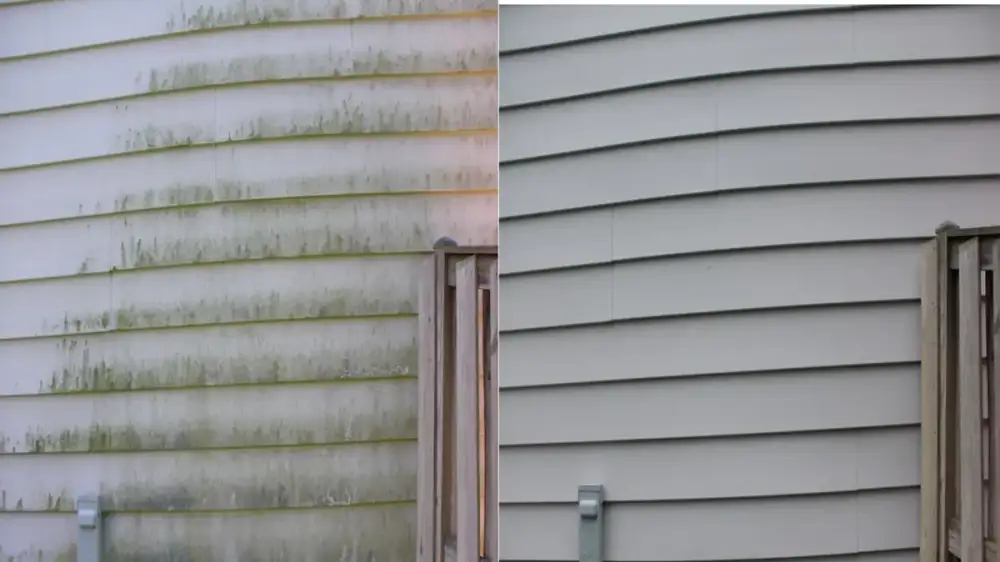
Can Pressure Washing Damage Siding?
The same force that strips dirt can crack panels, peel paint and push water into the wall. Here's how siding gets damaged — and the safer way to clean it.