How to Clean Stucco Safely
Stucco looks tough, but it's porous and easily damaged. High pressure can chip it, gouge it, and drive water into the wall behind it. Here's the gentle way to clean it.

Clean stucco with soft washing, not a pressure washer. Because stucco is porous and delicate, high pressure can chip, gouge and erode the surface and drive water into the wall behind it. Instead, wet the wall, apply a masonry-safe cleaning solution, let it dwell, agitate gently with a soft brush, and rinse at low pressure. Treat algae as living growth with the right solution, and test any cleaner on a hidden spot first.
There's a particular kind of exterior-cleaning damage that's almost always self-inflicted, and stucco is where it happens most. The wall looks like cement — hard, monolithic, built to shrug off anything — so out comes the pressure washer, and the result is chipped texture, gouged patches, and, worst of all, water forced into the wall behind. The appearance is the trap. Stucco is far more porous and far more delicate than its surface suggests, and cleaning it safely starts with respecting that gap between how it looks and how it behaves.
The porous truth behind the tough surface
Stucco's surface is absorbent and textured, and that single property drives everything else. The porosity is what lets the wall soak up dirt and hold the moisture that feeds algae and mildew in the first place — and it's exactly why force is the wrong response. A high-pressure stream doesn't clean a porous surface so much as attack it: it erodes the texture, chips the finish, and pushes water and grime deeper into a material that readily absorbs both. The real damage is the part you can't see, when water gets driven behind the stucco into the wall assembly and does its work out of sight. Understanding that porosity isn't a detail — it's the whole reason the rest of this article looks the way it does.
Soft washing, step by step
Soft washing exists for precisely this situation: it applies a cleaning solution at low pressure and lets the chemistry, not the force, do the lifting. Work in the shade where you can, so the solution doesn't flash-dry on the wall before it's done its job.
- Wet the wall first. Pre-wetting keeps the thirsty stucco from drinking the cleaner straight in, and helps the solution spread and work evenly.
- Apply a masonry-safe cleaning solution. Follow the product label, and test a small, hidden patch first to confirm the finish takes it without dulling or discoloring.
- Let it dwell. Give the solution real time to break down dirt and organic growth — but don't let it dry on the surface.
- Agitate gently. A soft-bristle brush, used only where a stain needs coaxing and with a light touch, is as aggressive as this ever gets.
- Rinse at low pressure. A garden hose or low-pressure rinse clears the solution and the loosened dirt without eroding a thing.
Patience is the entire strategy. If a stain won't lift on the first pass, a second gentle application beats reaching for more pressure every time.
Green growth is biology, not grime
The green and black staining so common on shaded stucco isn't surface dirt — it's living growth, and stucco's moisture-holding porosity makes it unusually hospitable to it. Blasting only knocks off the visible layer and leaves the spores behind, so it returns, often faster than before. Treat it as a chemistry problem instead: apply a suitable solution, let it dwell, agitate gently, rinse.
The method mirrors the general approach to removing algae from exterior walls. Just as important is asking why the growth is there at all — shade, poor airflow, trapped moisture. The same forces that explain why green growth keeps returning on siding apply to stucco, and slowing the regrowth means improving those conditions, not just cleaning more often.
What never belongs near stucco
Some tools and shortcuts do more harm than the dirt they're meant to remove. Keeping these off your stucco is half of cleaning it safely.
| Avoid | Why |
|---|---|
| High-pressure washing | Chips, gouges and erodes the texture; drives water into the wall |
| Stiff or wire brushes | Abrade the surface and dislodge the texture permanently |
| Harsh, untested chemicals | Can strip or dull painted and integral-color finishes |
| Scrubbing hard on set stains | Damages the surface faster than it lifts the stain |
| Letting cleaner dry on the wall | Leaves residue and can streak the finish |
When the stain is really a symptom
Cleaning day puts you close enough to the wall to notice things that aren't dirt at all — and cleaning over them only buys a little time before they resurface. Cracks in the stucco, especially widening or stair-step ones, are pathways for water and a repair question, not a cleaning one. Bubbling, flaking or soft patches suggest moisture may already be behind the surface. Staining that returns almost as fast as you remove it points to an ongoing moisture or drainage problem feeding it. A white, chalky, salty film — efflorescence — is a sign of water actually moving through the wall and carrying minerals to the surface. And areas that sound hollow or feel loose may mean the stucco is separating from the wall behind it. Each of these is telling you the same thing: the wall needs looking at, not just washing.
Handing it off
Plenty of stucco cleaning is a reasonable weekend job, but a few situations tip the balance toward hiring out. High or second-story walls raise both the fall risk and the odds of driving water behind the stucco from an awkward angle. Any of the symptoms above — cracks, soft patches, efflorescence, moisture behind the surface — is a reason to get the wall assessed rather than cleaned over. Large areas that need cleaning solutions applied and contained responsibly are more than a hose-and-bucket job. And staining that keeps returning despite your best efforts usually means there's a deeper moisture problem worth diagnosing. Background on the stucco material and the broader exterior cleaning guidance can help you judge when the work has moved past routine and into repair.
Frequently asked questions
Can you pressure wash stucco?
It isn't recommended. Stucco is porous and its textured surface is easily chipped, gouged and eroded by high pressure, which can also force water into the wall behind it. The safer approach is soft washing — a cleaning solution applied at low pressure — or gentle hand cleaning. Force is the wrong tool for a delicate, absorbent surface.
What's the safest way to clean stucco?
Soft washing. You wet the wall, apply a cleaning solution suited to masonry, let it dwell so the chemistry does the work, gently agitate stains with a soft brush, and rinse at low pressure. This cleans the surface and treats organic growth without the erosion and water intrusion that high pressure causes on porous stucco.
How do I remove algae or green stains from stucco?
Treat it as living growth, not dirt. Apply a suitable cleaning solution, let it dwell so it can break the growth down, agitate gently, and rinse. Blasting green growth with force just spreads spores and it returns. Addressing the moisture and shade that let it grow slows its return more than any single cleaning.
Will cleaning stucco damage the paint or finish?
It shouldn't if you clean gently. Harsh chemicals, stiff brushes and high pressure can all strip or dull a painted or integral-color finish. Test any cleaner on a hidden spot first, use soft tools, and rinse thoroughly. The goal is to lift dirt and growth without disturbing the coating or the stucco surface underneath.
Why does stucco stain so easily?
Because it's porous. Its absorbent, textured surface readily takes in water, dirt and organic growth, and holds moisture that feeds algae and mildew, especially on shaded or north-facing walls. That same porosity is why it needs gentle cleaning: force drives water and grime deeper rather than lifting them out.
Can I use a stiff brush to scrub stucco?
Use a soft-bristle brush and a light touch. Stiff or wire brushes can abrade the surface, dislodge the texture and leave marks that don't come out. Let the cleaning solution and dwell time do most of the work, then agitate gently only where needed. Patience protects the finish better than scrubbing hard.
How often should stucco be cleaned?
Many stucco walls need only occasional cleaning — every few years — unless they face damp, shaded conditions that grow algae, in which case more frequent attention helps. Let the wall's condition guide you rather than a fixed schedule, and address staining while it's light, when gentle cleaning is most effective.
Related reading

Pressure Washing vs Soft Washing
One relies on force, the other on cleaning solution at low pressure. Matching the method to the surface is what protects siding, roofs and trim.
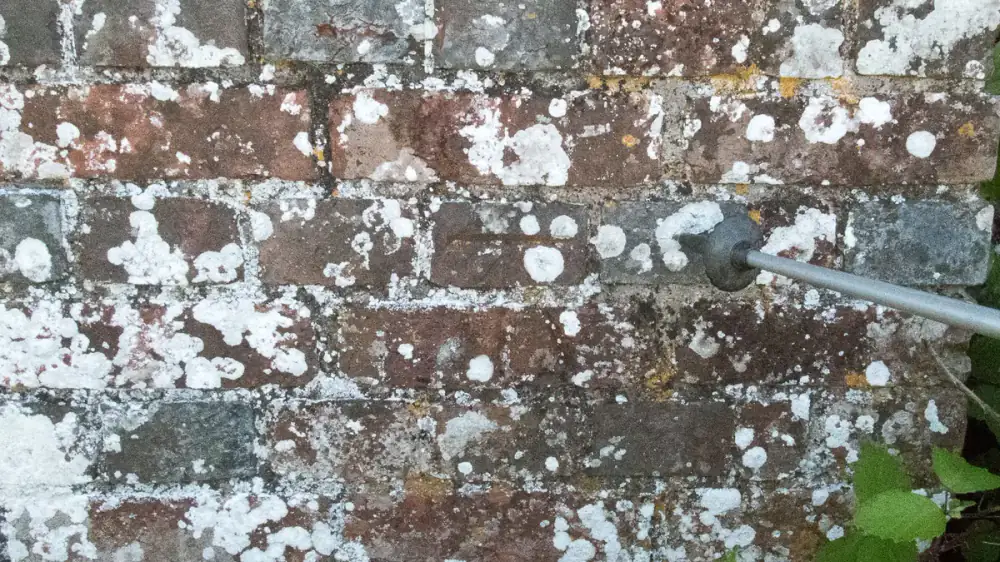
How to Remove Algae from Exterior Walls
That green film is a moisture problem, not just dirt. Here's why gentle cleaning beats blasting, how to protect plants and windows, and how to stop it coming back.
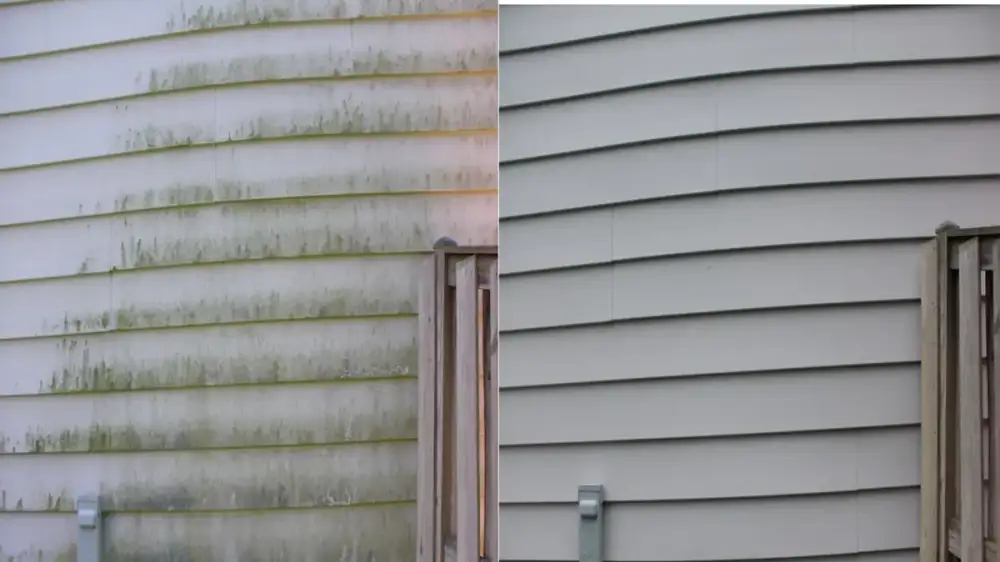
Can Pressure Washing Damage Siding?
The same force that strips dirt can crack panels, peel paint and push water into the wall. Here's how siding gets damaged — and the safer way to clean it.