Stucco: Exterior Care and Cleaning
Stucco is durable and fire-resistant, but it's porous, crack-prone and easily damaged by high pressure. Here's how to clean and maintain a stucco exterior without harm.
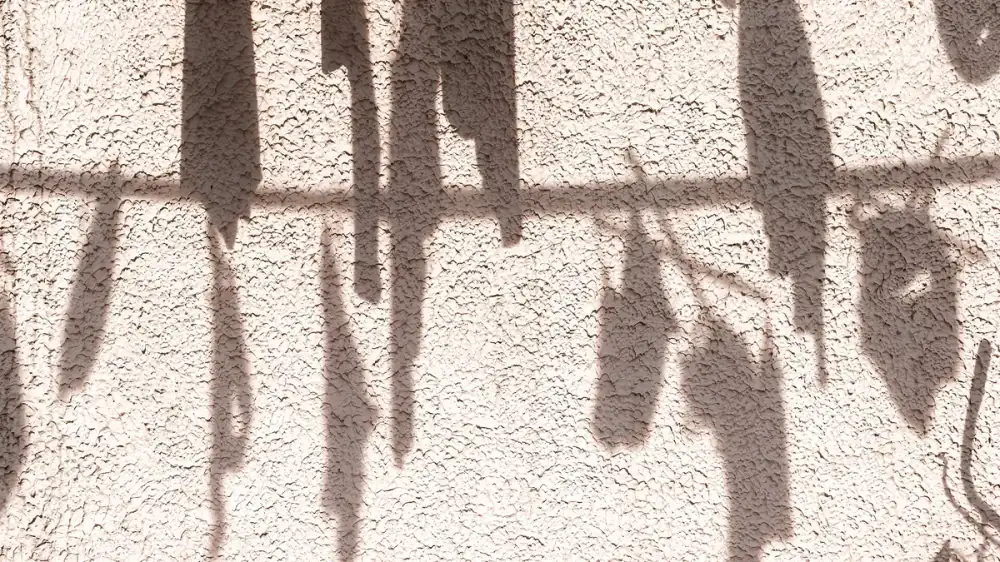
Stucco is durable and fire-resistant, but it's porous and crack-prone, and its textured surface erodes easily under high pressure. Clean it by soft washing — a masonry-safe solution, a soft brush and a gentle rinse — and keep high pressure off it. The real enemy of stucco is water getting into cracks and behind the wall, so sealing cracks and managing drainage matter more than any cleaning routine.
Stucco is a cement-based plaster troweled onto a wall in coats, and its appeal is easy to see: a seamless, sculptural surface that resists fire and lasts for decades. What's easy to miss is that its two defining traits are also its two vulnerabilities. It is porous, so it holds moisture and shows every stain. And it is rigid, so it cracks. Nearly everything worth knowing about caring for stucco flows from those two facts — and, importantly, from the order in which they matter.
Here is the counterintuitive part. The thing homeowners tend to focus on, cleaning, is the least consequential part of stucco care. The thing that actually decides whether a stucco wall lasts is what happens with cracks and water. So we'll take them in that order.
Cracks and water are the whole story
Stucco is porous by design. In a sound wall it absorbs a little moisture and lets it evaporate straight back out — that breathability is a feature, not a flaw. Trouble arrives only when water gets trapped or channeled somewhere it can't dry: into a crack, behind failed flashing, or under a coating that can't breathe. Trapped moisture is what drives efflorescence, staining, and, in freeze-thaw climates, actual surface breakup.
The cracks are the critical path. Fine hairline cracks are normal and largely cosmetic — the product of settling, drying and temperature swings in a rigid material. But even a hairline crack widens over the years, and a wider one becomes a doorway. Water that gets behind the stucco can rot sheathing and framing entirely out of sight, so that the first symptom you notice is interior damage rather than a mark on the wall. This is exactly why crack sealing and good drainage are the heart of stucco maintenance, and why they come before any discussion of soap and brushes:
- Seal cracks promptly. Fill hairline and small cracks with an appropriate patching or elastomeric product before water finds them.
- Maintain flashing and sealant at windows, doors, the roofline and every penetration, where most intrusion begins.
- Manage drainage so gutters, downspouts and grading carry water away from the walls rather than against them.
- Keep the ground line clear, since soil and mulch banked against stucco wick moisture straight into it.
- Recoat with a breathable product when the finish fades — and repair the cracks first.
Traditional cement stucco and synthetic EIFS-style systems look alike from the street but behave differently underneath; both, though, share the porous, crack-sensitive surface described here.
Cleaning without eroding the texture
Only once the water side is handled does cleaning become the pleasant, low-stakes job it should be. Stucco's texture is what gives it character, and it's also what grabs and displays dirt — organic growth in the damp low spots, efflorescence hazing across the surface, atmospheric grime settling into the relief, water streaks, rust runoff from metal fixtures, and splash staining at grade. The texture that shows all this is the same texture that aggressive scrubbing destroys, which is why gentle chemistry beats muscle every time here.
The safe method is short:
- Rinse loosely with plain water to loosen surface dust and pre-wet the wall.
- Apply a masonry-safe cleaning solution — mild detergent, or a diluted bleach solution for organic growth, kept well off plants.
- Agitate gently with a soft-bristle brush, working the texture without gouging it.
- Let it dwell briefly, keeping the surface wet.
- Rinse gently from the top down at low pressure.
- Spot-test anything stronger in a hidden area first.
For green growth specifically, the approach in removing algae from exterior walls transfers directly to stucco.
Why the pressure washer stays in the shed
If there's one tool to keep away from stucco, it's the pressure washer at full strength. A concentrated stream chips, gouges and erodes the porous surface, and — worse — it drives water directly into any crack, which is the precise thing you spent the crack-sealing effort trying to prevent. So stucco lives firmly on the delicate end of the cleaning scale, and soft washing is the default: solution, soft brush, gentle rinse.
If a pressure washer is used at all, it should run at low pressure with a wide fan tip, held well back and kept moving, and never aimed into cracks or up under trim. Our comparison of pressure washing versus soft washing explains why porous materials favor the gentler method — the same logic that applies to brick applies to stucco.
Reading the wall
Because stucco shows moisture so readily, the wall itself is a fairly honest diagnostic once you know how to read it:
| What you see | What it usually means |
|---|---|
| Hairline cracks | Common and largely cosmetic — seal to keep water out |
| Wide or stair-step cracks | Movement or settlement — worth evaluating |
| White chalky residue | Efflorescence — moisture moving through the wall |
| Streaking below windows or roofline | Water running across the wall from a failed detail |
| Bulging, soft or hollow spots | Water trapped behind the stucco — a serious sign |
| Persistent green or black growth | Chronic dampness and shade |
Hairline cracking and a little efflorescence are ordinary. The signs that warrant a professional look are the ones pointing to trapped water or a failing substrate: spreading cracks, streaking that traces back to a failed flashing, and above all bulging, soft or drummy areas that sound hollow when tapped. Those aren't surface problems.
Handle the cracks and the water, and stucco quietly delivers on its reputation — comparable to other masonry in raw durability, clearly ahead of painted wood against weather, fire and insects, and good for decades. Its lifespan is governed almost entirely by water management rather than the material wearing out. Let cracks go unsealed or drainage fail, and intrusion becomes the limiting factor long before the stucco itself would ever give up.
Related guides
- Pressure washing vs. soft washing
- How to remove algae from exterior walls
- Efflorescence: white residue on brick
- Brick: exterior care and cleaning
- Concrete: exterior care and cleaning
Common questions
Can I pressure wash stucco?
Very cautiously, and usually not at high pressure. Stucco is porous and its textured surface is easy to erode, chip or gouge with a concentrated stream, and pressure drives water into any cracks. Soft washing — cleaning solution, a soft brush and a gentle rinse — is the safer default. If you use a pressure washer at all, keep it at low pressure with a wide tip, well back from the surface. See pressure washing vs. soft washing.
How do I remove algae and mildew from stucco?
Apply a mild, masonry-safe cleaning solution or a diluted bleach solution with a soft brush, let it dwell, and rinse gently. Because stucco is porous, avoid harsh scrubbing that erodes the texture, and keep bleach off plants. Improving drainage and sunlight in that spot slows regrowth. Our algae guide covers the method.
Why is my stucco cracking?
Fine hairline cracks are common and largely cosmetic — stucco is rigid and small cracks come from settling, drying and temperature swings. Wider cracks, stair-step cracks, or cracks that keep growing matter more because they let water in behind the stucco. Sealing small cracks and having larger or spreading cracks evaluated keeps water out of the wall.
What is the white residue on my stucco?
That chalky white deposit is usually efflorescence — mineral salts brought to the surface as water moves through the stucco and evaporates. It's cosmetic but signals moisture passing through the wall. Dry-brushing removes most of it; the durable fix is reducing the water source behind it.
Can stucco be painted or sealed?
Yes — stucco is often painted or coated with an elastomeric or masonry finish that adds color and helps bridge fine cracks. The key is using a breathable product so moisture inside the wall can still escape. A non-breathable coating can trap water and cause damage. Repair cracks and clean the surface before painting.
Why is my stucco stained below windows and at the roofline?
Streaking below windows, at the roofline, and around penetrations usually means water is running across the stucco from failed flashing, sealant or drainage. Because stucco is porous and shows staining readily, these marks are often the first visible clue to a water-management problem worth tracing back to its source.
You might also like
Metal Roof Edges and Drip Edge
Drip edge and metal roof-edge trim quietly protect the fascia, decking and gutters. Here's what they do and how to keep them working.

Composite Decking: Care and Cleaning
Composite decking is low-maintenance, not no-maintenance. Here's how to clean it, remove stains and avoid damaging the boards.
Natural Stone: Exterior Care and Cleaning
Natural stone is the most durable exterior surface, but some stones etch or stain easily. Here's how to clean and care for it safely.