Oxidation on Siding and Metal: What to Do
That chalky, faded film on vinyl siding and aluminum isn't dirt — it's oxidation, the finish itself breaking down. Whether you can clean it or need to restore it depends on how far it's gone.
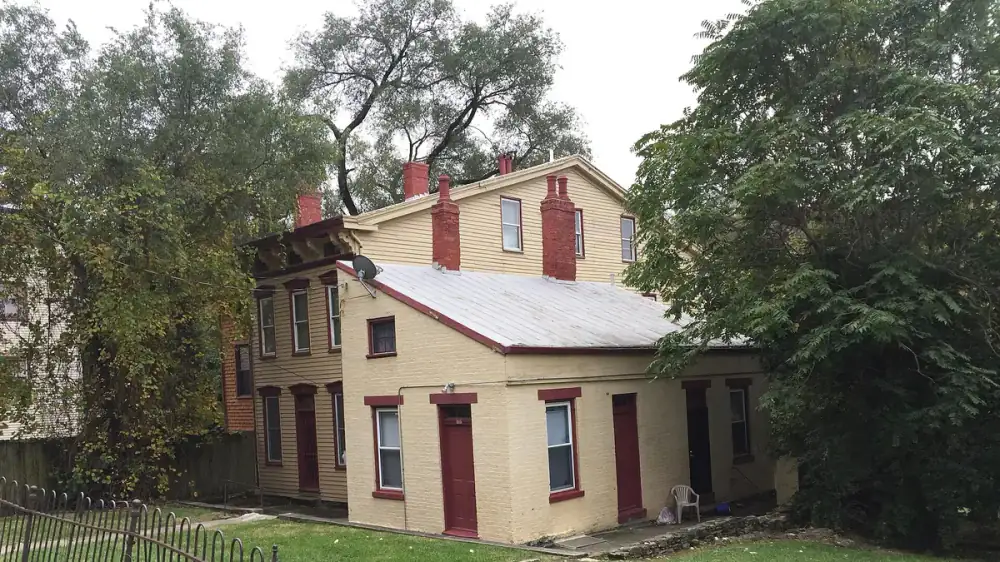
The chalky, faded film on vinyl and aluminum is oxidation — the finish breaking down, not dirt on top of it. Confirm it by wiping with a dark cloth: powder means oxidation. Light oxidation usually cleans off with a mild solution, a soft brush and a thorough rinse. Deep oxidation is a restoration question — a renewing product, paint, or replacement — because no wash rebuilds a degraded finish. Soft wash it; never reach for high pressure.
Run a hand down the siding and it comes away powdered white, the wall behind it flat and washed-out no matter how hard you scrub. That chalk is the tell. Oxidation looks enough like dirt to fool almost everyone into treating it like dirt — and the treatment fails, every time, because the two are not the same kind of problem. Dirt lands on a surface. Oxidation is the surface coming apart. Once you accept that difference, the entire question stops being "how do I clean this?" and becomes "is this still a cleaning job at all?"
The finish, not the film
Oxidation is what sun, air, and years do to a finish. Ultraviolet light and weather slowly degrade the outer layer of a material until it loses cohesion at the surface. On vinyl siding that shows up as a chalky bloom and a fading of the original color. On aluminum siding and other metal it reads as a dull, powdery haze where the protective layer is breaking down. In both cases the powder you feel is not something that arrived from outside — it is the material itself, shedding. That is the whole reason there is a ceiling on what washing can accomplish, and knowing where that ceiling sits is what tells you whether you are looking at an afternoon with a brush or a larger project.
The dark-cloth test
Before deciding anything, settle the diagnosis. Wipe the surface with a clean, dark cloth and read what comes off. A chalky, powdery residue on the cloth, over a wall that looks faded and dull, is oxidation. Grime and streaks that lift with soap and water are just dirt. The catch is that most walls carry both at once — a layer of ordinary dirt sitting over an oxidized finish — so the honest move is to clean first and then look again. Now and then a wall that seemed heavily oxidized turns out to be mostly grimy, and now and then a good wash reveals oxidation you had not noticed was there.
Clean or restore: the decision that governs everything
This is the fork in the road, and where a surface lands on it depends entirely on how far the oxidation has progressed.
| Situation | What it needs |
|---|---|
| Light chalky film, color mostly intact | Gentle cleaning to lift the film |
| Moderate oxidation, noticeable fading | Clean first, then assess for a renewing product |
| Heavy, deep fading; chalk returns fast | Restoration — a renewing product, paint, or replacement |
| Metal with a failing protective coating | Clean, then re-coat or repaint to protect it |
The sensible sequence is always the same: start gentle, then assess. Cleaning strips the loose chalk and refreshes the look, and for light oxidation that may genuinely be the end of it. But if the wall still reads deeply faded once it is clean and dry, you have crossed into restoration territory, and no amount of further washing will rebuild a finish that has already broken down.
Doing the gentle clean
Light oxidation responds well to a patient, low-pressure approach — the same soft-wash logic laid out in pressure washing versus soft washing.
- Rinse to carry off loose dirt.
- Apply a mild solution suited to the material, following the label, and test a hidden spot before you commit.
- Let it dwell, then lift the chalky film with a soft-bristle brush.
- Rinse thoroughly from the top down until the runoff carries no more chalk.
- Assess the clean, dry surface and decide whether cleaning was enough.
For vinyl, this overlaps almost completely with routine vinyl siding cleaning — mild solution, soft tools, careful rinse.
Why force is exactly the wrong instinct
High pressure fails on oxidation twice over. It does not help, because a degraded finish cannot be blasted back into being — the color is gone at the material level, not hidden under a crust. And it does real harm: pressure can crack vinyl, drive water behind panels, and deepen the damage to a surface that is already weakened. The dangers laid out in pressure washing damaging siding apply to sound walls and multiply on oxidized ones. Soft washing gives you the entire benefit with none of that downside, which is why it is the only method that makes sense here.
Metal is its own case
Metal deserves a separate note, because oxidation there means the protective coating is failing, not just the color fading. Clearing the powdery haze is only the opening move. To actually protect the metal you have to restore the barrier — re-coating or repainting so bare, oxidizing metal is not left exposed to keep degrading. Clean it and stop, and you have simply revealed fresh metal to the weather; the oxidation continues underneath.
Reading the limits, and knowing when to hand it off
A few signs mark the edge of what cleaning can do. Chalk that returns quickly after a wash means the oxidation runs deep. Uneven, pronounced fading — worst on sun-facing walls — points toward restoration or repainting. Cracking or brittleness in vinyl is beyond any cleaner's reach, and bare or corroding metal where the coating has failed needs re-coating to be protected. The plainest sign of all is a finish that looks no better once it is clean: that is the ceiling, reached.
At that point it is worth bringing in a professional — and also worth it when the siding is high or on a second story, where both soft washing and any restoration happen off the ground; when restoration, repainting, or replacement is genuinely on the table; when metal needs re-coating to be properly sealed; or simply when you cannot tell whether you are looking at a cleaning job or a restoration one. The vinyl siding material notes and the broader exterior cleaning overview can help you judge, but on a large or badly faded wall an in-person assessment takes the guesswork out of a decision that determines whether you spend an afternoon or a season on it.
Questions people also ask
What is oxidation on siding and metal?
Oxidation is the gradual breakdown of a surface's finish from exposure to sun, air and weather. On vinyl siding it shows as a chalky, faded film; on aluminum it appears as a dull, powdery haze. Unlike dirt, which sits on top, oxidation is the finish itself degrading, which is why it needs a different approach than ordinary washing.
How can I tell oxidation from dirt?
Wipe the surface with a clean, dark cloth. If a chalky, powdery residue comes off and the surface looks faded and dull rather than grimy, that's oxidation. Dirt streaks and washes off with soap and water; oxidation leaves a persistent haze and that telltale chalk on your hand or cloth. Many walls have both at once.
Can oxidation be cleaned off?
Light oxidation can often be reduced with a gentle cleaning — a mild solution, a soft brush, and a thorough rinse to remove the chalky film. Heavier oxidation, where the finish is deeply faded, is a restoration question rather than a cleaning one. Cleaning removes the loose chalk and improves appearance, but it can't rebuild a finish that has broken down.
What's the difference between cleaning and restoring oxidized siding?
Cleaning removes the chalky surface film and refreshes the look, and it's the right first step for light oxidation. Restoring goes further — applying a product designed to renew the finish, or ultimately painting or replacing the siding — and is what heavier, deeper oxidation calls for. Start with gentle cleaning and assess; restoration is the answer when cleaning alone doesn't.
Can I pressure wash oxidized vinyl siding?
It's better to soft wash. High pressure can crack vinyl, drive water behind panels, and worsen a degraded surface. A low-pressure approach — mild cleaner, soft brush, thorough rinse — removes the chalky film without the risks. Force doesn't rebuild the finish anyway, so there's little to gain and real damage to lose.
Does cleaning oxidation off make siding look new again?
It depends on how far the oxidation has gone. Light oxidation often improves markedly once the chalky film is removed. Deep, long-standing oxidation may look better but won't return to new, because the finish itself has degraded. At that stage, restoring or repainting is what brings the color back, not cleaning.
How do I stop oxidation from coming back?
Oxidation is driven by sun and weather, so you can slow it but not stop it entirely. Regular gentle cleaning removes the chalky film before it builds up, and on metal, keeping a protective coating intact slows the process. South- and west-facing walls that get the most sun will always oxidize fastest and need attention sooner.
Related reading

Pressure Washing vs Soft Washing
One relies on force, the other on cleaning solution at low pressure. Matching the method to the surface is what protects siding, roofs and trim.
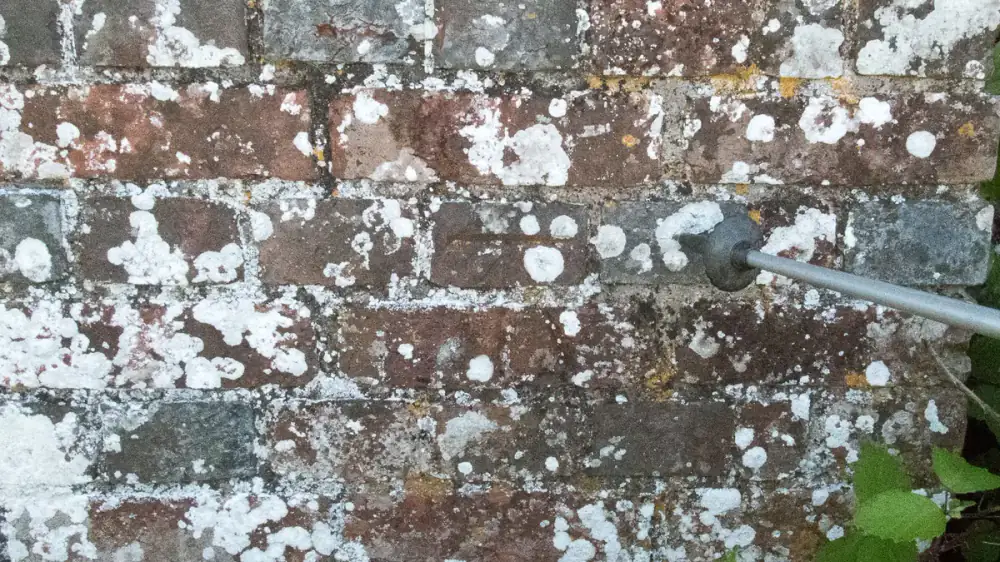
How to Remove Algae from Exterior Walls
That green film is a moisture problem, not just dirt. Here's why gentle cleaning beats blasting, how to protect plants and windows, and how to stop it coming back.
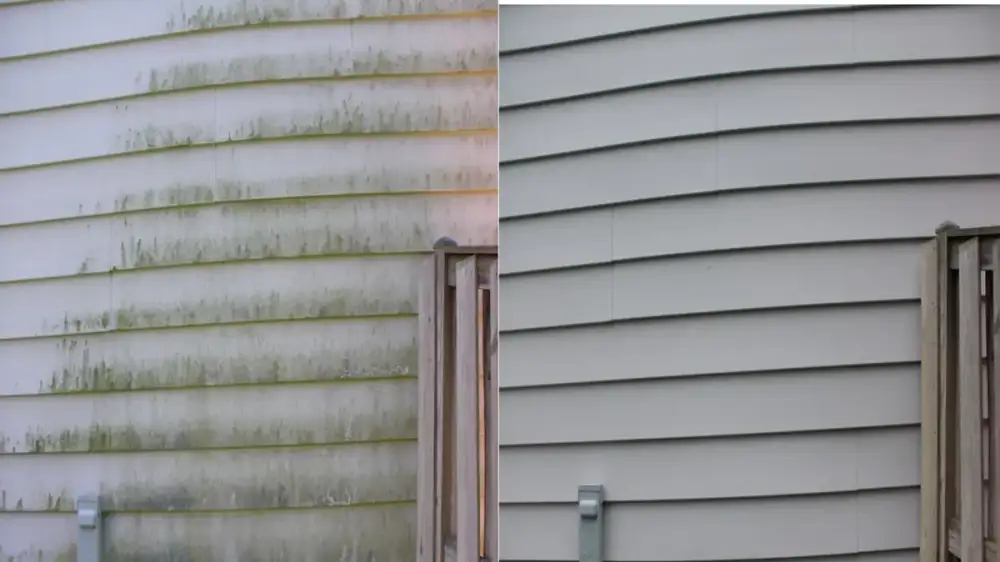
Can Pressure Washing Damage Siding?
The same force that strips dirt can crack panels, peel paint and push water into the wall. Here's how siding gets damaged — and the safer way to clean it.