How to Prioritize Repairs After a Home Inspection
A home inspection report can list dozens of exterior findings at once. Here is how to triage them — water first — so you fix what protects the house before what merely bothers you.

Triage exterior inspection findings by two questions: does it let water in, and will it get worse if ignored? Fix anything actively admitting water first, then anything that will worsen, then the cosmetic items. In short: water first, cosmetics last. Get a professional opinion on anything involving the roof, structure, or drainage before committing.
An inspection report is designed to be exhaustive, and exhaustive is exactly what makes it overwhelming. Whether you are buying, selling, or simply had one run for your own peace of mind, the exterior section alone can list dozens of findings, every one written in the same even, neutral tone — a hairline crack described in the same register as a rotted fascia board. The report is honest about what exists and silent about what matters most, and closing that gap is your job, not the inspector's. What follows is a framework for sorting the exterior findings so your effort and money land where they actually protect the house. Keep the exterior home maintenance glossary open beside the report for any term that trips you up.
Why water sits at the top of every list
Nearly every serious exterior problem either is a water problem or is on its way to becoming one. Water is what rots wood, feeds mold, and undermines foundations, and it does its worst work slowly and out of sight, which is precisely why it belongs at the head of any priority list — the damage is well advanced before it looks like anything. So make your first pass a single-minded one: find everything related to water getting into or pooling against the house, and move it to the top. Overflowing or disconnected gutters, a compromised roof edge, downspouts discharging at the foundation, ground sloping back toward the walls — all of it comes before anything cosmetic, without exception. To understand why the stakes are this lopsided, read how water damages a home exterior, and to see the path each finding sits on, how water sheds off your home.
Two questions that sort any finding
You do not need an engineer's eye to triage a report. For each exterior finding, ask two plain questions.
- Does it let water into the house, or send water against it?
- Will it get worse if left alone?
Then sort by the answers. Yes to both is the highest priority — active, worsening water intrusion, to be addressed first. Yes to one is medium — either a water issue that is currently stable, or a non-water problem that is nonetheless deteriorating; plan for it. No to both is the lowest priority — cosmetic and stable, free to wait for budget and convenience. That single sort is what turns an intimidating wall of findings into an ordered sequence you can actually work through.
How common findings tend to rank
The table below shows where typical exterior findings usually land. Treat it as a starting point that your inspector's notes and a specialist's opinion will refine — not a verdict on your specific house.
| Priority | Typical findings | Why it ranks here | Where to go next |
|---|---|---|---|
| Highest — fix first | Water actively entering; roof-edge or flashing failure; downspouts at the foundation; grading toward the house | Water intrusion that is already causing or compounding damage | Water pools near the foundation |
| High — plan soon | Clogged or sagging gutters; loose or worn drip edge; early fascia or soffit deterioration | Water problems not yet severe but headed there | A homeowner's guide to gutters |
| Medium — schedule | Heavy algae or growth on surfaces; failing caulk; minor surface wear | Protective and preventive, but not yet urgent | A homeowner's guide to exterior cleaning |
| Low — cosmetic | Stable stains, faded paint, minor blemishes with no moisture path | Appearance only; stable and non-worsening | Reading exterior warning signs |
Read the findings, not just the ratings
Inspectors flag and describe, but they do not always rank by what matters most to your particular home; a report may record a cosmetic crack and a soft fascia board in the same flat sentence structure. Read each finding through the water-first lens yourself, and a few habits sharpen the read. Group related findings — a clogged gutter, a stained fascia below it, and pooling at the base are often one problem described in three places, and fixing the root fixes all three. Follow the water story — trace findings along the path water takes, from roof to edge to gutter to downspout to ground, and you will often see how one failure is feeding the next. And separate the alarming from the actually serious — a dramatic-looking stain may be old and stable, while a modest soft spot may be active rot; reading exterior warning signs helps tell them apart. The failure to avoid here is the tempting one: a fresh coat of paint over an active leak hides the problem and lets it keep growing, which is the opposite of a repair.
When money forces a sequence
Almost no one fixes an entire report at once, and you do not have to. Sequence the work: stop active water intrusion first, then handle the items that will worsen, then take on the cosmetic list as funds allow. This is precisely the situation prioritizing exterior maintenance on a budget is written for. A word on cost, too: resist pricing the whole list in one anxious pass. What drives the cost of exterior repair is usually how far a problem has been allowed to progress and how accessible it is — a caught problem is cheaper than a deferred one, which is one more argument for the water-first order.
The findings that belong with a specialist
Prioritizing the report is something you can do from your desk with a ground-level look at the house. Acting on the top of the list usually is not. Anything involving the roof surface, structural elements, flashing, or grading and drainage should go to a qualified professional — both because these are the most consequential findings and because they are the hardest to evaluate and repair safely from anywhere but solid footing. A finding you cannot examine without climbing is, by itself, a finding to hand off. Before you hire, how to evaluate an exterior contractor helps you choose well, and diy vs. professional exterior work helps you draw the line between what you take on and what you pass along.
Questions homeowners ask
Why should water problems always come first?
Because water causes the most damage and the fastest-compounding damage. A clog or a bad drainage point can quietly rot wood, undermine a foundation, or feed mold long before it looks serious. Cosmetic issues wait patiently; water problems do not. Fixing the water path first protects everything else on the list.
The report lists dozens of items. Do I have to fix them all?
Not all at once, and not all with equal urgency. An inspection report is a snapshot of everything observed, not a demand list. The skill is sorting it: what threatens the structure, what will get worse if ignored, and what is simply cosmetic. This page gives you a framework for that sort.
How do I tell a serious finding from a minor one?
Ask two questions: does it let water into the house, and will it get worse if left alone? A finding that answers yes to both is a priority. A finding that answers no to both — a cosmetic blemish that is stable — can wait. Anything involving the roof, structure, or drainage leans toward serious.
Should I trust the inspector's own severity ratings?
Use them as a starting point, not the final word. Inspectors flag and describe; they do not always rank by what matters most to your particular home. Read the findings yourself through the water-first lens, and get a specialist's opinion on anything major before committing to a repair.
What if I cannot afford to fix everything right away?
Sequence the work. Handle anything actively letting water in first, then anything that will worsen, then the cosmetic items as budget allows. Our guide on prioritizing exterior maintenance on a budget walks through stretching limited funds across a long list.
Which findings should always go to a professional?
Anything involving the roof surface, structural elements, flashing, or grading and drainage. These are both the most consequential findings and the ones hardest to evaluate and fix safely. Get a qualified opinion before acting on any major exterior item.

Prioritizing Exterior Maintenance on a Budget
When funds are limited, spend where they prevent the most damage. Here is how to rank exterior tasks so a small budget does the most good.
Reading Exterior Warning Signs
Most exterior problems announce themselves early. Here is how to read the signs across the whole house and where each one points.
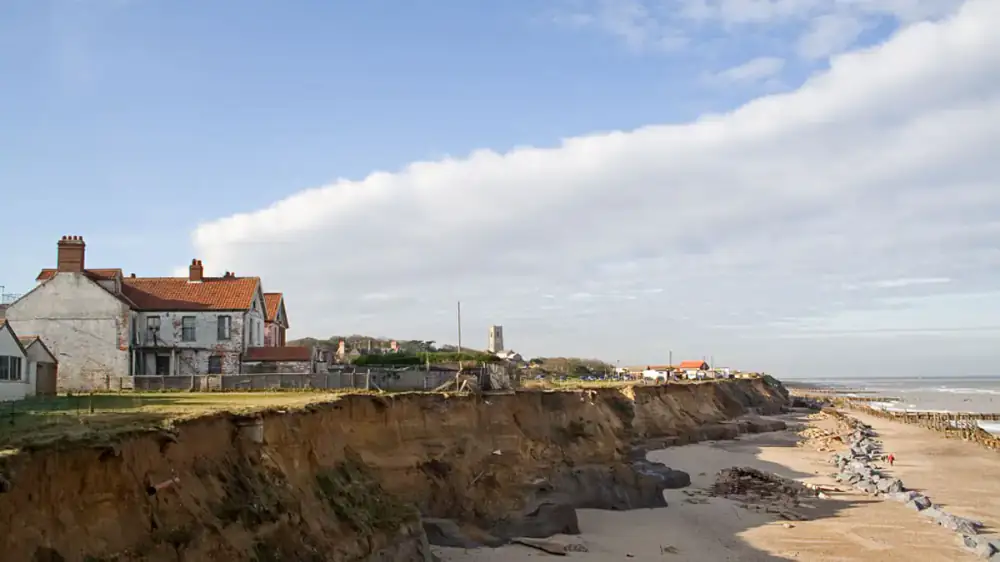
Exterior Maintenance for Coastal Homes
Salt air, corrosion and wind-driven rain make coastal homes their own category. Here is how to rinse, choose materials and check more often.