A Homeowner's Guide to Exterior Cleaning
How to clean the outside of your home without damaging it — matching the method to the surface, from soft washing siding to clearing algae and concrete.

The whole craft of exterior cleaning comes down to one habit: let the surface decide the method, not the machine you happen to own. Nearly everything on a house — siding, painted trim, roofs — wants low-pressure soft washing, which dissolves growth rather than blasting it. High pressure belongs only on the hardest, most durable materials. This page is the map; the links lead to the surface-by-surface detail.
There is a tempting logic to a pressure washer: point it at something dirty, pull the trigger, watch the grime vanish. The trouble is that the same force that lifts dirt also lifts paint, granules, mortar and the outer skin of soft wood. Cleaning a house well is less about power than about restraint — reading what you are looking at and choosing the gentlest thing that works. Get that instinct right and cleaning becomes a form of maintenance. Get it wrong and it becomes the fastest way to age a house prematurely.
Cleaning is a moisture problem in disguise
It helps to understand why any of this matters beyond appearance. Algae, moss and grime are not just unsightly; they are sponges. They hold a film of water against whatever they cling to, and surfaces that never dry are surfaces that slowly rot, corrode or spall. Seen that way, a wash is not cosmetic upkeep — it is you removing the thing that keeps a wall wet. That reframing is worth carrying into every decision below, because it explains why the goal is a dry, clean surface, not merely a shiny one, and why the method you pick to get there cannot itself leave water trapped behind the wall. The larger version of this story is in how water damages a home's exterior.
Two tools, two philosophies
Almost every cleaning mistake traces back to confusing two fundamentally different approaches.
Pressure washing does the work with kinetic force. The water itself scours the surface, which is fine on materials tough enough to take it and disastrous on materials that are not. Soft washing does the work chemically: a mild solution breaks growth and grime down at the molecular level, dwells for a few minutes, then rinses away under low pressure. One relies on impact; the other relies on chemistry and patience.
For the overwhelming majority of a house, chemistry wins. Read pressure washing vs soft washing for the trade-off in full, then how soft washing works to see why the gentle route usually cleans better, not just more safely — solution reaches into texture that a spray tip skips right over.
A surface-by-surface field guide
Once you have accepted that the material dictates the method, the rest is a matter of knowing your materials.
- Siding is the everyday job. The danger is not the front face but the seams: aim upward and you drive water behind the panels, where it does invisible harm. Keep the spray angled down and the pressure low. Material notes live in vinyl siding, and gentler substrates in fibre cement siding.
- Algae-stained walls — those flat black or green patches — respond to solution, not scrubbing. Elbow grease barely touches them; a proper soft-wash treatment does. See how to remove algae from exterior walls.
- Concrete feels bulletproof and is not. Too tight a spray tip held too close will etch and pit it in visible stripes. There is a right way; how to clean concrete without damaging it lays it out.
- Masonry and stucco are porous, which means they both hold growth and absorb whatever you spray. Treat them as delicate. Start with stucco.
Before you rent anything, it is worth knowing the surfaces that pressure ruins outright — aging siding, wood, stucco, tired mortar, shingles. Exterior surfaces that should not be pressure washed is the short list to memorize.
Why the green stuff always comes back
The single most common complaint in exterior cleaning is that growth returns within a season, as if the cleaning never happened. It did happen — you removed the growth. What you did not remove were the conditions that grew it: shade, standing moisture and dead air. A north wall, a stretch under an overhanging branch, a corner where a downspout keeps the ground wet — these green up first and fastest no matter how often you scrub.
The durable fix is environmental, not chemical. Improve the drainage, trim the vegetation letting light and air reach the wall, and check that your gutters are not keeping the siding perpetually damp. Why green growth keeps returning on siding unpacks the cycle, and because overflow is a frequent culprit, a homeowner's guide to gutters is often the real cure for a wall that will not stay clean.
A quiet word about height
Everything above assumes your feet are on the ground, and that assumption is doing a lot of work. The instant a stain tempts you onto a ladder or, worse, onto the roof, the arithmetic changes: a cosmetic annoyance is not worth a fall. Roof cleaning in particular combines slope, slickness and fragile surfaces, and it is squarely professional territory. Ground-level walls and hard surfaces you can generally handle yourself with gentle methods; the high work you hand off. If a wash uncovers something structural underneath — soft wood, cracked stucco, paint failing over a rotten substrate — you have found a repair, not a cleaning task, and it should be treated as one.
Timing it right
Cleaning has a season, and working with it makes every job easier. Warm, dry weather lets solutions dwell without evaporating too fast and lets surfaces actually dry afterward, which is the whole point. Build the work into the year rather than reacting to it: the spring exterior maintenance checklist handles the grime winter leaves behind, and the summer exterior maintenance checklist opens the main window for the larger jobs. A wash timed to the weather lasts longer and goes faster than one forced at the wrong moment.
Your questions, answered
Is pressure washing safe for my house?
It depends entirely on the surface. Pressure washing suits hard, durable materials like some concrete and brick, but it can gouge wood, drive water behind siding, strip mortar and blast granules off shingles. For most home surfaces, low-pressure soft washing is the safer default.
What is the difference between pressure washing and soft washing?
Pressure washing relies on the force of the water to remove grime. Soft washing relies on cleaning solutions and low pressure to break down algae, mildew and dirt, then rinses gently. Soft washing is safer for siding, roofs and painted surfaces; pressure is reserved for hard, durable materials.
Why does green growth keep coming back after I clean it?
Because cleaning removes what you can see but not the conditions that let it grow — shade, moisture and poor airflow. Growth returns fastest on north-facing and damp walls. Addressing drainage and trimming back vegetation slows the return more than repeated scrubbing does.
Can I clean algae off my walls myself?
Ground-level walls are often a reasonable do-it-yourself job with gentle methods. The risk rises with height and with delicate surfaces. Anything requiring a ladder, roof access, or strong chemicals is worth reconsidering, and roofs in particular are best left to professionals.
Will cleaning damage my siding or paint?
It can, if the method is too aggressive. High pressure can crack or dent siding, force water behind panels, and strip paint. Matching the pressure and solution to the material — and testing an inconspicuous spot first — is how you avoid trading dirt for damage.
How often should I clean the exterior?
Most homes benefit from a wash once a year, usually in the warmer months, with spot cleaning of growth as it appears. Shaded, damp and coastal homes need it more often. The seasonal checklists build cleaning into the year at sensible points.
You might also like

Prioritizing Exterior Maintenance on a Budget
When funds are limited, spend where they prevent the most damage. Here is how to rank exterior tasks so a small budget does the most good.

Reading Exterior Warning Signs
Most exterior problems announce themselves early. Here is how to read the signs across the whole house and where each one points.
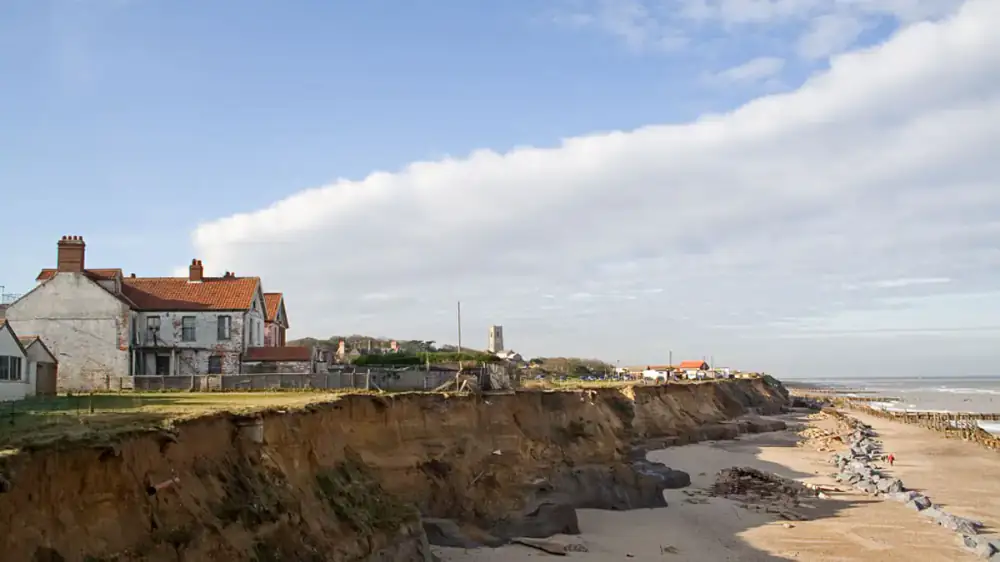
Exterior Maintenance for Coastal Homes
Salt air, corrosion and wind-driven rain make coastal homes their own category. Here is how to rinse, choose materials and check more often.