How Weather Affects Your Home's Exterior
Sun, rain, freeze-thaw, wind, and salt each wear on a house in a different way. Knowing how they work tells you what to watch for and when.
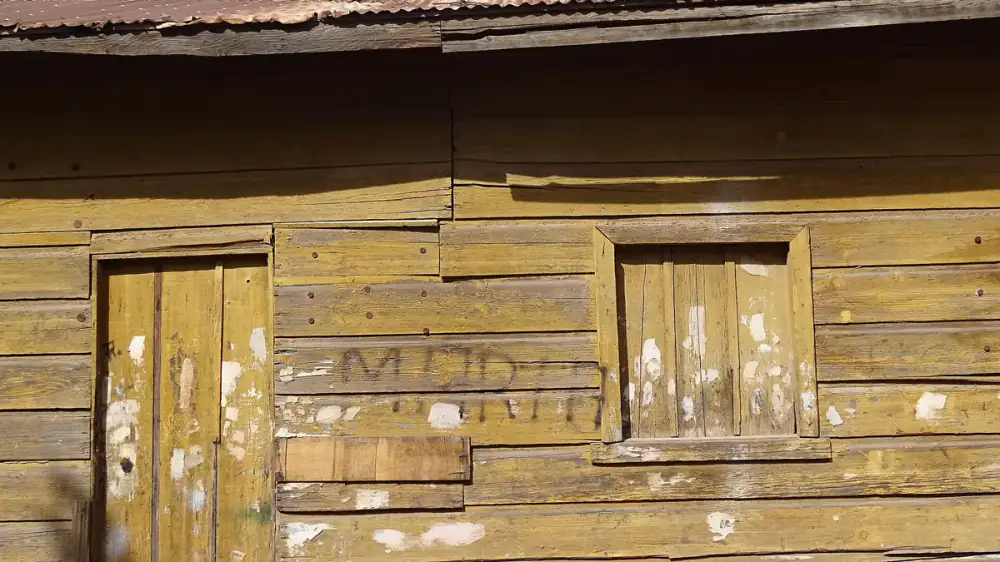
Every kind of weather wears on a house differently: sun embrittles and fades, water and freeze-thaw attack the structure, wind exploits weak spots, and salt corrodes. Knowing which forces your climate delivers most tells you what to watch for and how to weight your routine. In nearly every region, controlling water is the priority, because it does the most lasting damage.
A house is the only thing you own that stands outdoors around the clock for decades, taking whatever the sky sends without a break. Maintenance exists to answer that constant exposure. But "the weather" is not one thing wearing evenly on the house — it is several distinct forces, each working through its own mechanism and each aiming at a different weakness. Learn the mechanisms and the calendar stops being a chore list you follow on faith and becomes a set of choices you understand: you know why a task matters and, just as usefully, why some tasks matter far more where you happen to live.
The single most useful sorting is by what a force actually threatens. Some attack the structure; others only wear the surface. That distinction decides where your attention belongs.
| Force | How it works on the exterior | The tell to watch for |
|---|---|---|
| Rain | Soaks in wherever it finds a gap; feeds growth | Stains, algae, pooling, overflow at the roof edge |
| Freeze-thaw | Widens cracks as trapped water freezes and expands | New or growing cracks, spalling, flaking |
| Sun | Dries, embrittles, and fades materials and finishes | Fading, chalking, brittle or cracking surfaces |
| Wind | Finds and enlarges weak points; drives rain sideways | Loose edges, sagging gutters, damage after storms |
| Salt | Accelerates corrosion; degrades surfaces near the shore | Rust on metal, deterioration in coastal air |
The first two rows are the dangerous ones, and both are water. That is the theme running under everything below: nearly every structural problem traces back to water finding a way in. How water damages a home's exterior ties the whole picture together, and the exterior home maintenance glossary defines any term here that is new.
Water, in two forms
Rain is the most relentless force acting on any house, and managing it is the backbone of exterior care. Its damage is unglamorous and constant: it finds gaps and soaks in, and it feeds the algae and mildew that then trap still more moisture against the wall. The defenses are the ones you touch most often — clean gutters, sound downspouts, drainage that carries water away. Begin with a homeowner's guide to gutters and keeping water away from your foundation, because those describe exactly where rain most often turns into damage. In wet climates the growth rain encourages makes a homeowner's guide to exterior cleaning matter more than it does in dry ones.
Cold climates hand water a second, nastier form. Rain seeps into a small crack, freezes, expands, thaws, and repeats — and each cycle levers the crack a little wider. Over one winter a hairline flaw can become a real one, which is why sealing gaps and keeping water out counts for so much more in the north than the size of any single crack would suggest. The roof edge is the most exposed line of all; a homeowner's guide to the roof edge explains why getting it sound before the first freeze pays off, and why fall preparation carries extra weight wherever freeze-thaw is in play.
Sun, the patient embrittler
Sunlight is easy to dismiss because its work is slow and, at first, only cosmetic. But prolonged exposure dries out and embrittles many exterior materials and breaks down finishes, and the fading you notice is the visible face of that aging. South- and west-facing walls absorb the most of it. Sun rarely threatens the structure by itself — the mistake is assuming that means it can be ignored. A sun-worn, brittle surface is more vulnerable to everything else, water above all, so treat fading as a cue to look closer rather than a cue to simply repaint over it.
Wind, the opportunist
Wind seldom pulls a well-kept house apart. What it excels at is finding weaknesses and enlarging them. It drives rain sideways into gaps that vertical rain would never touch, lifts edges that are already loose, and loads the roof edge and gutters over and over until a marginal fastening finally lets go. Because so much of its damage surfaces only afterward, a post-storm look is worth making even when nothing obviously happened — assume nothing from a calm inspection you did before the storm. Fold a quick walk into your monthly exterior home checks, and always look again after significant weather.
Salt, the coastal tax
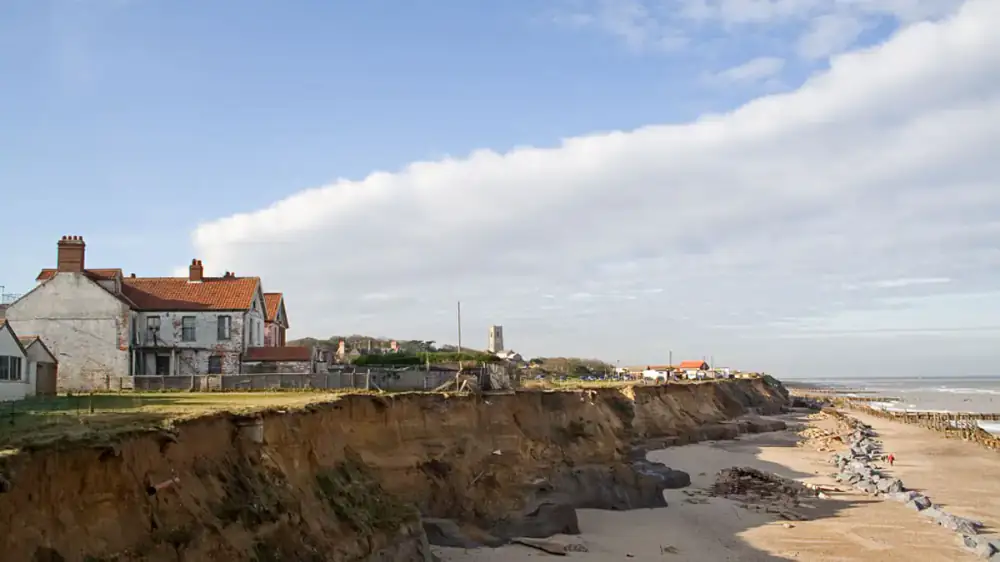
Near the coast, airborne salt adds a force most inland homes never meet. It speeds the corrosion of metal components and works into and degrades other surfaces, and because it settles and lingers, it keeps acting long after a storm passes — reaching, incidentally, well inland of the immediate shore, farther than many homeowners expect. Coastal homes benefit from more frequent rinsing and closer attention to any metal on the exterior. Learning to spot early exterior warning signs — rust, staining, deterioration — matters especially in salt air, where problems mature faster.
Weighting the routine to your sky
The payoff of understanding these forces is knowing where to spend limited attention. The underlying tasks are much the same everywhere; what shifts with climate is frequency and emphasis. Wet regions lean hardest on drainage and growth control. Cold regions lean on sealing gaps and preparing for the freeze in fall. Coastal areas lean on rinsing and corrosion checks. Build that weighting into a calendar with the year-round exterior maintenance schedule, then tailor it to your own house using creating an exterior maintenance plan. Whatever the mix your climate delivers, the constant is that catching weather-driven damage early keeps small problems from graduating into the kind that need a professional.
Your questions, answered
Which type of weather is hardest on a house?
It depends on your climate, but water in its various forms — rain, and especially freeze-thaw cycling — causes the most serious structural damage over time. Sun and wind do real harm too, but they tend to wear surfaces rather than threaten the structure. In most regions, controlling water is the top priority.
What is freeze-thaw and why is it so damaging?
Freeze-thaw is the cycle of water seeping into small cracks, freezing and expanding, then thawing and repeating. Each cycle widens the crack a little, so a tiny flaw becomes a real one over a winter. It is why sealing gaps and keeping water out matters far more in cold climates than the individual cracks might suggest.
Does sun really damage a house, or just fade the color?
Both. Beyond fading, prolonged sun exposure breaks down many exterior materials over time, drying out and embrittling surfaces and finishes. Fading is the visible warning that the material itself is aging, so a sun-worn wall is worth watching, not just repainting.
How does wind cause damage if nothing blows off?
Wind works by finding and enlarging weaknesses. It drives rain into gaps, lifts loose edges, and loads the roof edge and gutters repeatedly until a marginal fastening lets go. Its damage often shows up after the storm, which is why a post-storm look is worth the effort even when nothing obvious happened.
I live near the coast — what does salt actually do?
Airborne salt accelerates corrosion of metal components and can work into and degrade other surfaces. It also lingers, so it keeps acting between storms. Coastal homes generally benefit from more frequent rinsing and closer attention to any metal parts of the exterior.
How do I adjust my maintenance for my specific climate?
Start from a standard routine and lean harder on whatever your weather throws at the house most: drainage and growth in wet climates, sealing and fall preparation in cold ones, and rinsing and corrosion checks near the coast. The underlying tasks are the same; the frequency and emphasis shift.

Prioritizing Exterior Maintenance on a Budget
When funds are limited, spend where they prevent the most damage. Here is how to rank exterior tasks so a small budget does the most good.
Reading Exterior Warning Signs
Most exterior problems announce themselves early. Here is how to read the signs across the whole house and where each one points.
Exterior Maintenance for Coastal Homes
Salt air, corrosion and wind-driven rain make coastal homes their own category. Here is how to rinse, choose materials and check more often.