Gutter Guards: A Cost-Benefit Reality Check
The real question isn't whether gutter guards work. It's whether the work they save is worth what they cost you — and that answer changes house by house.

Gutter guards trade a bigger upfront cost for a smaller ongoing one — less frequent cleaning and fewer clog-related repairs. Whether that trade pays off is not universal. It swings on three things: your trees (heavy cover makes guards earn their keep), your roof (high and hard-to-reach raises their value), and your climate (cold winters cap what they deliver). On the right home the math works over time; on an open, easy-access lot it may never catch up.
Most gutter guard debates get stuck on the wrong question. "Do they work?" is easy — a decent guard, matched to the home, does reduce clogs and cleaning. The harder and more useful question is whether the work it saves you is worth what it costs. And unlike "does it work," that answer refuses to generalize. The same guard is a bargain on one house and a waste on the one next door.
So let's do the honest accounting. Not with invented dollar figures — those vary too much by region, roof and product to mean anything — but with the factors that actually move the math, and the situations where it tips one way or the other.
The trade you're actually making
A gutter guard doesn't eliminate cost; it shifts it. You pay more upfront — for the product and, often, professional installation — in exchange for paying less over time. The ongoing savings come in two forms: fewer cleanings than the several-times-a-year routine an open gutter can demand, and fewer of the expensive downstream problems that clogged gutters cause (overflow against the foundation, rotted fascia, water in the basement).
The whole question is whether those future savings, added up, exceed the upfront outlay before you sell the house or the guard needs replacing. That's it. Everything below is just the variables that decide how fast the savings accumulate — and they're the same variables that determine whether gutter guards are worth it in the first place.
Trees: the variable that moves the most
If one factor decides the outcome, it's what's growing over your roof. Guards save you money by making cleaning less necessary — so the more cleaning you'd otherwise need, the more a guard is worth.
- Heavy mature cover, especially pines, oaks and other prolific droppers, packs gutters fast. A home that needs cleaning several times a year is exactly where a guard's reduced frequency compounds into real savings. The fuller the trees, the faster the guard pays back.
- A few scattered trees put the math in the middle. A guard helps, but the cleaning it saves is modest, so the payback stretches out.
- An open lot with little overhanging debris is the hardest case for a guard's economics. There's simply not much for it to prevent, so an occasional hand-cleaning often wins on cost alone.
Because trees do so much of the work in this equation, it's worth understanding how trees affect gutter maintenance before you price anything. And the type of tree matters as much as the number — fine debris like pine needles behaves very differently from broadleaf litter, which changes both the guard you'd need and how well it performs.
Roof height and access: what cleaning really costs you
The cost side of "cleaning" isn't only money — it's risk and hassle, and both scale with your roof.
A single-story home with a gentle pitch and clear ladder footing is cheap to maintain by hand. You, or an inexpensive visit, can keep it clear, which means a guard is mostly buying convenience. The payback there is slow because the thing you're avoiding wasn't very costly to begin with.
A two- or three-story home, a steep pitch, or a cut-up roofline with dormers and valleys is a different story. Cleaning it safely is expensive when hired out and genuinely dangerous to attempt yourself. Anything that reduces how often that has to happen is worth substantially more. The harder and riskier your gutters are to reach, the stronger the financial — and safety — case for guarding them.
This is also why installation cost varies so much: fitting guards on that same tall, complex roof costs more, but so does every cleaning you're offsetting. The two move together.
Climate: count only the benefits it can deliver
Climate shapes both sides of the ledger, and it's where optimistic math often goes wrong.
In a warm, rainy, leafy region, guards work the debris problem hard and the savings accrue through a long shedding season. In a cold, snowy climate, be disciplined about what you credit them for. Guards reduce debris cleaning — real value — but they don't prevent ice dams, and heavy snow and freeze-thaw cycles limit what they do in deep winter. If you find yourself justifying the purchase partly on winter performance, stop and recount. Price in the debris-season savings you'll actually see, not the winter ones the guard can't provide.
When the numbers tend to work
Put the variables together and a pattern emerges. Guards make the strongest financial sense when several of these stack up:
- Heavy tree cover driving frequent cleanings.
- A high, steep, or complex roof that's costly or unsafe to service.
- Frequent, expensive professional cleanings you're currently paying for.
- A long expected stay in the home, giving the savings years to accumulate.
- A guard well matched to your debris, so it actually delivers the reduced cleaning it promises — which is why matching the guard to your roof and trees belongs in the math, not after it.
When they probably don't
And the mirror image — where the money is unlikely to come back:
- An open or lightly wooded lot that rarely clogs anyway.
- An easy, single-story roof you can safely clean yourself in an afternoon.
- A near-term move, cutting the payback window short.
- A guard mismatched to your trees, which leaves you paying for the guard and still clearing it often.
- Failing gutters underneath — guarding a sagging or leaking run just hides a problem that gets pricier the longer it's covered.
That last point deserves emphasis, because it's how people lose on this trade twice. A guard can't rescue a bad gutter; installed over one, it adds cost while the real problem quietly worsens beneath it.
The part the math can't capture
Not everything on the benefit side is a dollar figure. If climbing a ladder at your roofline is unsafe for you — age, mobility, a tall house, a bad fall in your history — then reducing how often anyone has to be up there carries a value that no spreadsheet prices well. For some homeowners that peace of mind is the whole justification, and it's a legitimate one. Just keep it in its own column, separate from the cash math, so you know which case you're actually making.
The reality check, then, isn't a verdict — it's a method. Add up what cleaning genuinely costs you in money, risk and time; be honest about your trees, your roof and your winters; and see how many years of reduced upkeep it takes to clear the upfront price. On the right home that number is comfortably short. On the wrong one, no product feature closes the gap. The guard is only ever as good an investment as the house you put it on.
Common questions
Do gutter guards save money in the long run?
Sometimes, and it depends heavily on your situation. On a tree-heavy, hard-to-reach home where professional cleaning is frequent and expensive, the reduced cleaning can offset a good guard's cost over years. On an open lot that rarely needs cleaning anyway, the savings may never catch up to the outlay. The break-even math is real but genuinely house-specific.
What's the biggest factor in whether guards are worth the cost?
Your trees, by a wide margin. Heavy overhanging cover — especially pines and other fine-debris species — is what fills gutters fast and makes frequent cleaning necessary. The more a guard saves you from, the more its cost makes sense. An open lot with little overhead debris gives even a good guard very little work to justify its price.
Does roof height change the value of gutter guards?
Significantly. A high, steep or complex roof is expensive and risky to clean, so anything that cuts cleaning frequency is worth more there. A single-story home with easy, safe access is cheap to maintain by hand, which lowers what a guard buys you. The harder your gutters are to reach, the stronger the case for guarding them.
Are gutter guards worth it in cold, snowy climates?
They can still reduce debris cleaning, but factor winter realism into the math. Guards don't prevent ice dams, and snow and freeze-thaw limit what they do in the coldest months. In heavy-snow regions, count the debris-season savings honestly and don't price in winter benefits the guard can't deliver.
Is the upfront cost or the ongoing cost more important?
Think of it as a trade between the two. Guards raise your upfront cost to lower your ongoing cost — less frequent cleaning, fewer clog-related repairs. The question is how many years of reduced upkeep it takes to justify the install, and whether you'll stay in the home long enough to reach that point. Both numbers matter; neither tells the story alone.
Can gutter guards ever cost you more than they save?
Yes. A guard mismatched to your trees can underperform and still need frequent clearing, giving you the cost without the savings. Guards over failing gutters hide problems that get more expensive to fix. And on a low-debris home, you may simply pay for convenience you didn't need. The wrong guard, or the wrong home, can leave you behind.
Related guides

Common Gutter Guard Problems
Guards solve some problems and create others. Here are the most common gutter guard issues — overflow, surface debris, ice, poor fit — and how to spot them.

Micro-Mesh vs Screen Gutter Guards
Both block leaves, but only one stops fine grit and pine needles. Here's how micro-mesh and screen guards compare on debris, upkeep and fit.
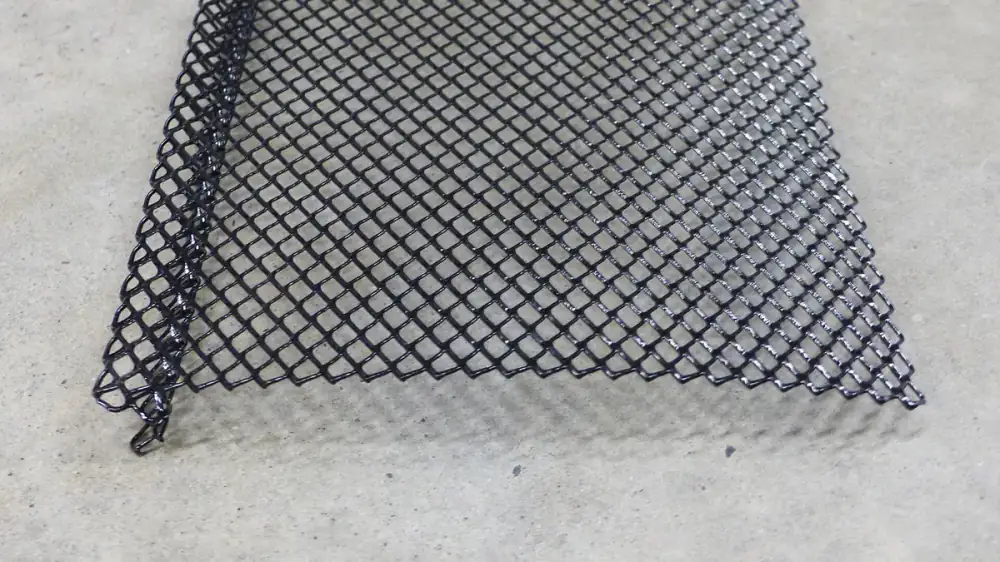
Do Gutter Guards Eliminate Cleaning?
The honest answer is no. Guards cut how often you clean, not the need entirely. Here's what still gets in and why checks still matter.