Matching Gutter Guards to Your Roof and Trees
The best gutter guard isn't the priciest or the finest — it's the one that fits your roof's pitch, the debris your trees drop, and the weather that lands on both.

The right gutter guard is the one matched to your home, not the finest one on the shelf. Three variables decide it: your roof's pitch and rainfall (steep, high-flow roofs favor guards water drops straight through, like mesh and screens), the debris your trees drop (fine needles need fine mesh; broad leaves are handled by simpler screens), and your climate (heavy rain demands flow capacity; cold winters cap what any guard does). Get those three right and fit beats price every time.
Ask which gutter guard is "best" and you'll get a dozen confident answers, all of them incomplete, because the question is missing its subject. Best for what roof? Under which trees? In whose weather? A guard that's ideal over oaks on a gentle single-story roof in a dry climate can be the wrong call over pines on a steep roof in a rainy one. There is no universal winner — only good and bad matches.
That's actually good news. It means you don't have to find the one perfect product; you have to describe your own house honestly and let that description narrow the field. Here's how to read your roof, your trees and your weather, and let the answer fall out of the three.
Read your roof first
Start with the pitch, because it changes the physics of how water arrives at the gutter. A steep roof sheds water fast, sending it off the edge as a quick, forceful sheet. A gentle roof lets it arrive slower and gentler. That difference decides which guards can keep up.
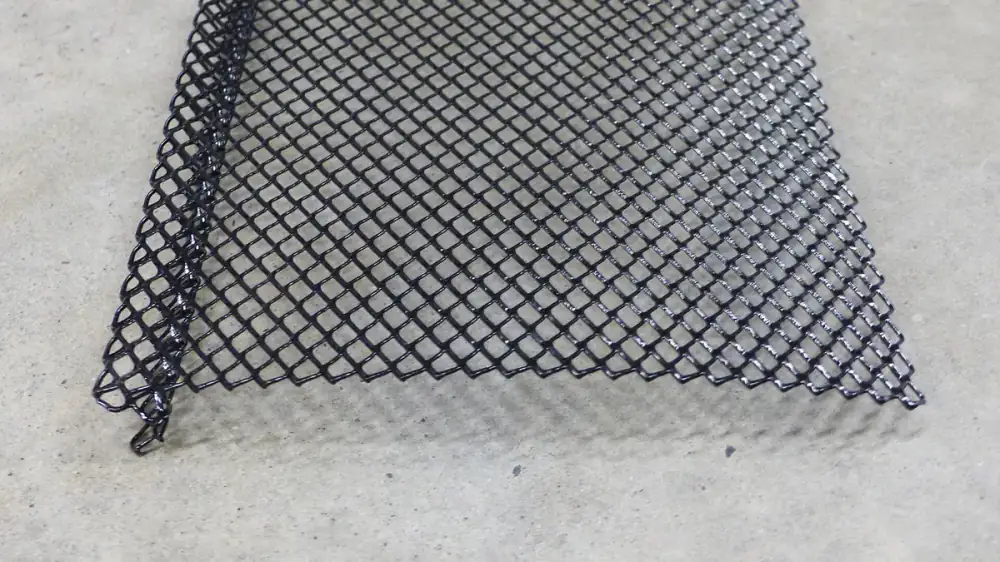
- Steep, fast-shedding roofs can overshoot certain surface-tension and reverse-curve guards, where water is meant to cling around a curved lip. In a downpour, the fast sheet can fly right past the curve and over the gutter. These roofs generally do better with guards that let water drop straight down through them — mesh and screens.
- Gentle pitches are more forgiving and give surface-tension designs a fair chance to work as intended.
- Complex rooflines — dormers, valleys, multiple planes dumping into one run — concentrate water at specific points, which raises the flow any guard there has to handle.
Roof height and access belong in this read too, though they affect the stakes rather than the type: the harder and more dangerous your roof is to reach, the more it matters that you get the choice right the first time, because correcting a mismatch up there is expensive. The relationship between roof and guard runs deep enough that it's often inseparable from the question of whether guards are worth it at all — and it feeds directly into the cost-benefit math, since a mismatch is money spent for little return.
Then read your trees — species, not just number
Most homeowners think about how many trees they have. What matters more is what kind, because the size of the debris decides which openings will stop it.
Broad-leaf trees — oak, maple, sycamore and the like — drop debris that's large relative to any guard's openings. Whole leaves can't fit through a screen or a mesh, so they sit on top, and nearly any guard type keeps them out of the trough. The concern with broadleaf litter is surface loading in the wet season, not penetration.
Needle-bearing conifers — pines, spruces, firs — are the hard case. Pine needles are thin, stiff, and slip straight through coarse screens into the trough, then knit into mats on top of whatever's left. If you have pines, a coarse screen is close to pointless; a fine micro-mesh is usually the fit. This mismatch is so common and so consequential that it has its own treatment in gutter guards and pine needles — read it before you buy anything if there's a conifer over your roof.
Mixed canopies — the most common real-world situation — should generally be matched to the hardest debris present. If you have both oaks and pines, choose for the pines; a guard that stops needles will comfortably stop leaves, but not the reverse.
Because trees do so much of the deciding, it helps to understand how trees affect gutter maintenance in general — the timing of the drop, whether it's seasonal or year-round, and how much lands where.
Weigh your climate honestly
Climate is the third variable, and it acts on both water and winter.
In heavy-rain regions, flow capacity moves up the priority list. A guard has to admit a lot of water quickly without overshooting or backing up, which again favors designs water drops straight through and disfavors any guard prone to shedding a fast sheet over its edge. Match the guard to the worst storm your roof routinely sees, not the average one.
In cold, snowy climates, set expectations before you set a budget. No guard prevents ice dams — those come from heat escaping through the roof, not from the gutter — so don't choose a guard hoping it will solve winter. Snow load and freeze-thaw cycles also limit what any guard does in the coldest months. The sane approach is to choose for your debris season, when the guard actually earns its keep, and treat winter performance as a wash. A finer mesh can even hold snow and ice on its surface, so in deep-snow country that's a trade-off worth weighing rather than assuming finer is always better.
Put the three together
Fit emerges where the three variables meet, and the honest picture is usually a compromise rather than a clean win. A few illustrative combinations:
- Pines over a steep roof in a rainy climate: the demanding case. A fine mesh handles the needles, and letting water drop straight through suits the pitch and rainfall — but you'll be committed to keeping that fine surface clear.
- Oaks and maples over a gentle single-story roof in a mild climate: the forgiving case. A simple screen keeps the leaves out and is easy to service; paying up for micro-mesh buys you less here.
- A mixed canopy over a complex roofline: match to the pines, plan for concentrated flow at the valleys, and accept more surface upkeep than a simpler roof would need.
Notice what's not in those recommendations: price. Cost tracks materials and installation, not fit, and a costly guard chosen for the wrong roof can lose to a modest one chosen for the right one. Getting the type right is a separate and more important decision than getting the premium version — and it's worth understanding how the main guard types work so you can tell a genuine fit from a good sales line.
When the match is worth a professional's eye
You can do a great deal of this reading yourself from the ground — identify your trees, judge your pitch, recall your worst storms. But a steep, high, or cut-up roof, a mixed canopy you're unsure how to weight, or a climate with real winter are all fair reasons to get a professional assessment before committing, especially since a mismatch up high is costly to undo. A good installer confirms your gutters are sound, reads the same three variables you've been reading, and recommends a type on that basis — not on which product carries the best margin. When you get to that conversation, our guide to evaluating an exterior contractor helps you tell the two apart.
Match the guard to the house, and the rest of the decision gets easy. Skip the matching, and no amount of mesh count or warranty length will save a guard that was never right for your roof in the first place.
Your questions, answered
How do I choose the right gutter guard for my house?
Match it to three things: your roof's pitch and how much rain it sheds, the kind of debris your trees drop, and your climate. Fine debris like pine needles needs a fine mesh; broad leaves are handled by simpler screens; steep roofs and heavy rain need a guard that won't overshoot. The right guard is the one that fits all three, not the most expensive one.
What gutter guard is best for pine needles?
A fine micro-mesh is generally the best fit, because coarse screens let thin needles thread straight through and needles mat readily on almost any surface. No guard stops needles from collecting on top, so plan on clearing the surface. A guard chosen without accounting for pines is the single most common mismatch homeowners make.
Does roof pitch affect which gutter guard I should get?
Yes. A steep roof moves water fast, and in heavy rain that fast sheet can overshoot certain surface-tension and reverse-curve designs, spilling past the gutter. Steeper, high-flow roofs favor guards that let water drop straight through, like mesh and screens. A guard that works on a gentle pitch can underperform on a steep one.
Do broad leaves and pine needles need different guards?
Often, yes. Broad leaves sit on top of most guards and are handled fine by screens and mesh alike, since they can't fit through the openings. Fine needles and small debris slip through coarser guards, so they call for a finer mesh. A mixed canopy of both usually points toward a finer guard that covers the harder case.
Does climate change which gutter guard I need?
It should factor in. Heavy-rain regions need guards that handle high water flow without overshooting; cold, snowy climates limit what any guard does in winter and make freeze-thaw and snow load worth considering. No guard prevents ice dams, so in cold regions choose for debris season and set winter expectations accordingly.
Is the most expensive gutter guard usually the best choice?
Not necessarily. Price tracks materials and installation, not fit. A finer, costlier guard matched poorly to your roof pitch can perform worse than a simpler one chosen correctly. The best value is the guard that suits your debris, pitch and climate — sometimes that's a premium mesh, sometimes it's a straightforward screen.

Common Gutter Guard Problems
Guards solve some problems and create others. Here are the most common gutter guard issues — overflow, surface debris, ice, poor fit — and how to spot them.

Micro-Mesh vs Screen Gutter Guards
Both block leaves, but only one stops fine grit and pine needles. Here's how micro-mesh and screen guards compare on debris, upkeep and fit.
Do Gutter Guards Eliminate Cleaning?
The honest answer is no. Guards cut how often you clean, not the need entirely. Here's what still gets in and why checks still matter.