How to Tell If Your Gutter Guards Are Working
You don't need to climb up to know whether your gutter guards are doing their job. Watch a rainstorm and read the ground-level signs — they tell you most of the story.
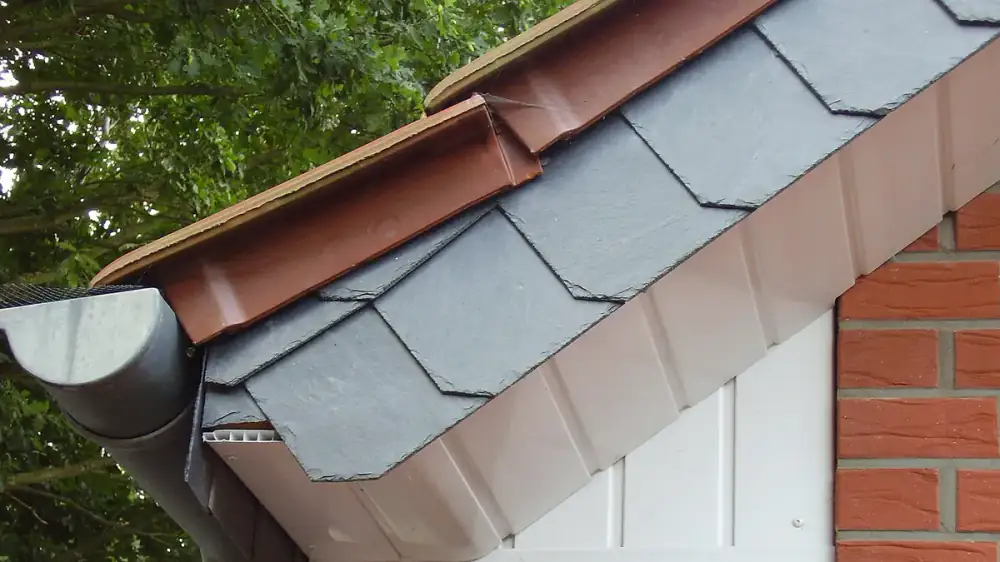
You can tell mostly from the ground. In a steady rain, working guards send water cleanly to the downspouts with no spilling over the front edge and no sheeting down the fascia. Signs of trouble are overflow in rain, a matted layer of debris on top, a visible sag, plants sprouting through, and downspouts that barely trickle while water pours over the edge. Watch a storm and check the surface a couple of times a year — no ladder required for the basics.
Gutter guards do their work out of sight, tucked along the roof edge, which makes them easy to forget — right up until water is running down the siding. The reassuring part is that you almost never need to climb up to know how they're doing. The signals, good and bad, show up at ground level, and the most honest test costs nothing: wait for rain and watch.
We don't sell guards, so this is a plain guide to reading those signals — what tells you the guards are earning their keep, and what tells you the system needs a hand.
Wait for rain
Pick a spot where you can see both the gutters and the downspouts, and watch them during a steady rain. That one observation settles most of the question, so it's worth doing deliberately rather than glancing up on your way inside.
What you're checking is the whole path: water off the roof, through or over the guard, into the trough, along to the downspout, and out the bottom. When that path is clear, the front edge stays dry and the downspouts run well. When it isn't, the break shows up somewhere along the line — and rain is what makes it visible.
If you do see overflow, don't jump straight to "the guard failed." It can mean a matted surface, an off fit, or gutters and downspouts simply at capacity. Our guide to overflowing gutters causes and fixes helps sort out which.
The tells of a system that's working
- No overflow in steady rain. The front edge stays dry and water reaches the downspouts.
- Downspouts running freely. A healthy stream out the bottom means water is getting through and moving.
- A clean or lightly scattered surface. A few leaves that blow or wash off are normal; a guard isn't meant to stay spotless.
- Dry fascia and soffits. No fresh streaks, stains or peeling paint near the roof edge.
- A dry foundation line. No new pooling or splashback at the base of the downspouts after rain.
- Longer gaps between cleanings. If you're clearing the gutters far less often than before, the guard is doing its job — reducing, not ending, the work.
That last one deserves emphasis. Guards are working when they reduce your maintenance, not when they abolish it. Anyone expecting zero upkeep will misread ordinary debris-on-top as failure — see do gutter guards eliminate cleaning for why some surface care is part of a healthy system.
The tells of a system in trouble
- Water spilling over the front edge during rain — the headline symptom.
- A thick, matted layer of debris on top that stays put instead of clearing — it can block water even when the trough is clean.
- A visible sag or dip in a run of gutter, a sign of trapped weight from debris or standing water below the guard.
- Plants or grass sprouting through or on top of the guard — enough trapped soil to hold moisture.
- Downspouts trickling or dry while water overflows above.
- Stains, streaks or peeling paint on the fascia and soffits near the roof edge.
- Pooling water or splashback at the foundation after storms.
A ground-level reading key
| What you see from the ground | What it likely means |
|---|---|
| Clean flow to downspouts, dry edge | Guards working well |
| Light leaves on top, water still flowing | Normal — clear the surface when convenient |
| Water sheeting over the front edge | Matted surface, overshoot, or capacity problem |
| Thick debris layer that stays put | Surface needs clearing; upkeep overdue |
| Visible sag in a run | Trapped weight — inspect the gutter and hangers |
| Downspout dry while gutter overflows | Blockage below the guard or at the outlet |
| Fascia stains, foundation pooling | Overflow has been happening for a while |
Debris on top vs a matted blanket
This is the distinction that trips people up, so it's worth getting right. A scattering of leaves on a guard is completely normal, and wind and rain usually clear it on their own. What you're actually watching for is a matted, persistent blanket that water beads on or runs off of rather than passing through. That's the surface load that causes overflow while the trough below stays dry.
It doesn't mean the guard is bad — it means the top needs clearing, which is exactly the reduced-but-real upkeep a guarded system asks for. Our guide to how to clean gutters with guards covers doing that safely, ideally before the mat soaks through and packs down.
When the signs point past routine upkeep
Some symptoms mean more than a surface clearing will fix, and these are the ones not to sit on. Repeated overflow at the same spot suggests a fixed blockage or a low point. A run visibly pulling away from the fascia, or sagging under weight, points to the gutter itself. Water consistently getting behind the gutter, onto the fascia and into the soffit, is a rot risk. Fresh interior signs — a ceiling stain near an exterior wall after guards went in — deserve prompt attention. And overflow that persists after you've cleared the surface almost always points to fit, capacity or damage rather than debris.
That's also the line where a ladder stops being the answer. Most of what you need reads from the ground, and there's rarely a good reason to climb up to a high or steep roof just to look. When overflow continues after clearing, when you see sagging, leaks or fascia damage, or when you simply can't tell from below what's going wrong, a professional can inspect the trough beneath the guard, check the pitch and downspout sizing, and confirm whether the guard suits your roof — safely, and with a closer view than a ground-level glance allows.
The genuinely reassuring thing is how much you can learn without leaving the lawn. Watch one good storm, glance up for debris now and then, and confirm the downspouts run — and you'll know whether your guards are working long before water finds your siding. If the picture is mixed and you're weighing whether they're pulling their weight overall, our balanced look at whether gutter guards are worth it puts these signs in context.
Questions homeowners ask
How do I know if my gutter guards are working without climbing up?
Watch them during a steady rain from the ground. If water runs to the downspouts and out the bottom without spilling over the front edge or sheeting behind the gutter, the guards are doing their job. Overflow, water streaking down the fascia, or downspouts that barely trickle are signs something's wrong. Ground-level observation tells you most of what you need to know.
What are the signs gutter guards are failing?
The clearest signs are water spilling over the edge in rain, a thick layer of debris sitting on top of the guard, a visible sag or dip in a run, plants sprouting through the surface, and downspouts running weakly while water overflows. Stains on the fascia or pooling at the foundation point to overflow that's been happening a while. Any of these means the system needs attention.
Is debris on top of gutter guards a problem?
A light scatter of leaves is normal and often blows or washes off. A thick, matted layer that stays put is a problem — it can block water from passing through and cause overflow, even though the trough below may be clear. Debris on top is exactly why guards reduce cleaning rather than eliminate it; the surface still needs periodic clearing to keep working.
Why is water still overflowing with gutter guards installed?
Common causes are a debris-matted surface, a guard that overshoots the trough on a steep roof, undersized or blocked downspouts, or a clog in the gutter below the guard. It can also mean the rain is simply exceeding the system's capacity in an intense burst. Clearing the surface first tells you whether it's an upkeep issue or something that needs a closer look.
How often should I check that my gutter guards are working?
Watch them during the first heavy rain of each season, and glance up after major storms. A quick ground-level look for debris on top and a check that downspouts run freely a couple of times a year is usually enough. Guards reduce how often you need to intervene, but they don't remove the need to keep an eye on the system.
When should I call a professional to check my guards?
Call a pro when overflow continues after you've cleared the surface, when you see sagging, leaks or fascia damage, when the roof is too high or steep to inspect safely, or when you can't tell from the ground what's going wrong. Persistent problems often point to fit, capacity or gutter damage that needs a closer look than a ground-level glance can give.
More from this section

Common Gutter Guard Problems
Guards solve some problems and create others. Here are the most common gutter guard issues — overflow, surface debris, ice, poor fit — and how to spot them.

Micro-Mesh vs Screen Gutter Guards
Both block leaves, but only one stops fine grit and pine needles. Here's how micro-mesh and screen guards compare on debris, upkeep and fit.
Do Gutter Guards Eliminate Cleaning?
The honest answer is no. Guards cut how often you clean, not the need entirely. Here's what still gets in and why checks still matter.