Micro-Mesh Gutter Guards Explained
Micro-mesh is the finest screen you can put over a gutter — fine enough to stop grit and pine needles. That strength is also the reason debris piles on top instead of inside.
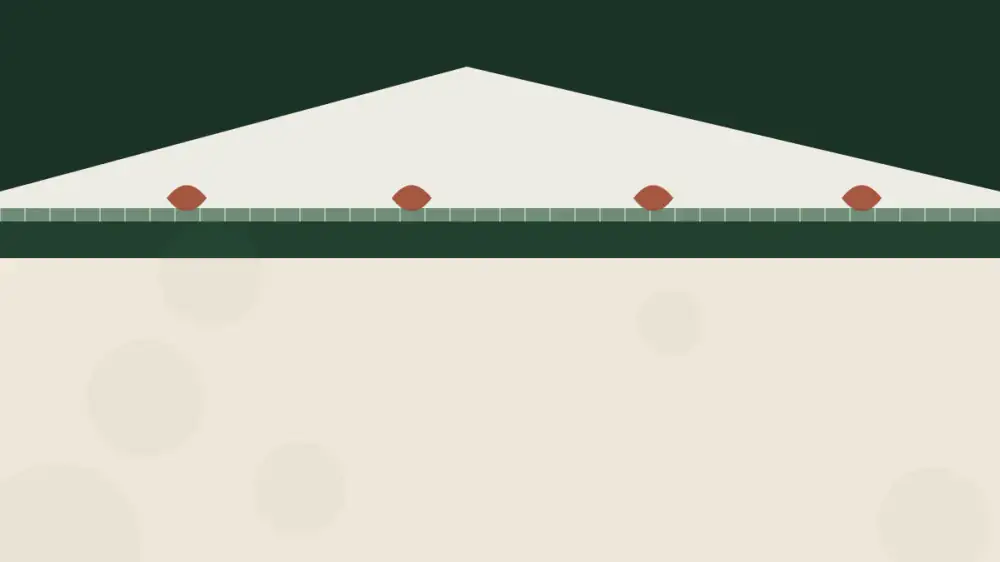
A micro-mesh gutter guard is a very fine metal screen laid over the gutter. Water seeps through the tiny openings by surface tension while nearly all solid debris — down to grit and fine pine needles — stays on top. That makes it the best type for keeping the trough clean, but the same fineness means leaves and needles collect on the surface, so you clean the top of the mesh rather than the inside. It reduces cleaning, it doesn't end it.
Micro-mesh is what you get when you shrink a gutter guard's openings as far as they'll go while still passing water. The result is a screen fine enough to stop what other guards wave straight through — shingle granules, fine grit, and the small needles that outwit coarser covers. For homes plagued by fine debris, no other category comes close.
But there's a catch built into that very strength, and it's the whole story of living with micro-mesh. The same fine screen that blocks grit also gives leaves and needles a solid surface to rest on. That doesn't make the mesh worse; it moves the maintenance somewhere new. Understand that one trade and everything else about the type follows.
The finest screen that still passes water
A micro-mesh guard is built from a very fine stainless-steel or metal mesh, usually stretched over a rigid frame that holds it flat and slightly pitched above the gutter. The openings are tiny — small enough that a grain of shingle grit can't fit through. Because the mesh is delicate and needs a firm mount, these systems are made more substantially than drop-in screens, typically fastening to the gutter lip and sometimes sliding under the first course of shingles. That's why installation is more involved than with the simpler guards.
Why water gets through when grit can't
If the holes are too small for grit, how does water get in? Not by squeezing through a bigger gap — by physics. As rain runs down the roof and meets the mesh, surface tension and capillary action draw the water through the fine openings and release it into the trough below. Solids don't cooperate with that pull: leaves, twigs, needles and grit ride over the surface or come to rest on top, where they're meant to dry out and blow or wash away.
The payoff is a trough that stays remarkably clean. Coarser guards let fine material reach the gutter, where it slowly packs around the downspout outlet; with micro-mesh, that buildup happens on top of the mesh instead — easier to see, and easier to reach. What the fine openings stop, in practice, is essentially the whole range a gutter sees: broad leaves and twigs, the small pine needles that thread through screen guards, shingle granules from an aging roof, windblown grit and silt, and most pollen and blossom dust, though the very finest pollen can film across the surface when damp.
What ends up on top instead
Here's the honest half. Because micro-mesh stops fine debris, that debris has to land somewhere — and it lands on the mesh. In practice that shows up two ways.
First, a heavy leaf or needle drop can blanket the mesh, and once that mat soaks through, water can sheet across the top in a downpour and pour over the front edge while the trough underneath stays bone dry. Second, in damp, shaded runs, pollen and silt can form a thin film over the mesh, gradually slowing how fast water passes through. Neither is a defect — both are the direct consequence of a screen fine enough to stop everything. The remedy is simply keeping the surface clear, which is generally cleaner and easier than clawing packed debris out of a trough.
That's the shape of the upkeep, too. Micro-mesh doesn't eliminate cleaning; it relocates it to the surface, usually turning a several-times-a-year trough-clearing into an occasional surface check — but the ladder doesn't disappear. Expect to brush or rinse the mesh to clear matted leaves, needles or pollen film; to take a periodic look during rain, from the ground, confirming water drains through rather than sheeting over; and to check the trough occasionally, since even the best mesh passes a little fine material over the years. For the wider picture, our guide to how often gutters need cleaning sets the baseline, and how to clean gutters with guards covers the guarded-specific approach.
Pros and cons at a glance
Where micro-mesh wins:
- Blocks the widest range of debris of any guard type, down to fine grit and pine needles.
- Keeps the trough remarkably clean, so downspouts clog far less often.
- Shifts maintenance to the surface, which is generally easier to clear than the inside of a gutter.
- Handles pines better than any coarser guard — see gutter guards and pine needles.
Where it asks more of you:
- Debris mats on top and can cause overflow if left to blanket the mesh.
- Can film over with pollen and silt in damp, shaded areas, slowing drainage.
- More involved to install than drop-in screens, and often better done by a professional.
- Higher cost than simpler guard types, varying with material quality and install method.
Will it fit your gutters?
Fit isn't a given, so check before you buy. Panels are made for common gutter widths and shapes, and unusual or older gutters may limit your options. The mounting varies too: some systems attach to the gutter lip, while others slide under the first shingle course — and those under-shingle types can affect a roof warranty and are often best left to a professional installer. Roof pitch and water volume matter as well, because a very steep roof throws water fast and a fine mesh has to be pitched and positioned well or water will overshoot it in a hard storm. Finally, condition: guards go over sound gutters, so if yours sag or leak, fix that first — a guard won't correct an underlying problem and can make future repairs harder.
Living with micro-mesh
Once it's up, keeping micro-mesh working is mostly about the surface, and most of what you need to watch reads from the ground. Water sheeting over the front edge in rain, a persistent mat of leaves or needles that never clears, a darkened filmed-over surface in shaded runs, or fresh staining on the fascia below the gutter all say the same thing — the top needs clearing. The most common way micro-mesh fails is simply a soaked leaf mat left to pack down, so clearing it while it's still loose is the habit that matters most.
The upkeep does mean occasional ladder work, and that's where judgment comes in. If the roof is steep or high, if a second story puts you well off the ground, if you can't set a ladder on stable footing, or if the guard mounts under the shingles, that's a job to hand to a professional — as is any gutter damage you find, like sagging, loose hangers or separated seams, which needs fixing before a guard goes back on.
Micro-mesh is the most capable guard type for keeping debris out of the trough, especially under pines and aging roofs. Just go in knowing the deal: you're trading trough-digging for surface-clearing, not trading the ladder away entirely.
Questions people also ask
How does a micro-mesh gutter guard work?
A micro-mesh guard is a very fine metal screen, usually stainless steel on a rigid frame, laid over the gutter. Water passes through the tiny openings by surface tension and capillary action, while nearly all solid debris — down to grit and fine pine needles — stays on top. The trough underneath stays remarkably clean as a result.
What does micro-mesh block that other guards don't?
Micro-mesh blocks fine debris that coarser guards let through: shingle granules, fine grit, silt, small pine needles and much airborne pollen. Screen and reverse-curve guards stop leaves but pass a lot of this fine material into the trough; micro-mesh keeps almost all of it out.
Do micro-mesh gutter guards need maintenance?
Yes. Because micro-mesh stops fine debris, that debris collects on the surface rather than in the trough. Leaves and pine needles can mat on top, and pollen or silt can film across the mesh in damp, shaded spots. That's cleared by brushing or rinsing the surface rather than digging out the gutter, but it still means periodic checks.
Can micro-mesh guards overflow?
They can. If the mesh surface gets blanketed with a soaked mat of leaves or needles, water can sheet across the top in a downpour and pour over the front edge while the trough underneath stays dry. Clearing the surface before debris mats down is what prevents this.
Will micro-mesh fit my existing gutters?
Often, but check first. Micro-mesh comes in panels sized for common gutter widths, but the mounting varies — some attach to the gutter lip, some slide under the first course of shingles. The under-shingle types can affect roof warranties and are usually best installed by a professional. Confirm the panel suits your gutter profile and roof edge before buying.
Is micro-mesh worth it under pine trees?
It's the type that handles pines best. Fine needles thread straight through the larger openings of screen guards but are stopped by micro-mesh. You'll still get needles piling on the surface, so it isn't maintenance-free under conifers — but it keeps far more out of the trough than any coarser guard.
Related reading

Common Gutter Guard Problems
Guards solve some problems and create others. Here are the most common gutter guard issues — overflow, surface debris, ice, poor fit — and how to spot them.
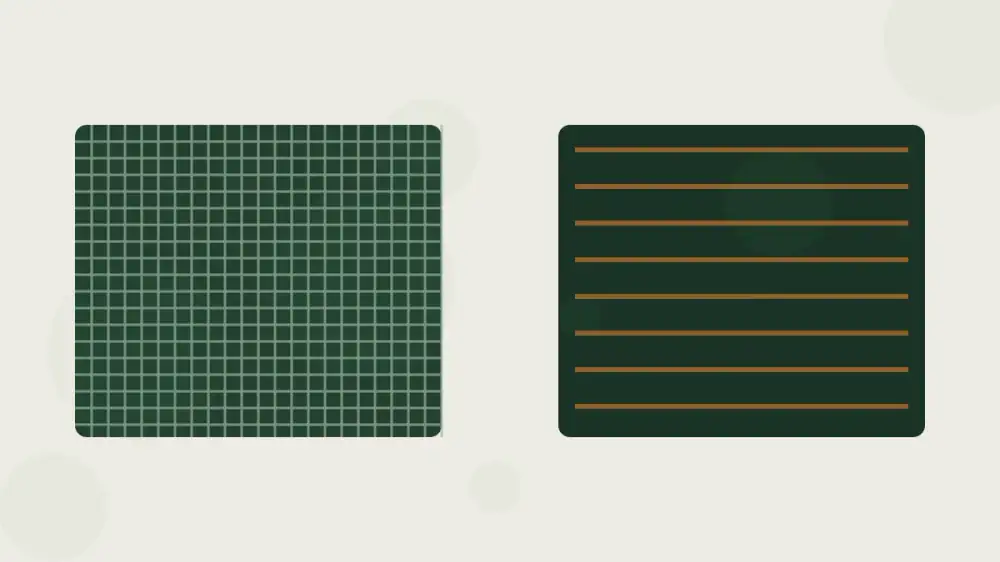
Micro-Mesh vs Screen Gutter Guards
Both block leaves, but only one stops fine grit and pine needles. Here's how micro-mesh and screen guards compare on debris, upkeep and fit.
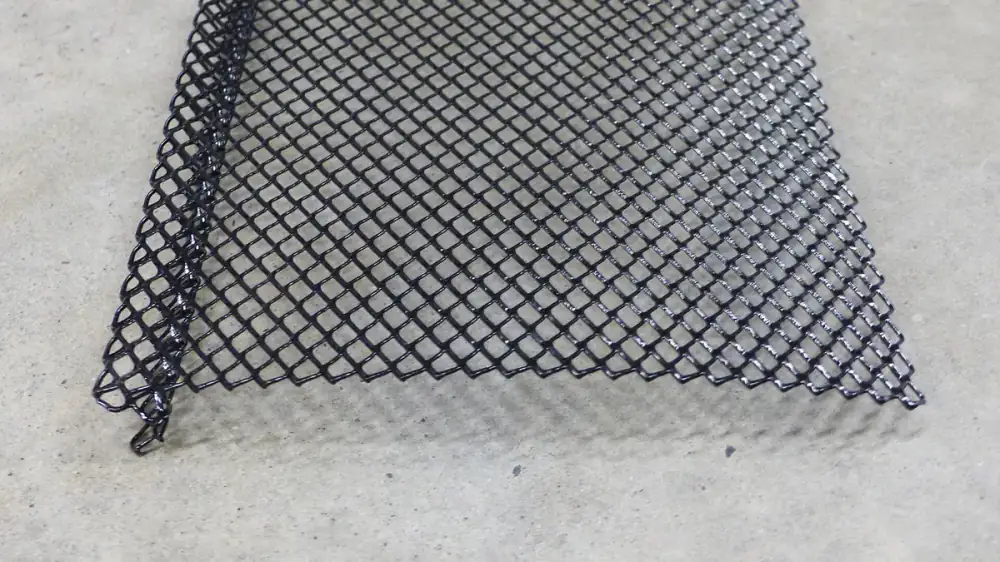
Do Gutter Guards Eliminate Cleaning?
The honest answer is no. Guards cut how often you clean, not the need entirely. Here's what still gets in and why checks still matter.