Gutter Hangers and Brackets Explained
The hardware that holds a gutter to the house does more than most homeowners realize. Here's how hidden hangers, spikes and brackets differ, and why spacing matters.
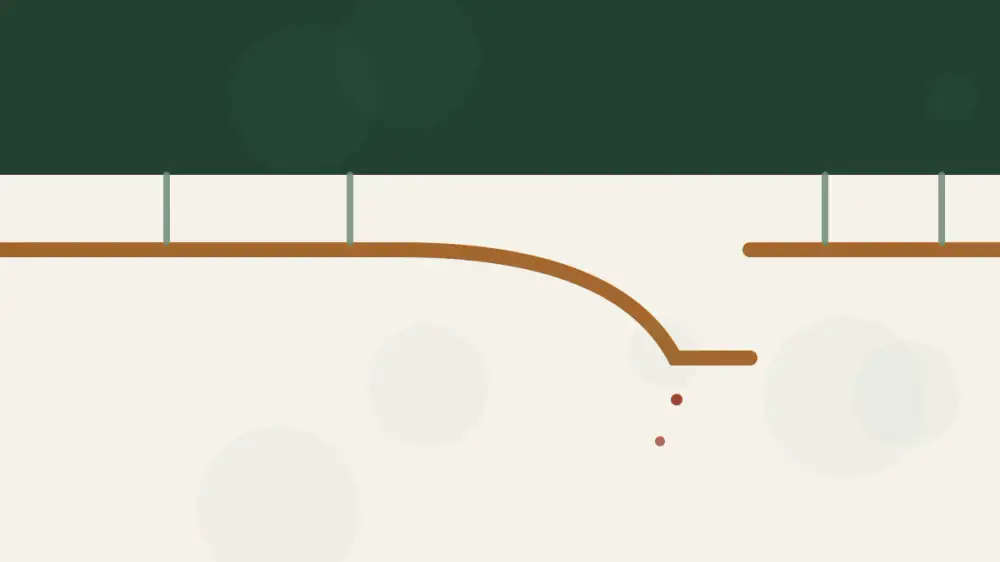
Gutter hangers are the hardware that holds the trough to your house, and the three common types are hidden hangers (clips inside the gutter, screwed into the fascia), spike-and-ferrule (an older nail-through-the-front design), and brackets that cradle or wrap the gutter. Hidden hangers are the modern standard. What matters most is correct spacing and solid wood to fasten into — that is what keeps a run from sagging.
Ask a homeowner what a gutter is made of and they will describe the trough — the visible channel running along the roof edge. Almost no one thinks about the small pieces of hardware tucked along its back edge, and yet those pieces decide whether the whole thing works. They hold the gutter straight, hold its slope, and hold it against the house through years of rain, leaf loads, and freeze-thaw. Learn the few common types and the one rule about spacing, and you can explain most of why some gutters stay put for decades while others slowly pull loose.
Three ways a gutter gets held up
Nearly every residential gutter is supported by one of three approaches, and they are not equal.
The current standard is the hidden hanger. It clips into the front and back lips of the gutter, sitting down inside the trough where you cannot see it, and a screw runs through the back into the fascia. Two design choices make it hold well: the fastener is a screw rather than a nail, and the load spreads across the whole trough instead of concentrating at the front lip. The result reads clean from the ground, with no interruptions along the edge — part of the appeal. The only quirk is that they sit low enough for debris to pack around them, so they are worth a glance during a routine gutter cleaning.
The spike-and-ferrule is the older design still found on plenty of existing homes. A long spike — essentially a heavy nail — is driven through the front lip, passes through a tube-shaped ferrule that keeps the front and back walls from crushing together, and anchors into the fascia. Simple and cheap, but with a well-known flaw: as the fascia wood swells and shrinks through the seasons, the smooth spike gradually backs out. That is the story behind the visible gap at the front edge, or the whole gutter drooping away from the house, that so many older homes eventually show.
Brackets are the loosest category — hardware that supports the gutter from below or wraps around its profile, including some decorative and heavier-duty styles. Brackets can be very strong, but the term covers a lot of ground, and on a typical residential home you are far more likely to meet a hidden hanger or a spike than a bracket.
Three jobs the hardware does at once
It is easy to think of a hanger as doing one thing — holding the gutter up — but it is really doing three quiet jobs simultaneously. It carries the weight, and a run full of rainwater and wet debris is heavier than people expect. It maintains the slight slope that carries water toward the downspouts. And it keeps the trough tight against the fascia so water does not sheet down behind it.
When the hardware fails at any one of those, the symptom shows up somewhere downstream: a run that dips in the middle, water spilling over the front, or streaks on the fascia and siding. If you have noticed loose gutter hangers or a run starting to droop, the hardware is usually where the story begins — and the larger pattern of a whole section pulling down is the subject of why gutters sag.
Spacing does more than type
Hanger type gets the attention, but spacing is what actually keeps a gutter straight. Set the supports too far apart and you leave long unsupported spans that bow under the weight of water and debris. The general principle is that closer spacing is stronger, and that homes in snow-and-ice climates need tighter spacing, because a gutter loaded with frozen slush weighs far more than one carrying rain.
Rather than working from a fixed number, follow the spacing the manufacturer specifies for the particular gutter and hanger you have, since profiles and materials differ. The material matters too, which is one reason aluminum gutters are so common — light enough to be forgiving, yet rigid enough to hold a line between supports.
| Factor | Effect on spacing |
|---|---|
| Snow and ice climate | Tighter spacing to carry the extra frozen weight |
| Long, straight runs | Consistent, closer spacing to prevent mid-span sag |
| Heavy debris loads | Closer spacing helps carry the added weight |
| Sound vs. soft fascia | Weak wood undermines any spacing; the wood must hold a fastener |
The fascia decides more than the hanger
That last row in the table deserves its own moment, because it is the point homeowners miss most often. No hanger, however good, holds in rotted or soft wood. You can choose the best hidden hanger made and space it perfectly, and it will still let go if the board behind it is punky. The fascia is the anchor the whole system depends on, which is why loose hardware is so often a wood problem wearing a hardware costume. Re-driving an old spike into tired wood, or hanging new hardware on a soft board, treats the symptom and leaves the cause in place — usually to fail again in a season or two.
Reading the signs from the ground
Most hanger trouble is visible without climbing anything. Look for a dip or sag in the middle of a run, where the gutter has stopped holding its line. Watch for a gap opening at the front edge — the classic tell of spikes backing out — or the gutter pulling away from the fascia so you can see daylight behind it. Water spilling over the front during rain often means a sag has created a low spot, and streaks or stains on the fascia and siding suggest water is running behind a loosened gutter. Fasteners you can see partly withdrawn, or debris dropped beneath them, round out the list. Any of these is the hardware asking for attention before a small droop becomes a section on the ground.
Where a homeowner should stop
Adding a hanger to an otherwise sound gutter you can reach from stable footing is a reasonable job. Plenty else is not. Bring in a professional when the sag, loose hanger, or gap is on a second story or a steep, high roofline; when the fascia behind the gutter is rotted or soft and needs replacing before any hardware will hold; when a whole section has pulled loose and needs re-hanging and re-pitching rather than a single new screw; or when safe ladder placement on stable, level ground simply is not possible. Trying to tighten a hanger from an overextended ladder is precisely how a small hardware job turns into an injury.
The hardware itself is inexpensive. What costs — and what actually keeps a gutter working — is placing it correctly: at the right spacing, into sound wood, at the right slope. When any of those is in doubt, it is worth having someone who can work safely at height do it right the first time. For how the whole system fits together, see our overview of gutters.
Questions homeowners ask
Is there a real difference between a hanger and a bracket?
The words overlap in everyday use. A hanger is any hardware that supports the gutter and fastens it to the house, usually to the fascia board. Bracket tends to mean an older style that cradles the gutter from underneath or wraps around it. Most modern homes rely on hidden hangers, which clip inside the trough and screw into the fascia out of sight.
How far apart should the hangers be?
The safe habit is closer is better, and spacing tightens in snow-and-ice regions, where a loaded gutter carries far more weight. Manufacturers publish spacing guidance for their specific products, and that guidance should set the spacing rather than habit or a guess. Gutters that sag between supports are almost always spaced too far apart or fastened into weak wood.
Are spike-and-ferrule hangers still around?
They exist and turn up on many older homes, but hidden hangers have largely replaced them. A spike is a long nail driven through the front lip of the gutter, through a ferrule spacer, and into the fascia. Over the years the spike works loose as the wood expands and contracts, which is why so many older gutters pull away at the front edge.
Can I add hangers to a sagging gutter myself?
Adding support can be a ground-level-friendly fix, but only if the gutter is otherwise sound and you can reach it safely from stable footing. If the sag involves rotted fascia, a section pulling loose at height, or a second story, treat it as work for a professional rather than something to attempt from an overextended ladder.
Why do my hangers keep working loose?
Usually fasteners driven into soft or rotted fascia, hangers spaced too far apart, and the repeated weight of clogged, water-filled gutters. Old spike-and-ferrule hardware is especially prone to backing out. Fixing the loose hardware without addressing the real cause, wet wood or overloaded runs, tends to just postpone the next failure.
Does the hanger type affect drainage?
Indirectly, yes. Hangers set the slope and keep the trough straight, and consistent, correctly pitched support is what lets water run to the downspouts instead of pooling. Sagging or unevenly spaced hangers create low spots where water and debris collect, so the hardware quietly shapes drainage even though it never touches the water.
Related guides

How Trees Affect Gutter Maintenance
Leaves, pine needles, seed pods and shade each create a different gutter problem. Here's how tree cover reshapes your maintenance schedule.
Why Water Runs Behind Gutters
A missing drip edge, a gutter hung too low, or an overflowing clog — these three causes explain most water that ends up behind the gutter.
Signs Gutters Need Repair Instead of Cleaning
Sagging runs, leaking seams, loose hangers and standing water are repair problems, not cleaning problems. Here's how to tell them apart.