Composite Decking: Care and Cleaning
Composite decking is low-maintenance, not no-maintenance — it still stains, grows mildew and can be damaged by the wrong cleaning. Here's how to keep it looking right.

Composite decking is low-maintenance, not no-maintenance. It won't rot, warp or need sealing like wood, but it still grows mildew, stains from grease and food, and can be scratched or gouged by aggressive cleaning. Wash it regularly with soap and water or a composite-safe cleaner, pressure wash only gently per the manufacturer's guidance, and never seal or stain it. Routine cleaning replaces the refinishing that wood demands.
Composite decking is sold on a promise that is almost, but not quite, true: that once it's down, you're done. The boards — wood fibers bound in plastic — really do skip the miseries of a wood deck. No sanding, no annual coat of stain, no rot creeping up from the joists. Against a timber deck, it wins the maintenance argument outright. The trouble starts when "low-maintenance" quietly becomes "no-maintenance" in the owner's head, because that's when the deck gets neglected and then, worse, gets rescued with a pressure washer turned up too high.
The trade you actually made
It helps to name the deal honestly. With composite you did not buy freedom from upkeep; you swapped one kind of work for another. You gave up the refinishing cycle — the sand-and-seal ritual that a wood deck demands every year or two — and in return you took on plain, ordinary cleaning. Sweep it, wash it, wipe up spills before they set. That's the whole bargain, and it's a good one. But it is still a bargain with obligations, and the two things that damage composite most both come from forgetting that: letting mildew and stains sit, or blasting them off with more force than the surface can take.
Capped or uncapped decides half the story
Before any cleaning question, find out which kind of composite you have, because it changes the answers. Older uncapped boards are composite all the way through, with the wood fibers exposed at the surface. They absorb oils, stain more readily, fade faster and scratch more easily. Newer capped boards wear a bonded polymer shell over the composite core, and that shell resists staining, fading and scratching noticeably better.
The rule of thumb: capped boards shed most grime with a rinse and a wash and forgive the occasional lapse. Uncapped boards need prompter attention and a gentler hand, because anything that reaches the fibers — grease, tannins, a gouge from a dragged chair — tends to stay. If you don't know which you have, treat it as uncapped and you'll never overdo it.
What still lands on the surface
Composite doesn't rot, but its surface is not a sealed sheet of glass either. It collects a familiar range of exterior grime:
- Mold and mildew, feeding on the film of dirt, pollen and organic debris that settles in damp, shaded areas — the composite itself isn't rotting, the grime on it is growing.
- Grease and food stains, the classic grill-side casualty.
- Tannin and leaf stains from berries, foliage and debris left to sit.
- Rust marks from metal furniture feet and hardware.
- Pollen, general grime, chalk and hard-water spots, plus ice-melt residue in winter.
The through-line is that most composite "problems" are surface problems. The board underneath is fine; it's what's sitting on top, or the moisture trapped against it, that you're actually fighting.
Cleaning without wrecking the finish
The method is undramatic on purpose. Clear the furniture and sweep thoroughly, paying attention to the gaps between boards where debris packs in. Rinse with plain water. Then wash with soap and warm water, or a composite-safe cleaner, using the manufacturer's recommended product if you're tackling mildew or a set stain. Scrub gently with a soft-bristle brush, working along the length of the board — never a wire brush, which tears the surface. Rinse thoroughly so no residue is left to attract more dirt, and treat stains promptly: a degreaser for grease, and the maker's guidance for anything soaked in.
A pressure washer is usually allowed, but on its terms, not yours. Check the manufacturer's guidance first, because some warranties restrict how it can be used. Composite is more forgiving than painted wood but more delicate than concrete: high pressure can dent, gouge or raise a fuzzy, torn texture, and it punishes uncapped boards hardest. If you use one, keep it to low pressure with a wide fan tip, always moving, always following the length of the board, and let the cleaning solution lift the dirt rather than relying on force. When in doubt, put the wand down and use the brush. The trade-offs are laid out in our comparison of pressure washing versus soft washing, and the wood deck cleaning guide covers the same gentle logic.
One thing not to do: do not seal, stain or paint composite as part of "cleaning" it. It isn't designed for it, coatings don't adhere well, and sealing can trap moisture. A composite deck that looks like it needs refinishing almost always just needs washing.
The scratches and fading nobody warns you about
Composite's real limits are cosmetic, and worth knowing so you don't mistake them for defects. Dragging furniture, grit ground underfoot, metal snow shovels and even pets can scratch the surface, and uncapped boards mark far more easily than capped ones. Prevention is cheap: felt pads under furniture feet, mats without rubber backing (rubber can trap moisture and discolor the board), and gentle snow removal with a plastic shovel rather than metal.
Fading is the other surprise. Some is simply normal — the boards weather to a stable long-term color over the first seasons, and it shows most on darker shades in full sun. Capped composite fades less than older uncapped products. This is expected weathering, not failure, and no amount of cleaning reverses it; it settles down and then holds. Keep a little of the original board from installation if you can, so a future repair can be color-matched against weathered stock rather than fresh.
Genuine structural trouble — soft, swollen or crumbling boards — is uncommon and usually points to a damaged, uncapped or defective board that should simply be replaced. For nearly everything else, a composite deck rewards the same modest habits: keep it clear, keep it clean, and let the material do the rest.
Related guides
- How to clean a wood deck
- Painted wood: exterior care and cleaning
- Pressure washing vs. soft washing
- How to remove algae from exterior walls
Questions homeowners ask
Can I pressure wash composite decking?
Usually yes, but gently and according to the manufacturer's guidance — some voids the warranty if pressure washing is done wrong. High pressure can dent, gouge or fuzz the surface of composite boards, especially older uncapped ones. Use low pressure with a wide fan tip, keep it moving, follow the grain, and let a cleaning solution do the work. When in doubt, soft wash. See pressure washing vs. soft washing.
Why does my composite deck have mold or mildew?
Composite boards contain wood fibers and collect pollen, dirt and organic debris on the surface, all of which feed mold and mildew in damp, shaded spots. The composite itself doesn't rot, but the surface grime does grow mildew. Regular cleaning and keeping the deck clear of standing debris and leaves is the main defense. Our deck cleaning guide covers the method.
How do I remove grease and food stains from composite?
Clean fresh spills quickly with soap and warm water before they set — grease from grills is the most common stain. For set-in stains, a composite-safe degreaser or the manufacturer's recommended cleaner usually works. Capped composite resists staining better than older uncapped boards, which can absorb oils more deeply.
Do I need to seal or stain composite decking?
No — composite decking is designed not to be sealed, stained or painted like wood. Sealing it can trap moisture and cause problems, and coatings generally don't adhere well. If your composite looks like it needs refinishing, it usually needs cleaning instead. Always follow the manufacturer's care instructions.
Can composite decking be scratched or damaged?
Yes. Dragging furniture, grit underfoot, metal shovels and pets can scratch the surface, and older uncapped composite scratches more easily than capped boards. It can also fade over the first seasons and be marked by prolonged heat or standing objects. Felt pads under furniture and gentle snow removal help prevent surface damage.
How is caring for composite different from a wood deck?
Composite skips the sanding, sealing and staining a wood deck needs, so it's genuinely lower-maintenance. But it still needs regular cleaning to prevent mildew and stains, and it's more sensitive to aggressive pressure washing and scratching. Think of it as trading refinishing work for routine cleaning.
Why is my composite deck fading?
Some fading is normal, especially in the first seasons as the boards weather to their long-term color, and it's most noticeable on darker shades in full sun. Capped composite fades less than older uncapped products. This weathering is expected rather than a defect, and cleaning won't reverse it — but it stabilizes over time.
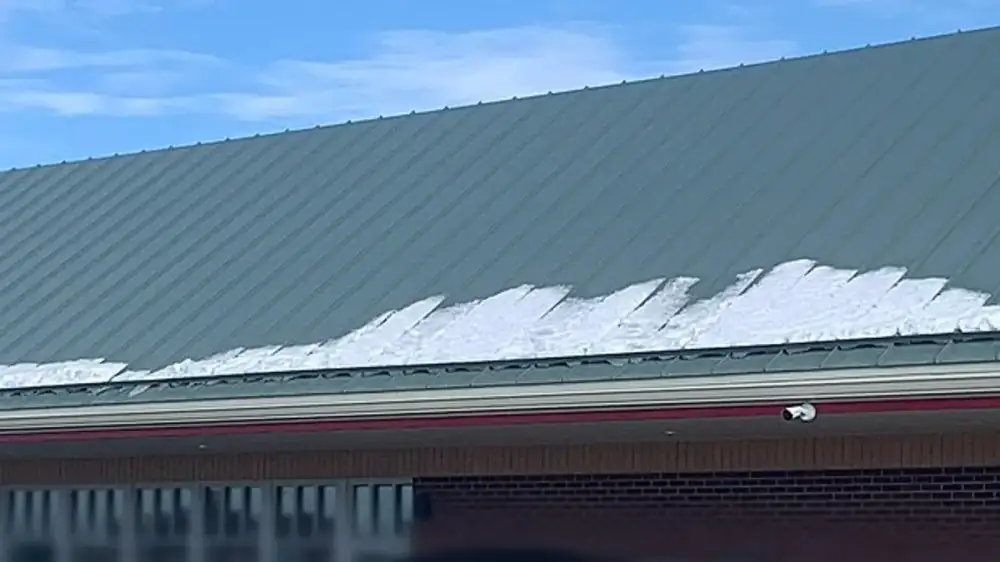
Metal Roof Edges and Drip Edge
Drip edge and metal roof-edge trim quietly protect the fascia, decking and gutters. Here's what they do and how to keep them working.
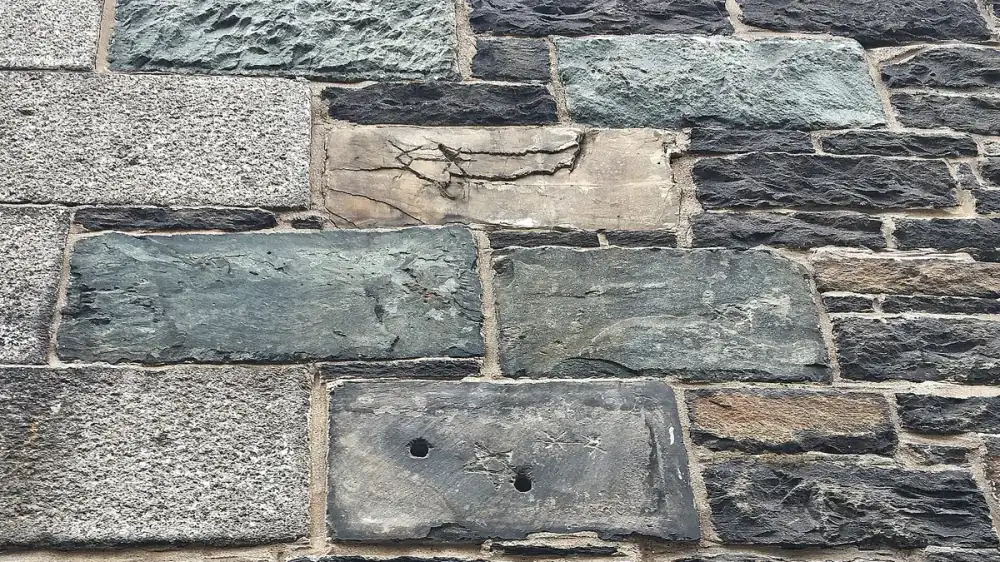
Natural Stone: Exterior Care and Cleaning
Natural stone is the most durable exterior surface, but some stones etch or stain easily. Here's how to clean and care for it safely.

Painted Wood: Exterior Care and Cleaning
Painted wood is the most maintenance-hungry exterior surface. Here's how to clean it gently and keep the paint film that protects the wood intact.