Natural Stone: Exterior Care and Cleaning
Natural stone is the most durable exterior material there is, but some stones are acid-sensitive, porous or easily etched. Here's how to clean and care for stone without harm.
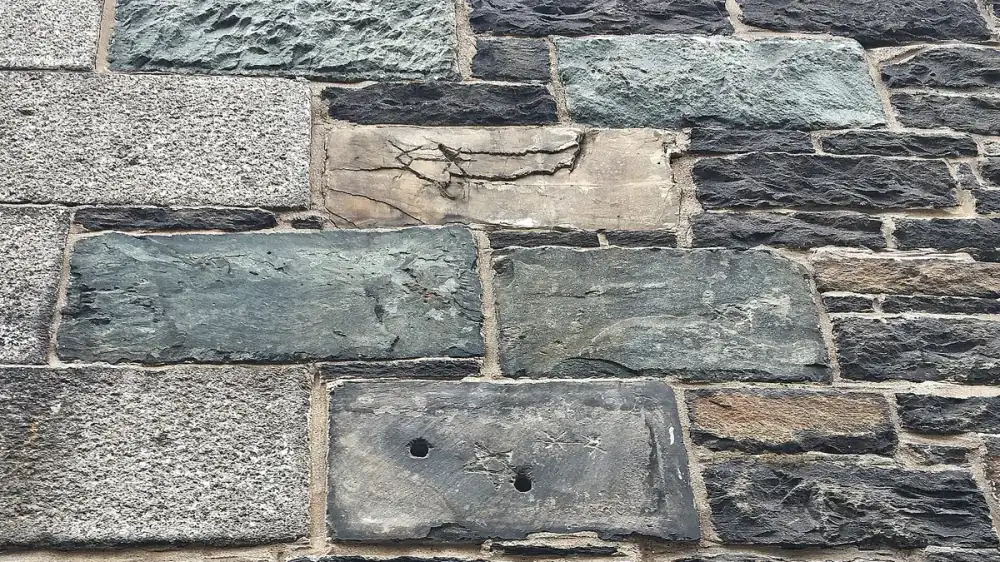
Natural stone is the most durable exterior material there is — but "stone" is not one material, and that's the whole catch. Calcium-based stones like limestone and marble etch on contact with acid, while porous stones stain and can spall, so a cleaner that's harmless on granite can ruin limestone. Clean with a pH-neutral, stone-safe solution and a soft brush, avoid acids unless you know the stone tolerates them, respect the softer mortar joints, and — as with all masonry — manage the water first.
Stone has clad buildings for thousands of years and will happily outlast everything you fasten around it. That reputation for indestructibility is deserved, and it's also the source of the one mistake homeowners reliably make: treating all stone as if it were the same tough, inert material. It isn't. The word covers granite and marble, sandstone and slate, limestone and rough fieldstone — materials formed differently, with wildly different porosity and chemistry. The care that suits one can permanently mar another.
So the useful starting point isn't a cleaning recipe. It's a question: what kind of stone is this, and if I can't tell, how do I clean it without gambling? Answer that, and everything else falls into place.
Two families that behave differently
For care purposes, the sprawling variety of stone collapses into a simple distinction based on what the stone is chemically made of. Calcium-based stones react with acid; silica-based stones largely don't. That single fact governs which cleaners are safe, and it cuts across the more familiar categories of hardness and color.
| Type | Common examples | Acid sensitivity | Porosity |
|---|---|---|---|
| Calcium-based | Limestone, marble, travertine | High — etches easily | Often porous |
| Silica-based | Granite, most sandstone | Low — tolerates more | Granite dense, sandstone porous |
| Metamorphic dense | Slate | Low | Nearly impervious |
You'll meet stone in a lot of roles around a house — veneer and full walls, foundations and water tables near grade, chimneys weathering from every side, steps and patios and pavers, retaining walls and sills and caps. Each exposure is different: paving sees traffic and standing water, walls near grade stay damp, chimney stone takes the full brunt of weather. But whatever the location, the family the stone belongs to decides how you're allowed to clean it.
The acid trap
The most avoidable damage to stone comes from acid meeting a calcium-based surface. Acidic cleaners — and household standbys like vinegar — etch, dull and pit limestone, marble and travertine, leaving a permanent frosted patch where the acid dissolved the surface. The frustrating part is that you often can't tell a calcium-based stone from a silica-based one just by looking, and acidic algae removers marketed for masonry make no exception for the stones they'll harm.
The safe rule writes itself: unless you positively know the stone is acid-tolerant, keep acids off it, and test any product in a hidden spot before committing. Silica-based granite and most sandstone tolerate a wider range of cleaners, but "wider" is not "anything," and the test patch costs nothing.
Porosity, staining and spalling
Where acid is the risk for calcium stones, water absorption is the risk for porous ones. Dense granite and slate are nearly impervious; many sandstones and some limestones drink water readily, and with it, stains — oil near a grill, tannins from leaves and mulch, rust from iron fixings or iron within the stone itself. Because porous stone absorbs deeply, prompt cleaning matters far more than it does on a dense surface, and a poultice is often needed to draw out a stain that has soaked in.
Absorbed water carries a second hazard in cold climates. When water trapped inside porous stone freezes and expands, it pushes the face apart — spalling, the same flaking that troubles brick. Softer sedimentary stones are the most prone to it. And as with all masonry, a non-breathable coating that seals moisture inside rather than letting it escape makes the problem worse, not better.
Washing stone without wrecking the joints
Hard, dense, sound stone tolerates moderate pressure much as brick does — but the caution is identical: the mortar joints are softer than the stone, and a concentrated stream erodes them and drives water into the wall behind. Softer, porous or historic stone shouldn't be pressure washed at all. The sensible default is moderate pressure at most, a wide fan tip kept moving and held well back, and a shift to soft washing on any stone you're unsure about.
The gentle method suits nearly every situation: rinse loosely with plain water first, apply a pH-neutral, stone-safe cleaner (or a diluted bleach solution for organic growth, kept off plants), agitate with a soft-bristle brush rather than anything wire that scratches and leaves rust-prone flecks, then rinse thoroughly so no residue lingers. For green growth specifically, the approach in removing algae from exterior walls works well, adjusted for acid sensitivity. The broader trade-off is laid out in pressure washing versus soft washing, and the mortar-joint warning mirrors the guidance for brick.
Sealing: help or trap
Sealing divides along the porosity line. A porous stone that stains or absorbs water benefits from a breathable, penetrating sealer, which reduces both while still letting the stone dry outward; it wears over time and needs reapplying. A dense stone may not need sealing at all. The one thing to avoid everywhere is a film-forming, non-breathable coating: it traps moisture inside the stone, and in a freeze-thaw climate that trapped water is exactly what causes spalling. As with any product, test a sealer on a small area first and confirm it's suited to the specific stone.
What deserves action, and what doesn't
Not every mark on a stone wall is a problem. Surface soiling, atmospheric grime and a white chalky haze of efflorescence are cosmetic — efflorescence in particular is just mineral salts left behind as water evaporates, and it often brushes off dry (our efflorescence guide covers it, and persistent bloom points to a moisture source worth reducing).
The signs that genuinely call for action are different in kind: dull, etched patches on calcium-based stone; face flaking or crumbling from spalling; crumbling or gapped mortar that needs repointing before water gets behind it; and deep-set oil or organic stains in porous stone. Beyond cleaning, keep the water managed — confirm gutters, drainage and flashing steer runoff away from stone walls and paving — repoint failing joints with mortar matched to the stone's hardness, keep de-icing salts off stone paving, and clear organic growth before moss and lichen mats hold moisture against the surface. Anything structural, such as stepped cracking or a bulge in a stone wall, warrants a professional look.
Do that, and the material lives up to its reputation. Dense stones like granite and slate sit at the very top of the durability spectrum, outlasting brick, concrete and every siding material. The practical limits aren't the stone at all — they're the mortar, which weathers faster and needs periodic repointing, and the vulnerabilities of the softer, porous stones. Keep the joints sound and the water moving away, and stone will comfortably outlast the rest of the house.
Keep reading
- Brick: exterior care and cleaning
- Concrete: exterior care and cleaning
- Pressure washing vs. soft washing
- How to remove algae from exterior walls
- Efflorescence: white residue on brick
Frequently asked questions
Can I pressure wash natural stone?
Often yes for hard, sound stone, but with the same caution as brick: the stone is durable, but the mortar joints are softer and high pressure can erode them and drive water into the wall. Softer and more porous stones can also be damaged. Use moderate pressure with a wide tip, keep it moving, and favor soft washing on delicate, historic or porous stone. See pressure washing vs. soft washing.
Why do some stones react badly to acidic cleaners?
Calcium-based stones like limestone, marble and travertine are acid-sensitive — acidic cleaners etch, dull and pit them. Silica-based stones like granite and most sandstone tolerate a wider range of cleaners. Because you can't always tell by looking, the safe rule is to avoid acids and vinegar on stone unless you know it's acid-tolerant, and always test a hidden spot first.
Should I seal exterior natural stone?
It depends on the stone and exposure. Porous stones benefit from a breathable, penetrating sealer that reduces staining and water absorption while still letting moisture escape. Dense stones may not need it. Avoid non-breathable coatings that trap moisture inside the stone, which can cause spalling in freeze-thaw climates. Test any sealer on a small area first.
How do I remove algae and moss from stone?
A gentle, stone-safe cleaning solution or a diluted bleach solution with a soft brush removes most organic growth; keep it off plants and rinse well. Avoid acidic algae removers on acid-sensitive stone. Improving drainage and sunlight in shaded, damp areas slows regrowth. Our algae guide covers the technique.
What is the white residue on my stone wall?
It's usually efflorescence — mineral salts drawn to the surface as water moves through the stone or mortar and evaporates. It's cosmetic and often brushes off dry. Persistent efflorescence points to moisture moving through the wall, so reducing the water source is the lasting fix. See our guide on efflorescence.
Why is my stone flaking or crumbling?
Flaking, called spalling, is usually caused by trapped moisture freezing inside porous stone, or by a non-breathable coating or de-icing salts. Softer sedimentary stones are more prone to it. As with brick, the fixes are managing water, choosing breathable sealers, and keeping salts off the stone.
You might also like
Metal Roof Edges and Drip Edge
Drip edge and metal roof-edge trim quietly protect the fascia, decking and gutters. Here's what they do and how to keep them working.

Composite Decking: Care and Cleaning
Composite decking is low-maintenance, not no-maintenance. Here's how to clean it, remove stains and avoid damaging the boards.
Painted Wood: Exterior Care and Cleaning
Painted wood is the most maintenance-hungry exterior surface. Here's how to clean it gently and keep the paint film that protects the wood intact.