Metal Roof Edges and Drip Edge
Drip edge and metal roof-edge trim are small, cheap parts that quietly protect the fascia, decking and gutters. Here's what they do and how to keep them working.
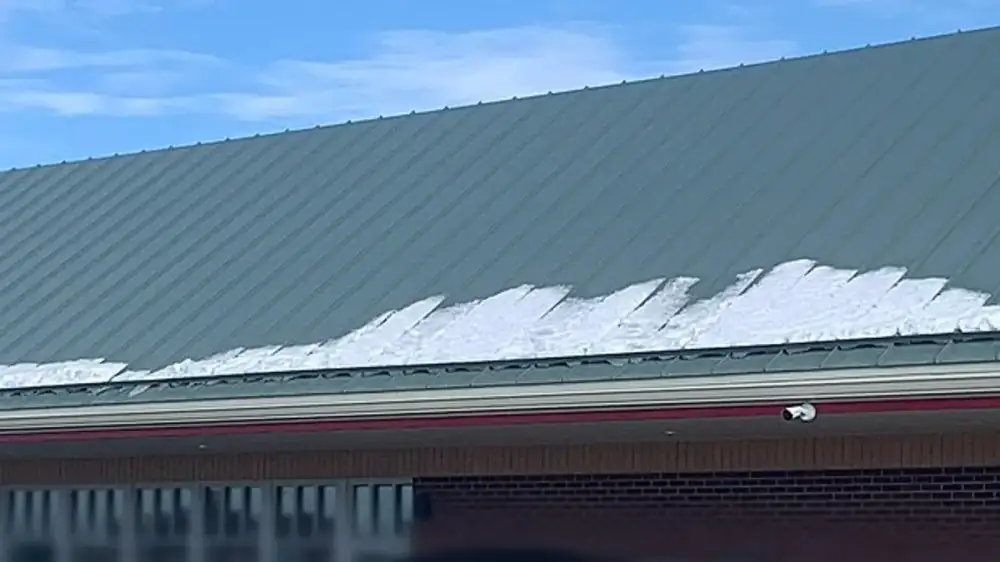
Drip edge and metal roof-edge trim are cheap parts that prevent expensive damage: they send runoff into the gutter and stop water wicking back under the shingles and behind the fascia. There is almost nothing to clean — the real care is inspection, watching the fascia below for the staining that betrays a failing edge. Skip the pressure washer, which forces water where the trim is meant to keep it out, and treat any work under the shingles as a roofer's job.
Ask most homeowners to name the parts of their roof and drip edge will not make the list. It's a strip of folded metal a few inches wide, running along the very lip of the roof, and it costs almost nothing. Yet the damage it quietly prevents — rotted fascia, soaked decking, water tracking down inside the wall — is among the most expensive on the house. Few components offer a worse return when they fail or a better one when they simply keep doing their job.
Caring for roof-edge metal, then, is unusual among exterior materials: it's barely about cleaning at all. It's about understanding what the metal does at that critical roof-to-gutter transition and catching the early signs when it stops doing it.
The mechanics of a well-managed edge
At the edge of the roof, water is at its most mischievous. Surface tension lets it curl back around the underside of the shingles and travel inward, toward the wood it should never reach. Drip edge defeats that by projecting the runoff outward, breaking the water's path so it falls cleanly into the gutter instead of wicking behind the fascia. A related profile, the gutter apron, does the same at the eave by carrying water positively into the trough.
Together with rake and fascia trim, these pieces knit the roofing, the gutters and the fascia into one system. The same water-directing logic extends to the flashing at valleys, walls and penetrations. When each piece overlaps the next correctly, water has no chance to reverse course. When one is missing, bent or corroded, the edge becomes a route inward rather than a barrier.
Sorting the terminology
It's easy to blur these terms, so it helps to keep them straight. Drip edge is a specific type of edge flashing along the eaves (the bottom edge) and rakes (the sloped sides). Flashing is the broader family of metal that seals transitions and penetrations — around chimneys, valleys, walls and vents. Drip edge is, in effect, the flashing of the roof's perimeter. Both direct water and both fail in similar ways, but they cover different parts of the roof, and a roofer will name them separately.
What it's made of, and whether it corrodes
Roof-edge metal is made from the same materials as gutters, and it behaves the same way against corrosion. Aluminum and copper resist it: aluminum doesn't rust at all, and copper patinas to a stable finish. Galvanized or painted steel is a different story — like steel gutters, it depends on its coating, and once that coating is breached, rust takes hold and spreads.
But the corrosion of the metal itself is only half the concern, and arguably the smaller half. The metal exists to protect the water-sensitive wood behind it — the fascia, soffit and roof decking that rot when they stay wet. A modest failure in a cheap strip of steel transfers straight into moisture damage in materials that are far harder and costlier to repair. That asymmetry is the whole reason the edge deserves attention out of proportion to its size.
Learning to read the fascia
Because edge metal rarely draws the eye, its failures usually announce themselves somewhere else — on the fascia and soffit below. That makes those surfaces the most useful thing to watch. From the ground, ideally with binoculars, look for water staining or rot on the fascia, paint peeling along the roof edge, water getting in behind the gutter, and visible gaps, rust or bent metal at the eaves and rakes. On some older homes you may find no edge metal at all, because it simply wasn't installed.
The trap here is misreading the symptom. Staining and softness on the fascia look like a paint problem or a gutter problem, when the real cause is water slipping past a failed or missing edge. Persistent staining or rot at the roofline is the cue to have the drip edge and flashing evaluated, rather than to repaint over the evidence. If your home lacks drip edge and you're seeing this kind of edge damage, it's worth raising with a roofer; retrofitting the metal means tucking it under the existing shingles, which is not a ground-level fix.
Cleaning without inviting water in
There is very little cleaning to do here, and good reasons not to overdo it. A pressure washer aimed at the eaves does three unhelpful things at once: it dents thin edge metal, chips or strips the coating that steel relies on, and — worst of all — drives water up under the shingles and behind the trim, causing precisely the intrusion drip edge was installed to prevent. Using high pressure here is self-defeating.
Gentle hand cleaning from safe, stable footing handles any grime the edge collects, and because this is roofline work, inspection and cleaning frequently belong to a professional. Keeping the adjacent gutter clear matters more than scrubbing the metal, since debris and standing water sitting against the edge are what shorten its life. Our comparison of pressure washing versus soft washing applies here, and cleaning the roof above should follow the cautions for asphalt shingles.
The reassuring part is how little roof-edge metal asks in return. Aluminum and copper last for the life of the roof; even steel earns its keep many times over before it corrodes, following the same durability pattern as the rest of the gutter system. Kept intact and paired with clear gutters, this small, overlooked strip of metal quietly protects the assemblies that would cost a fortune to dry out.
Keep reading
- What is a drip edge and why it matters
- Asphalt shingles: care and cleaning
- Aluminium gutters: care and durability
- Painted and galvanized steel gutters
- How long do gutters last? Repair vs. replacement
Answers to common questions
What does a drip edge actually do?
Drip edge is metal trim at the roof's edges that directs runoff off the roof and into the gutter while keeping water from wicking back under the shingles and behind the fascia. It protects the roof decking, fascia and the wall below from water intrusion — a small, inexpensive part doing outsized work. Our guide on what a drip edge is and why it matters explains it in detail.
Can I pressure wash metal roof edges?
There's little reason to, and it carries risk. High pressure can dent thin edge metal, strip its coating, and force water up under the shingles and behind the trim — the exact intrusion drip edge exists to prevent. Gentle hand cleaning from a safe position is all that's warranted. Because it's at the roofline, inspection and cleaning here often belong to a professional. See pressure washing vs. soft washing.
Do metal roof edges rust?
It depends on the metal. Aluminium drip edge doesn't rust; galvanized or painted steel edge can rust once its coating is breached, just like steel gutters. Copper resists corrosion and patinas. Rust or corrosion at the roof edge is worth attention because failure there lets water reach the decking and fascia.
How do I know if my drip edge has failed or is missing?
Signs include water staining or rot on the fascia, paint peeling at the roof edge, water getting behind the gutter, and visible gaps, rust or bent metal at the eaves and rakes. Some older homes were built without drip edge entirely. From the ground you can often spot missing or damaged edge metal and staining that points to it.
Is drip edge the same as flashing?
They're related but not identical. Drip edge is a specific type of edge flashing at the eaves and rakes that manages runoff at the roof's perimeter. Flashing more broadly refers to metal that seals transitions and penetrations — around chimneys, valleys, walls and vents. Both direct water and both fail in similar ways, but they do different jobs.
Can drip edge be added to an existing roof?
It can, though it's easiest and most effective when installed with a new roof, integrated correctly with the underlayment and shingles. Retrofitting it involves working at the roof edge and tucking metal under the existing shingles, which is professional work. If your home lacks drip edge and you're seeing edge water damage, it's worth raising with a roofer.
Keep reading
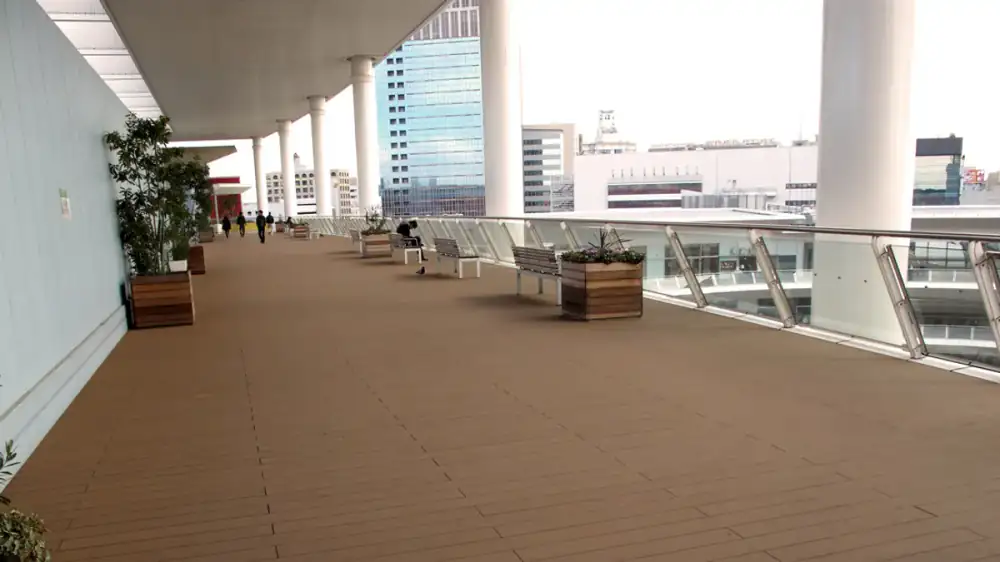
Composite Decking: Care and Cleaning
Composite decking is low-maintenance, not no-maintenance. Here's how to clean it, remove stains and avoid damaging the boards.
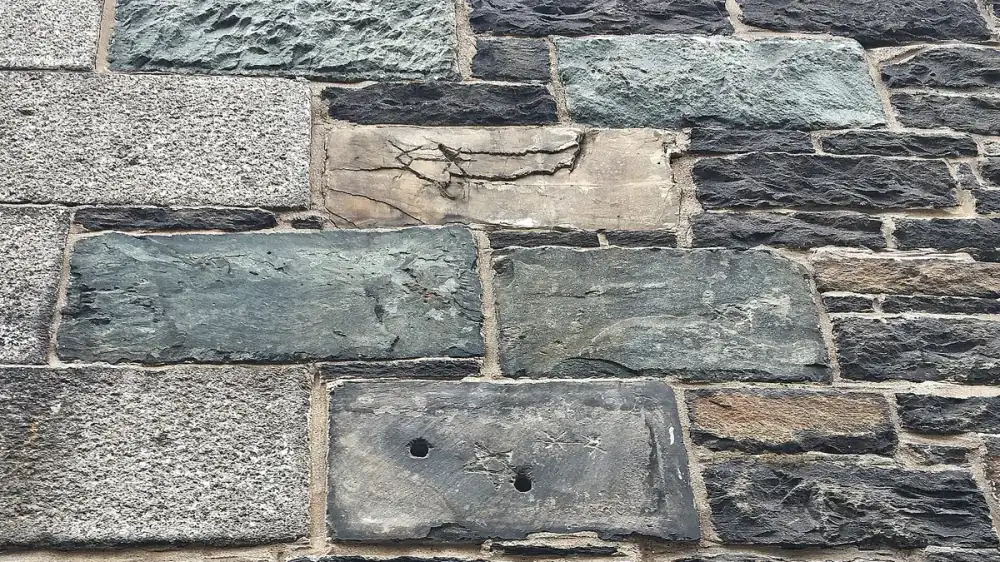
Natural Stone: Exterior Care and Cleaning
Natural stone is the most durable exterior surface, but some stones etch or stain easily. Here's how to clean and care for it safely.
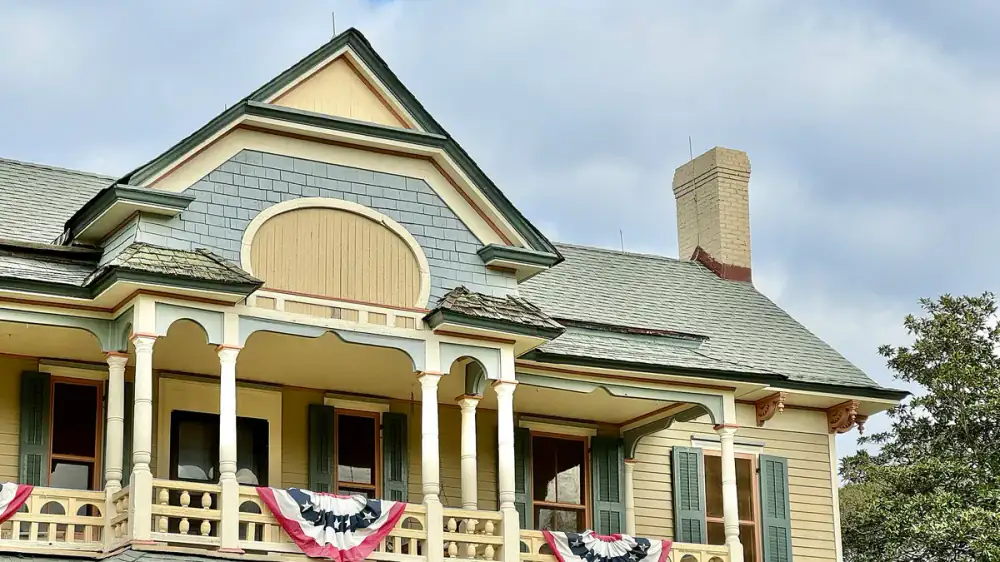
Painted Wood: Exterior Care and Cleaning
Painted wood is the most maintenance-hungry exterior surface. Here's how to clean it gently and keep the paint film that protects the wood intact.