Painted Wood: Exterior Care and Cleaning
Painted wood is beautiful and repairable, but it's the most maintenance-hungry exterior surface — the paint film is all that stands between the wood and water. Here's how to care for it.
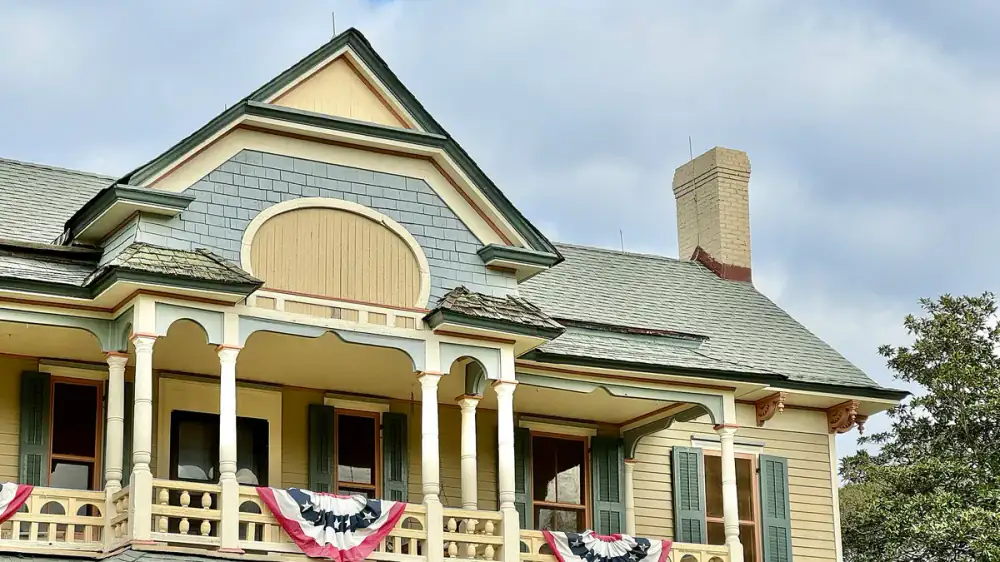
Painted wood asks for more upkeep than any other common cladding, and the reason is simple: the paint film is the only thing keeping water out of the wood, and wood rots when it stays wet. Clean it by soft washing — never with high pressure, which strips the film and gouges the grain — and stay ahead of peeling, failed caulk and bare spots before water gets in. Kept sealed and repainted on schedule, wood is endlessly repairable; left to fail, it rots.
Painted wood is the exterior most of us picture when we picture an old American house: clapboard and shingle siding, deep trim, porch columns, the details that give a place its character. Two things define living with it, and they pull in opposite directions. The good news is that it's endlessly repairable — a single rotten board can be swapped, and a proper repaint makes decades-old siding look new. The demanding news is that no other common cladding needs as much attention, for one reason that governs everything else.
That reason is worth stating plainly, because every maintenance decision flows from it. Wood is an organic material that swells, shrinks and eventually rots when it stays wet. The paint film is the single barrier holding water off it. Protect the film and the wood lasts generations; let the film fail and the countdown to rot begins.
Why the film is the whole story
A painted surface looks like a finish, but on wood it's really a raincoat, and a fragile one. Sun, rain and the constant seasonal movement of the wood underneath all work to crack, chalk and peel it. That would be a purely cosmetic nuisance on an inert material. On wood it's structural, because the instant the film breaks and bare wood is exposed, water soaks in, the wood swells and moves, and that movement lifts still more paint at the edges of the break. The failure feeds itself and accelerates.
This is also why the problems that show up on painted wood read as warnings rather than blemishes. Mildew and algae bloom on shaded, damp walls; chalking and fading mark a finish that's oxidizing in the sun; tannin bleed leaves brown streaks where cedar or redwood leaches through the paint; rust stains trail down from fasteners. Cleaning off dirt and mildew is routine housekeeping. Tannin bleed and rust are telling you to address a priming or fastener issue before the next repaint, not just to scrub.
Where rot actually begins
If the film is the raincoat, its most vulnerable seams are the cut ends and joints of the wood. End grain — the exposed ends of boards, mitered corners, butt joints — wicks water far faster than the flat face of a board does, drawing it deep where paint struggles to seal. Horizontal and upward-facing surfaces compound the problem by holding water rather than shedding it, which is why fascia, sills and porch details tend to fail first.
Keeping those spots caulked, primed and painted is not a detail; it's the difference between wood that lasts for generations and wood that rots in a handful of seasons. When you inspect, spend your attention there rather than on the broad, well-drained faces that hold up fine on their own.
Soft washing, and why pressure is the enemy
Painted wood sits at the most delicate end of the cleaning scale, so the pressure-washing answer is close to a flat no. High pressure strips the paint outright, raises and gouges the soft grain, blows out caulk and window glazing, and forces water into the wood and behind the siding — manufacturing the exact moisture damage you were trying to prevent. Cleaning it aggressively is one of the surest ways to shorten its life.
Soft washing is the appropriate method, and it's straightforward. Pre-wet the wall and the plants below with plain water, then apply a gentle cleaner — mild detergent for grime, a diluted bleach or mildewcide solution for mildew, kept off plants. Agitate softly with a soft-bristle brush, working with the grain, and don't let the cleaner dry on the finish. Rinse gently from the top down and let the wood dry fully before any repainting. If you're cleaning ahead of a repaint, removing every trace of mildew first is essential, because paint laid over it lets the growth push back through the new coat. If a pressure washer is used at all, it must be at very low pressure with a wide tip held well back — and honestly, a garden hose and a brush are usually safer. The reasoning is laid out in pressure washing versus soft washing, and the same cautions carry over to any wood deck; for green and black growth, the method in removing algae from exterior walls applies.
Staying ahead of the repaint
Everything about painted-wood maintenance is a race to repaint before bare wood meets water. Inspect the film once a year for fading, chalking, hairline cracking and the first signs of peeling, and repaint at that first failure rather than waiting — catching it early is far cheaper than dealing with rot. There's no fixed calendar; sun-facing and weather-exposed walls simply fail first and set the pace. Alongside the paint, keep caulk and joints sealed at end grain, corners and around windows and doors; keep gutters, drainage and flashing steering water away from the wood; trim vegetation back so plants aren't pinning moisture against the siding; and prime bare wood and knots before repainting, using a stain-blocking primer where tannin bleeds through.
Reading the warning signs is mostly about telling cosmetic from structural. Cracking and heavy chalking mean an aging finish that's due for repainting. Peeling or blistering paint is a genuine alarm — the protective film has failed, and the job is to find the moisture source, not just repaint over it. Soft, spongy or dark wood is the worst case: rot has already started, and that wood needs repair or replacement, not a fresh coat. Persistent mildew points to chronic shade and damp; open joints and failed caulk are open doors for water.
Held to that discipline, painted wood is extraordinarily long-lived — many century-old homes still wear their original siding. But its durability is entirely conditional. It needs repainting far more often than fibre cement or vinyl, and it rots if water gets in and stays. Its lifespan is best described as high but earned: exactly as good as the care it receives, and no better.
Keep reading
- Pressure washing vs. soft washing
- How to clean a wood deck
- How to remove algae from exterior walls
- Fibre cement siding: care and cleaning
- Vinyl siding: care and cleaning
- Composite decking: care and cleaning
Your questions, answered
Can I pressure wash painted wood?
Not at high pressure. Painted wood is among the most delicate exterior surfaces — high pressure strips paint, gouges the soft wood grain, and drives water into the wood and behind the siding. Soft washing with a cleaning solution, a soft brush and a gentle rinse is strongly preferred. If you must use a pressure washer, keep it very low, use a wide tip, and stay well back. See pressure washing vs. soft washing.
Why is my exterior paint peeling?
Peeling almost always comes down to moisture and adhesion. Water getting behind the paint — from failed caulk, poor drainage, interior humidity or bare wood — lifts the film. Painting over dirty, damp or glossy surfaces, or skipping primer on bare wood, also causes peeling. The fix is to find the moisture source, scrape and sand to sound material, prime bare wood, and repaint.
How do I clean mildew off painted wood?
A diluted bleach solution or a mildew-specific cleaner applied gently with a soft brush, then rinsed, kills and removes most mildew. Keep it off plants and rinse thoroughly. If you plan to repaint, cleaning off all mildew first is essential — painting over it lets it grow back through the new finish. Our algae and mildew guide covers the method.
How often does painted wood need repainting?
More often than most other cladding — the paint film is a wear item exposed to sun, rain and movement. Sun-facing and weather-exposed walls fade and fail first. Rather than a fixed schedule, watch for fading, chalking, hairline cracking and the first signs of peeling, and repaint before bare wood is exposed to water.
How do I stop wood siding from rotting?
Keep water out of it. That means maintaining an intact paint or stain film, sealing joints and end grain with caulk, keeping gutters and drainage directing water away, trimming vegetation off the wall, and repairing failed flashing. Rot starts where water sits — at end grain, joints, and any bare or peeling spot — so catching those early is the whole game.
Is stained wood cared for the same as painted wood?
Similar principles, different finish. Stain penetrates rather than forming a film, so it tends to fade and need reapplication rather than peel. Both rely on keeping water out of the wood, both favor gentle cleaning over high pressure, and both need attention at joints and end grain where water gets in.
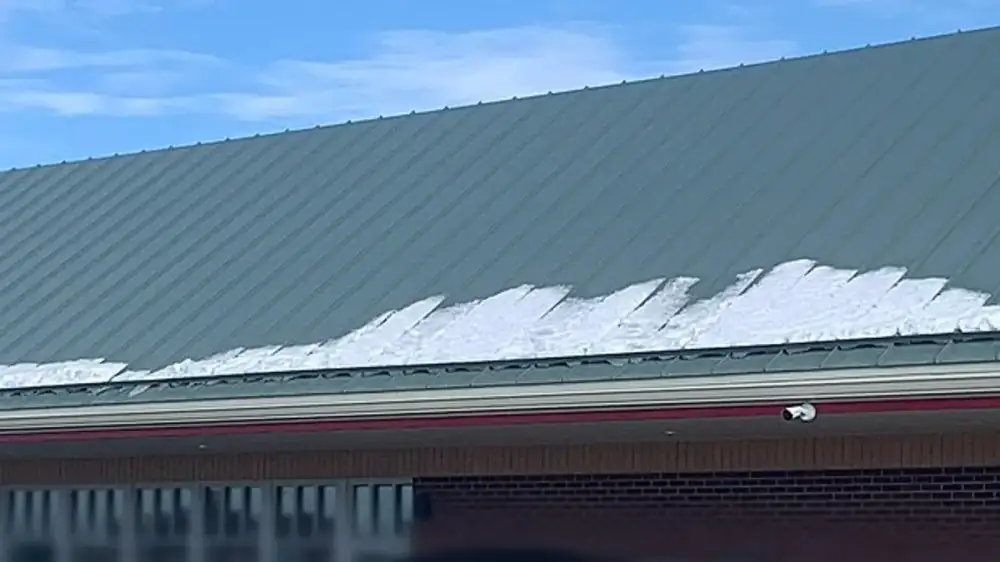
Metal Roof Edges and Drip Edge
Drip edge and metal roof-edge trim quietly protect the fascia, decking and gutters. Here's what they do and how to keep them working.
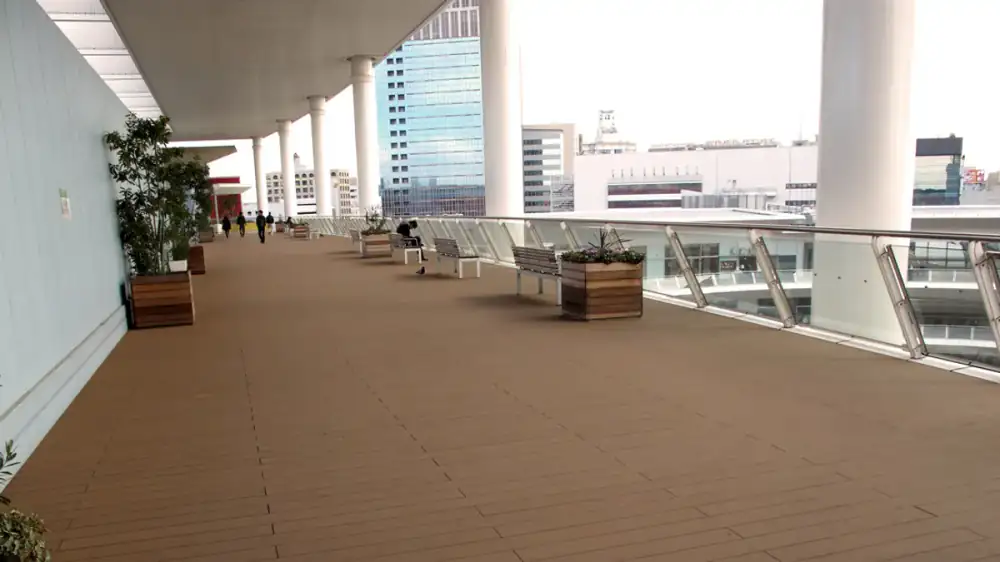
Composite Decking: Care and Cleaning
Composite decking is low-maintenance, not no-maintenance. Here's how to clean it, remove stains and avoid damaging the boards.
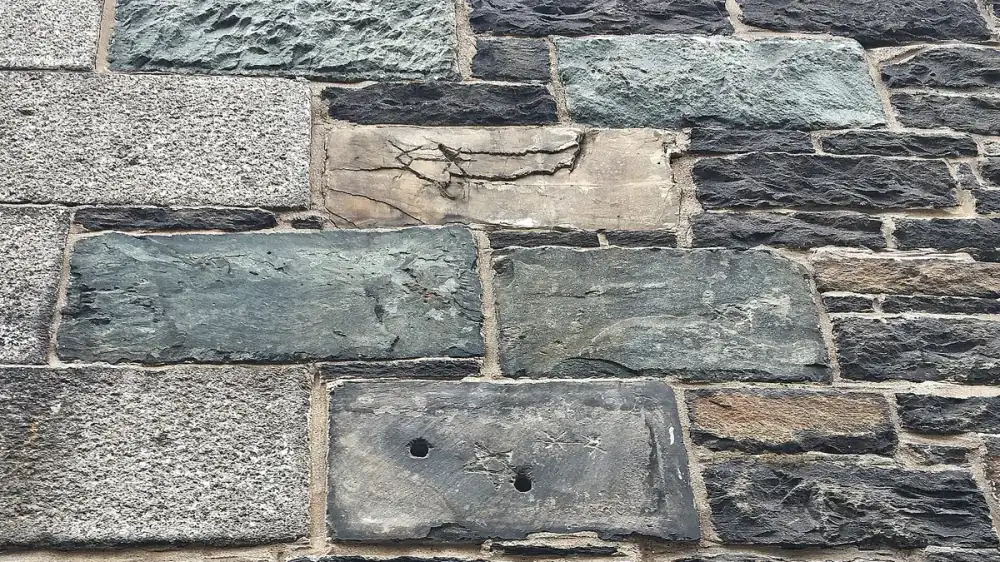
Natural Stone: Exterior Care and Cleaning
Natural stone is the most durable exterior surface, but some stones etch or stain easily. Here's how to clean and care for it safely.