How Color Choice Affects Fading and Heat
The color you pick for an exterior isn't only an aesthetic decision. Dark and light surfaces fade differently, run at different temperatures, and put different stress on the materials underneath — and those differences last as long as the color does.
Color is a durability decision, not just an aesthetic one. Dark, saturated colors absorb more heat and show fading more dramatically; light colors run cooler and hide fading better. The extra heat in a dark surface drives bigger expansion-and-contraction cycles, adding stress to finishes, joints and heat-sensitive materials over time. Dark colors aren't off-limits — but on sun-facing surfaces they ask more of the material and finish, so use quality UV-stable products and confirm the material tolerates the color. Choose the color deliberately, knowing the trade-off.
Choosing an exterior color feels like an aesthetic decision, and of course it is one. But it's also a durability decision that keeps making itself for as long as the color stays on the house. Dark and light surfaces don't just look different — they fade differently, they run at different temperatures in the sun, and they impose different amounts of stress on the finish and the material beneath. None of this means you should let a chart of trade-offs pick your palette. It means the color you love is worth choosing with your eyes open, because the same qualities that make a color striking often make it more demanding.
Color and fading: darks show their age
Every exterior color fades under the sun, because UV breaks down pigments over time regardless of shade. But dark, saturated colors and light ones experience that fading very differently. A deep, rich color simply has more color to lose, and the contrast between its faded and unfaded state is stark — the change reads dramatically, and it reads unevenly, worst on the faces that take the most sun. A light color shifts too, but with less contrast between old and new, so the fading is far less noticeable even when it's happening at a similar underlying rate.
The practical upshot is that darks show their age more visibly. A bold color that looks magnificent on installation day is also the color that will most obviously reveal years of sun exposure, especially as different faces of the house fade at different rates. This isn't a reason to avoid dark colors, but it's a reason to pair them with quality, fade-resistant, UV-stable products when you do, and to expect that the fading, when it comes, will be more apparent than it would be on a paler house. Fading is one specific expression of the broader way sunlight ages everything outdoors, which we take apart in how UV and sun age exterior materials.
Color and heat: darks run hot
The second effect of color is the one people feel with their hand on a sunny wall. Dark colors absorb more of the sun's energy and reflect less of it, so a dark surface in full sun runs considerably hotter than a light surface beside it. Anyone who's touched a dark car roof and a light one on the same afternoon knows the difference is not subtle.
On a house, that extra heat matters for more than comfort. A hotter surface goes through bigger daily temperature swings — hotter in the sun, then cooling at night — and those swings mean more expansion and contraction of the material. That thermal cycling is a real, if quiet, stress. It works on finishes, fatigues sealed joints, and in materials sensitive to heat can encourage warping, movement or distortion. A light-colored surface, running cooler, cycles less and imposes less of this stress on everything it's made of and attached to. Heat, like UV, is a load the color choice either adds or spares.
Where the two effects meet: stress on the whole assembly
Fading and heat aren't separate stories; they compound. A dark, sun-facing surface is simultaneously losing color visibly and running hot, and the heat accelerates the aging of the very finish that's holding the color. The bigger expansion-and-contraction cycles that heat drives also work on the finish and the joints, so a dark surface can be tougher on its coating in two ways at once — the UV fading it directly, and the thermal cycling fatiguing it mechanically.
This is why color interacts with the material and the finish underneath, not just with the eye. Some materials tolerate heat and movement better than others; certain sidings and plastics are more prone to warping when they run hot, and heat-sensitive materials sometimes even carry guidance about how dark a color they'll happily wear. The finish, meanwhile, is absorbing much of this punishment on the material's behalf, which is exactly why keeping it intact matters so much — a theme central to how paint and finish drive durability. Color, in short, is one of the inputs that determines how hard a life the finish and the material are going to have.
Exposure changes the equation face by face
Neither the fading nor the heat effect is uniform across a house, and that's genuinely useful to know. South and west faces take the most sun, so both effects are strongest there — the most fading, the most heat, the most thermal stress. North and shaded faces see far less of either. This means a dark color that would struggle on a blazing south-facing wall might be perfectly happy on a sheltered north one, and a color decision that seems monolithic is really a set of different situations depending on aspect.
So when you're weighing a bold or dark color, it helps to think about which faces it will actually live on and how much sun each catches, rather than judging the color as one decision for the whole building. The same palette can be an easy choice in one location and a demanding one in another. This aspect-driven variation is the same pattern that governs where finishes fail first and where moisture lingers — exposure concentrates every weathering effect, color's included.
Choosing color deliberately
None of this is an argument for a house full of pale, safe colors. Dark and saturated exteriors can be stunning and can absolutely be durable — the goal isn't to avoid them but to choose them knowingly. If you want a dark color on a sun-facing surface, the levers that make it work are the same ones that fight UV aging generally: quality, UV-stable, fade-resistant products; confirming that the specific material tolerates the color and the heat that comes with it; and keeping the finish clean and intact so it resists degradation as long as possible.
And it helps to hold realistic expectations. Because fading is uneven and heat is unavoidable in the sun, the sensible aim is graceful, even weathering over the years rather than permanence — a color that ages well, not one that never changes. If durability is your top priority, colors that hide fading better and run cooler make the finish's job easier and stretch the interval before anything looks tired. If a bold statement matters more, that's a legitimate choice too, made with the trade-off understood rather than discovered later.
The through-line is simple: color is one of the few weathering variables you fully control at the moment of purchase, and it keeps affecting fading, heat and stress for as long as it's on the house. Treat it as the durability decision it partly is, weigh it against the material and the exposure, and you can have the look you want without being surprised by what it costs the surface over time. For how color fits alongside the other choices that separate long-lived exteriors from disappointing ones, the wider picture runs through the truth about low-maintenance materials.
Your questions, answered
Do dark exterior colors really fade faster than light ones?
They tend to show fading more dramatically, which isn't quite the same as fading faster in every case. Dark, saturated colors have more color to lose and reveal the change more visibly, and they absorb more heat and light, which adds stress. Light colors shift less noticeably because there's less contrast between faded and unfaded. Pigment quality matters too — but as a rule, darks show their age more, and that's worth knowing before you commit to a bold color.
Why do dark surfaces get so much hotter?
Because dark colors absorb more of the sun's energy and reflect less of it, so a dark surface in full sun runs considerably hotter than a light one beside it. That heat isn't just uncomfortable to touch — it drives bigger daily temperature swings in the material, meaning more expansion and contraction, more stress on finishes and joints, and in some materials a greater tendency to warp or move. Light colors stay cooler and put less thermal stress on what's underneath.
Does a hotter surface actually damage the material?
It can add stress, particularly to materials sensitive to heat and movement. Higher surface temperatures mean larger expansion-and-contraction cycles, which work on finishes, sealed joints and fasteners over time and can accelerate their aging. Some materials — certain sidings and plastics especially — are more prone to warping or distortion when they run hot. It's rarely a sudden failure; it's an added long-term stress that dark colors impose and light ones largely avoid.
Should I avoid dark colors on my house entirely?
No — plenty of homes wear dark colors beautifully and durably. The point is to choose with the trade-offs in mind: on sun-facing surfaces and heat-sensitive materials, dark colors ask more of the material and the finish, so it's worth using quality, fade-resistant, UV-stable products and confirming the material tolerates the color. Dark is a legitimate choice; it just isn't a free one, and knowing that lets you make it deliberately rather than being surprised later.
Does color choice matter more on some sides of the house?
Yes. South and west faces take the most sun, so both the fading and the heat effects of color are strongest there, while shaded and north faces see far less of either. A dark color that struggles on a blazing south wall may be perfectly happy on a sheltered north one. When weighing a bold color, think about which faces it will live on and how much sun each catches, rather than judging it as a single decision for the whole house.
How can I keep a color looking good longer?
Choose quality, UV-stable, fade-resistant products, favor colors that hide fading better if durability is the priority, and keep the surface clean and its finish intact so it resists degradation. Because fading is uneven — worst on the sunny faces — even weathering is the realistic goal rather than permanence. And remember the finish is doing the work: keeping the coating sound protects both the color and the material beneath it far longer than any single perfect choice at purchase.
You might also like
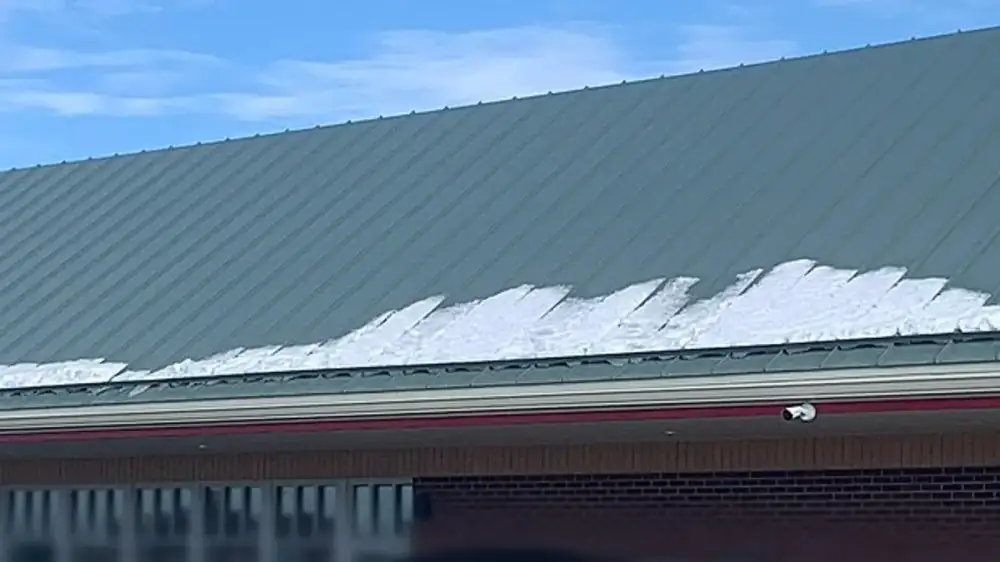
Metal Roof Edges and Drip Edge
Drip edge and metal roof-edge trim quietly protect the fascia, decking and gutters. Here's what they do and how to keep them working.
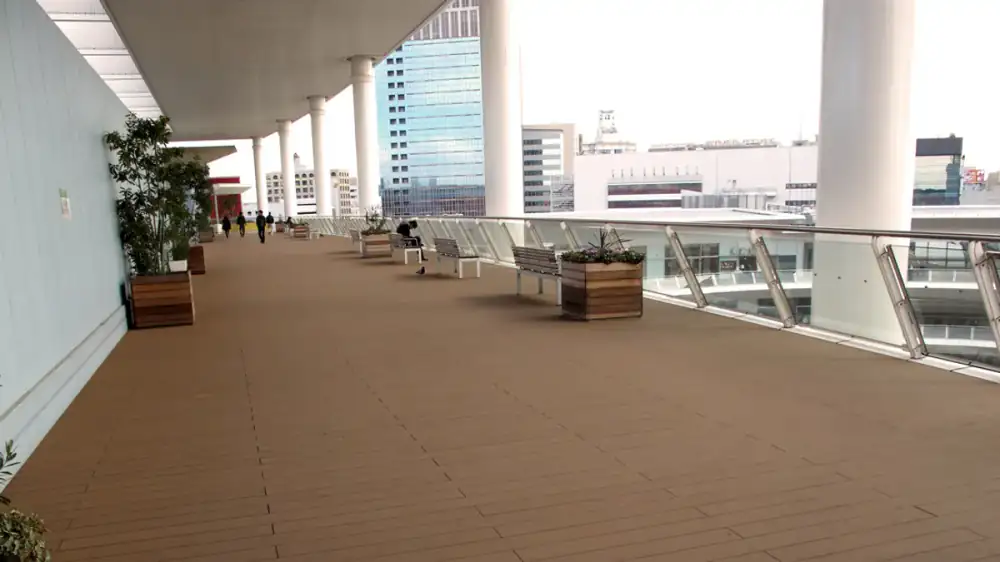
Composite Decking: Care and Cleaning
Composite decking is low-maintenance, not no-maintenance. Here's how to clean it, remove stains and avoid damaging the boards.
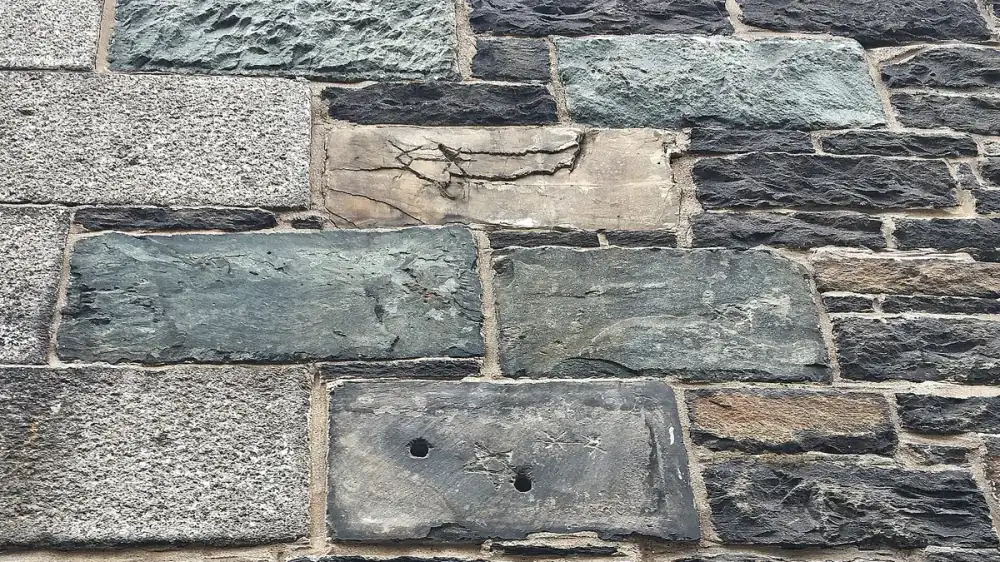
Natural Stone: Exterior Care and Cleaning
Natural stone is the most durable exterior surface, but some stones etch or stain easily. Here's how to clean and care for it safely.