How UV and Sun Age Exterior Materials
Rain gets the blame for most exterior wear, but sunlight is the quieter, more universal culprit. UV works on nearly everything a house wears — fading color, chalking finishes, embrittling plastics — and it never takes a day off.
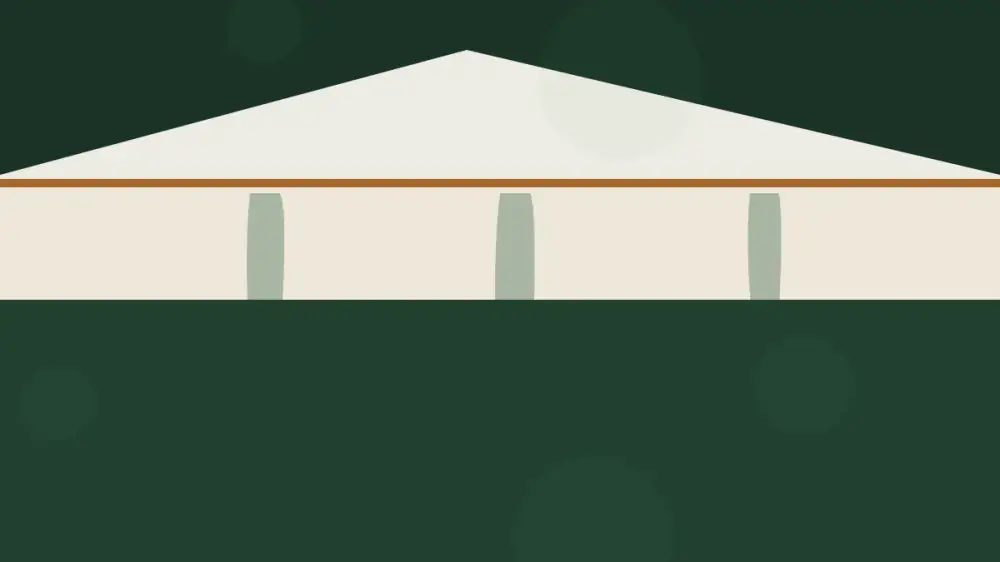
Sunlight ages nearly everything outdoors. UV breaks down the binders in finishes (causing fading and chalking) and the polymers in plastics (causing brittleness), while the daily heat cycle adds expansion-and-contraction stress on top. The tell-tale pattern is that south- and west-facing surfaces wear first, because they take the most sun. You can't stop UV, but you can slow it — with UV-stable products, fade-resistant colors, and keeping finishes clean and intact so the sun degrades the coating rather than what's underneath.
Ask what wears out a house and most people will say the rain. Water certainly does its share, and it's behind the most dramatic failures. But there's a quieter, more relentless force at work on every sunny day, and it doesn't need a storm to do damage. Sunlight — specifically its ultraviolet component — works on nearly every material a house wears, breaking down finishes, bleaching colors and embrittling plastics, whether or not a drop of rain ever falls. It's the most democratic of the weathering forces: rain skips the sheltered spots, but the sun finds almost everything.
What UV actually does to materials
Ultraviolet light carries enough energy to break chemical bonds, and that's the root of nearly all sun-driven aging. In coatings, UV attacks the binder — the component that holds a finish together and holds it to the surface. As those bonds break, the finish loses cohesion and grip: color fades as pigments degrade, and the surface begins to shed loose pigment as a powder. In plastics and synthetics, UV goes after the polymer chains that give the material its strength and flexibility, so over time it grows more brittle and prone to cracking.
None of this needs moisture to happen. A finish on a bone-dry wall in a dry climate still fades and chalks under the sun; a plastic component still embrittles. That's what makes UV distinct from the water-driven decay that dominates so many other exterior problems. It's a purely light-driven degradation, and it's happening on every clear day, all day, to the surfaces the sun can reach. Sun and water often team up — the daily heat cycle adds its own expansion-and-contraction stress, and a UV-weakened finish then cracks and lets water in — but the sun starts the process on its own.
The tell-tale pattern: the sunny sides go first
If you want to see UV aging in action, compare the faces of your own house. South and west faces take the strongest, longest sun and the biggest daily temperature swings, and they age visibly faster than the north side or any sheltered area. The paint fades first there, the finish chalks first there, the material tires first there. It's one of the most reliable patterns in all of exterior maintenance: the same material, on the same house, installed on the same day, ages at different rates purely according to how much sun each part catches.
This pattern is genuinely useful. It tells you where to look when you're inspecting — start with the sun-facing surfaces, because that's where any finish problem will show up earliest. It tells you where to expect to spend maintenance effort first. And it's a reminder that "how a material ages" is never a single answer; it's a function of exposure as much as of the material itself. Aspect and exposure concentrate wear in specific places, the same way moisture concentrates rot in shaded, wet spots — two sides of the same exposure story.
Fading, chalking, brittleness: three faces of the same process
The visible signs of UV aging tend to arrive in a recognizable order and family. Fading comes first and most universally — colors soften, deepen or wash out as pigments break down, and saturated darks show it most dramatically. Chalking follows as the binder degrades enough to release loose pigment; rub a sun-tired painted surface and the residue comes off on your hand. Both are, in moderation, normal surface aging and largely cosmetic.
Brittleness is the more serious end, and it mostly affects plastics and synthetics. As UV breaks down their polymers, materials that were flexible and impact-tolerant when new grow harder and more fragile, so older vinyl and plastic components can crack rather than merely discolor. This is why "doesn't rot, doesn't rust" doesn't mean "doesn't age" — synthetic materials sidestep water-driven decay but still answer to the sun, aging cosmetically through fade and, eventually, mechanically through brittleness. Every material has a component that takes the punishment first, and understanding which one it is for a given surface is central to reading its whole aging story.
Why the finish takes the hit (and why that's the plan)
On any surface protected by a coating, the finish is the layer the sun strikes, which means the finish absorbs nearly all the UV damage before the substrate feels any. That's not a flaw — it's the arrangement working as intended. The coating is meant to be the sacrificial, renewable layer, degrading under the sun so the material beneath stays protected. Fading and chalking on a painted surface are the finish doing its job: taking the UV so the wood, metal or board underneath doesn't.
The implication for care is straightforward. Because the finish is the frontline against the sun, keeping it intact is what keeps the substrate protected — and letting it degrade to the point where it wears through exposes the material behind to everything it was being shielded from. This is the same logic that runs through how paint and finish drive durability: the coating usually determines how long the whole assembly lasts, and UV is the biggest reason the coating has a finite life in the first place. Renew the finish before the sun wins, and the substrate stays fresh; wait too long, and you're repairing the material, not just recoating it.
Slowing the sun
You can't stop UV, but you have real levers to slow its effects. The first is product choice: finishes and materials formulated to be UV-stable degrade more slowly, holding color and integrity longer under the same sun. The second is color, which is one of the few fading variables you fully control at purchase — darker, more saturated colors generally show fading more and absorb more heat, adding thermal stress, while lighter colors fade less visibly and run cooler. That interaction between color, fading and heat is worth its own consideration, which we take up in how color choice affects fading and heat.
The third lever is upkeep. A clean surface with an intact finish resists UV degradation better and longer than a neglected one, so the ordinary work of keeping surfaces washed and catching finish breaches early genuinely extends the fight against the sun. When you do clean, matching the method to the material still matters — a UV-tired, chalky finish is more fragile than a fresh one, so the gentle-versus-forceful judgment in pressure washing versus soft washing applies with extra force to sun-aged surfaces.
Reading sun aging correctly
The last skill is knowing when UV aging is fine and when it's crossed a line. Healthy sun aging is even, gradual and surface-level — uniform fading, a settled duller tone, a bit of chalk. It becomes a problem when it stops being merely cosmetic: a finish worn through to bare substrate on the sunny faces, plastics cracking from brittleness, coatings degraded to the point that water can now get in behind them. Even fading you can usually live with and address on your own schedule. Exposed substrate, cracking and breaches are the signals that the sun has moved from weathering the surface to threatening what's underneath — and that's when to act.
Sunlight, in the end, is the patient partner to rain in aging a house. It works on almost everything, it never rests, and it does its damage quietly enough that people credit the storms instead. Recognize its signature — the sunny sides going first, the fade, the chalk, the brittleness — and you can meet it where it starts, on the finish, before it reaches anything you'd rather not repair. For how the sun fits alongside water and the other forces over a material's whole life, the material-by-material picture is in our reference guides across the materials library.
Questions homeowners ask
Why do south- and west-facing surfaces wear out first?
Because they take the most sun. South and west faces receive the strongest, longest UV exposure and the biggest daily temperature swings, so finishes fade and fail there first while sheltered or north-facing surfaces still look fresh. It's one of the most reliable patterns in exterior aging: the same material on the same house ages at different rates depending on how much sun each face catches. When you inspect, start with the sunny sides.
What is chalking, and is it a problem?
Chalking is the powdery residue you get when UV breaks down the binder in a paint or finish, leaving loose pigment on the surface — rub a faded painted wall and you'll see it on your hand. In moderation it's normal surface aging and largely cosmetic. Heavy chalking signals a finish that's degrading and losing its protective grip, so it's a cue that the coating is nearing the end of its useful life and the surface underneath is closer to being exposed.
Does UV really make materials brittle?
Yes, especially plastics and some synthetics. UV breaks down the polymer chains that give these materials their flexibility and impact resistance, so over years they can grow more brittle and prone to cracking, on top of fading. It's why older vinyl and plastic components can become fragile rather than just discolored. The change is gradual and cosmetic-to-mechanical rather than sudden, but it's real, and it's a reason 'doesn't rot' isn't the same as 'doesn't age.'
Can I stop UV fading entirely?
Not entirely — sunlight reaches everything outdoors, and every color and finish shifts to some degree over enough time. What you can do is slow it: choosing fade-resistant, UV-stable products and finishes, favoring colors that show fading less, and keeping surfaces clean and finishes intact so they resist degradation longer. Think of UV aging as something you manage and slow rather than defeat. The goal is graceful, even fading, not permanence.
Does color choice affect how fast something fades?
It does. Darker and more saturated colors generally show fading more dramatically and absorb more heat, which adds thermal stress on top of the UV, while lighter colors tend to fade less visibly and run cooler. The pigment itself also matters — some are far more UV-stable than others. Color is one of the few fading variables you fully control at purchase, which is why it's worth thinking about up front rather than only about the shade you like today.
How do I tell UV aging from actual damage?
UV aging tends to be even, gradual and surface-level — uniform fading, a settled duller tone, light chalking. It becomes a problem when it lets water in or reaches structure: a finish chalked and worn through to bare substrate, plastics cracking from brittleness, or coatings failing on the sunny faces to the point the material beneath is exposed. Even fading is usually fine; breaches, cracking and exposed substrate are the signals to act.
Related guides
Metal Roof Edges and Drip Edge
Drip edge and metal roof-edge trim quietly protect the fascia, decking and gutters. Here's what they do and how to keep them working.
Composite Decking: Care and Cleaning
Composite decking is low-maintenance, not no-maintenance. Here's how to clean it, remove stains and avoid damaging the boards.
Natural Stone: Exterior Care and Cleaning
Natural stone is the most durable exterior surface, but some stones etch or stain easily. Here's how to clean and care for it safely.