The Truth About Low-Maintenance Materials
"Low-maintenance" is one of the most oversold phrases in home building. It's real, but it's a comparison, not a promise — and the homeowners who hear it as "never touch it again" are the ones who end up surprised.

"Low-maintenance" is real, but it's a comparison, not a guarantee — it means fewer and easier chores than the alternative, never zero. Every exterior material still needs periodic cleaning, still ages, and still depends on the details around it (flashing, sealants, fasteners, drainage) staying sound. The materials that ask the least are the ones that don't rely on a renewable coating and don't rot, but even those aren't "no-maintenance." Treat the phrase as "less work," and you'll be a satisfied owner.
Walk any siding aisle or read any product brochure and you'll meet the phrase over and over: low-maintenance, maintenance-free, install it and forget it. It's one of the most persuasive things you can say about a building material, and it's not exactly a lie. Some materials genuinely ask far less of you than others. But the phrase gets heard as a promise it was never able to make, and the gap between "low" and "none" is where a lot of homeowner disappointment lives. The useful move is to take the claim seriously but literally: low, relative to what, and low in exactly which tasks?
"Low" is a comparison, and comparisons need a baseline
The trouble with "low-maintenance" as a standalone label is that it has no meaning without something to compare against. Low compared to painted wood, which historically set the bar for high maintenance by needing regular repainting? Almost everything clears that bar. Low compared to a material that needs literally nothing? Nothing clears that bar, because it doesn't exist.
So the first honest reframe is to hear the phrase as inherently relative. Vinyl is low-maintenance compared to wood that needs a fresh coat every several years. A quality metal roof is low-maintenance compared to a surface that grows moss and rots. Brick is low-maintenance compared to a material with a finish you have to renew. In each case the claim is true and useful — and in each case it's describing a position on a spectrum, not a destination off the end of it. The maintenance tradeoffs between materials are exactly that, tradeoffs, and it helps to see where a given surface actually sits rather than filing it under a binary label.
What low-maintenance actually buys you
If low-maintenance doesn't mean no work, what does it mean in practice? Three things, mostly.
First, it usually means no scheduled refinishing. The single biggest maintenance burden in the traditional exterior is the renewable coating — paint or stain that ages, fails, and has to be redone on a recurring basis. Materials sold as low-maintenance typically skip that cycle: their color is integral, or their surface doesn't need a protective film renewed. That alone eliminates the most predictable, most laborious chore a house can have.
Second, it means forgiveness. A low-maintenance material tolerates neglect without punishing you quickly. Miss a cleaning, ignore it for a season, and it doesn't rot, rust through or fail — it just gets dirty and waits. High-maintenance materials are less patient; neglect compounds fast.
Third, it means easy tasks when tasks do come up. The upkeep a low-maintenance surface needs tends to be simple — a wash, a rinse, an occasional check — rather than skilled, time-consuming refinishing. That's a real and worthwhile difference. It's just not the same as nothing.
The task almost nothing escapes: cleaning
Here's the chore that survives every low-maintenance claim: washing. Dirt, pollen, atmospheric grime, and the algae and organic growth that colonize damp and shaded surfaces land on everything outdoors, regardless of what it's made of. They don't care whether your siding is rot-proof or your gutters are rust-proof. Left in place, that buildup stains, looks tired, and holds moisture against the surface — which on some materials speeds up the aging you were trying to avoid.
If anything, cleaning matters more on low-maintenance materials, precisely because it's often the only upkeep they get. When you've bought a surface specifically so you don't have to refinish it, the periodic gentle wash becomes the whole of its care — and skipping it undoes much of the point. The method should still match the material; even durable surfaces have limits, which is why it's worth understanding the difference between pressure washing and soft washing before aiming anything powerful at your "worry-free" siding.
The weak point moves — it doesn't disappear
Perhaps the most important truth about low-maintenance materials is that they don't remove risk; they relocate it. A material that can't rot, rust or fade shifts the vulnerability onto the parts of the assembly that still can fail — and those are usually the connections and the coatings, not the face of the material.
Think about what's actually holding a low-maintenance exterior together and keeping water out: flashing, sealed joints, fasteners, and the drainage that carries water away. Every one of those ages on its own schedule. A rot-proof siding board does nothing for you if the caulk and sealant at its joints has cracked and is letting water behind it. A rust-proof panel doesn't help if the fasteners holding it are the wrong metal and are corroding. The material lived up to its billing; the details around it didn't. This is why so many "how did this fail?" stories about maintenance-free materials trace back to a joint, a coating or a connection — the material shifted the problem to its edges. Sealed joints in particular have a lifespan of their own, a subject worth its own look in sealants that last vs sealants that fail.
Reading the spectrum honestly
So where do common materials actually fall? As a rough map: masonry like brick and stone sit at the genuinely-low end, asking mainly for occasional cleaning and attention to mortar and water over the long haul. Quality metal is low-effort on its surface, with its risks concentrated at coatings and dissimilar-metal contact. Vinyl and other synthetics are low-maintenance in that they don't rot or need refinishing, though sun slowly changes them and their seams and fasteners still matter. And painted wood sits firmly at the high-maintenance end, because it lives and dies by a coating you have to renew — the very opposite of the promise.
The pattern is clear once you look for it: materials that don't depend on a renewable finish and don't rot ask the least, while anything relying on a coating, or able to rot or corrode, asks more. But not one of them asks for nothing.
Buy it, but buy it clear-eyed
None of this is an argument against low-maintenance materials. For a lot of homeowners they're absolutely the right call — the value of never repainting, of a surface that shrugs off neglect, of chores measured in a wash rather than a weekend of scraping, is real and often well worth a higher upfront price. The point is simply to buy the actual thing rather than the fantasy.
The satisfied owners of low-maintenance exteriors are the ones who went in understanding the deal: fewer and easier tasks, not zero tasks; a face that takes care of itself, paired with edges and details that still need watching; and a standing commitment to the one chore nothing escapes, which is keeping the surface clean. Hear "low" as "less," give the material the little it does ask, and it will more than live up to its name. Hear "low" as "never," and even the most self-sufficient surface will eventually prove you wrong.
Common questions
Is any exterior material truly maintenance-free?
No. Every material outdoors takes weather, holds dirt and organic growth, and eventually shows its age. The honest phrase is low-maintenance, and it's always a comparison — this material asks less than that one. Even the most self-sufficient surfaces need periodic cleaning, and most have at least one component (a joint, a coating, a fastener) that needs occasional attention. Maintenance-free is marketing, not a material property.
What does low-maintenance actually mean, then?
It means fewer, easier, and more forgiving tasks — not zero tasks. A low-maintenance material typically doesn't need refinishing on a schedule, tolerates neglect without rapid failure, and cleans up with simple methods. But it still needs cleaning, still ages, and still depends on the details around it — flashing, sealants, drainage — staying sound. Low is about the size and frequency of the chores, not their absence.
Which materials are genuinely lower-maintenance than others?
As a rough ranking, materials that don't rely on a renewable coating and don't rot tend to ask the least — brick and stone, quality metal, and vinyl among the synthetics. Materials that depend on a finish you have to renew, or that can rot or corrode, sit higher on the effort scale — painted wood most of all. But every one of these still needs cleaning and still has a weak point, so it's a spectrum, not two categories.
Does low-maintenance mean I can skip cleaning?
No — cleaning is the one task almost nothing escapes. Dirt, pollen, algae and organic growth land on every exterior surface regardless of what it's made of, and left alone they trap moisture, stain, and in some cases accelerate aging. Even the most durable material benefits from periodic gentle washing. If anything, low-maintenance materials make cleaning more important, because it's often the only upkeep they need.
Why did my low-maintenance siding still fail?
Usually because the failure wasn't in the siding — it was in the details around it. Flashing, sealed joints, fasteners and drainage all age on their own timelines, and when they let water in, even a rot-proof, rust-proof surface can't save the assembly behind it. Low-maintenance materials shift the risk to the connections and the coatings rather than eliminating it, so those are where problems tend to appear.
Is low-maintenance worth paying more for?
Often, if you value your time and dislike recurring chores — a material that never needs repainting can be worth a higher upfront cost over the years you own the house. But go in clear-eyed: you're buying less work, not no work, and you're usually trading the frequent, small tasks of a high-maintenance material for rarer but sometimes larger ones. Weigh it as a total-effort question, not a one-time purchase.
You might also like
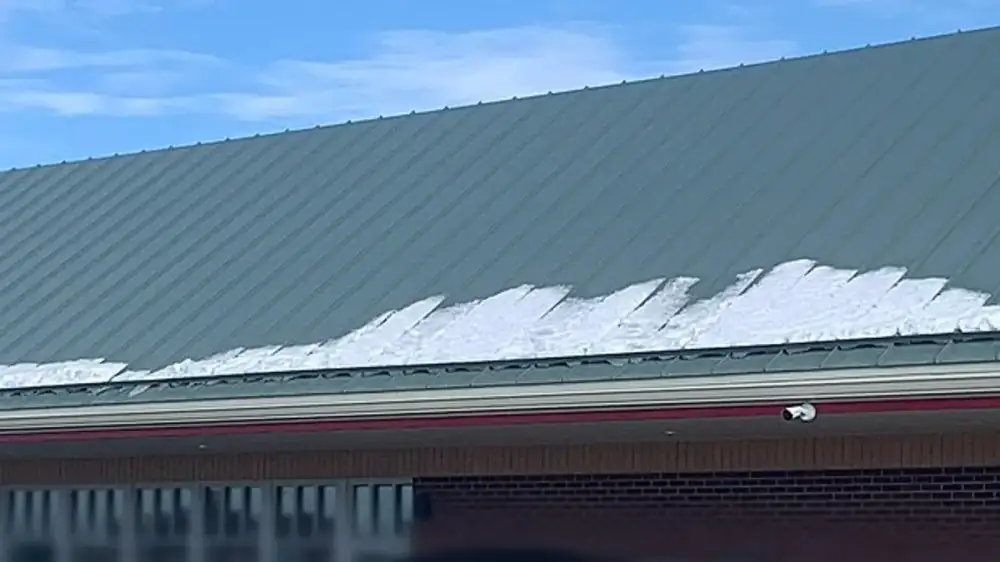
Metal Roof Edges and Drip Edge
Drip edge and metal roof-edge trim quietly protect the fascia, decking and gutters. Here's what they do and how to keep them working.
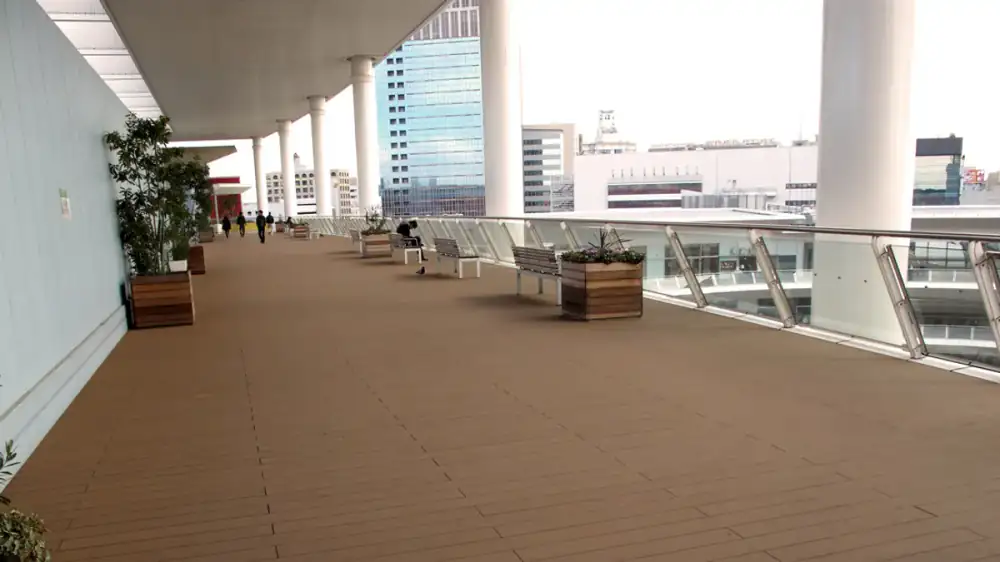
Composite Decking: Care and Cleaning
Composite decking is low-maintenance, not no-maintenance. Here's how to clean it, remove stains and avoid damaging the boards.
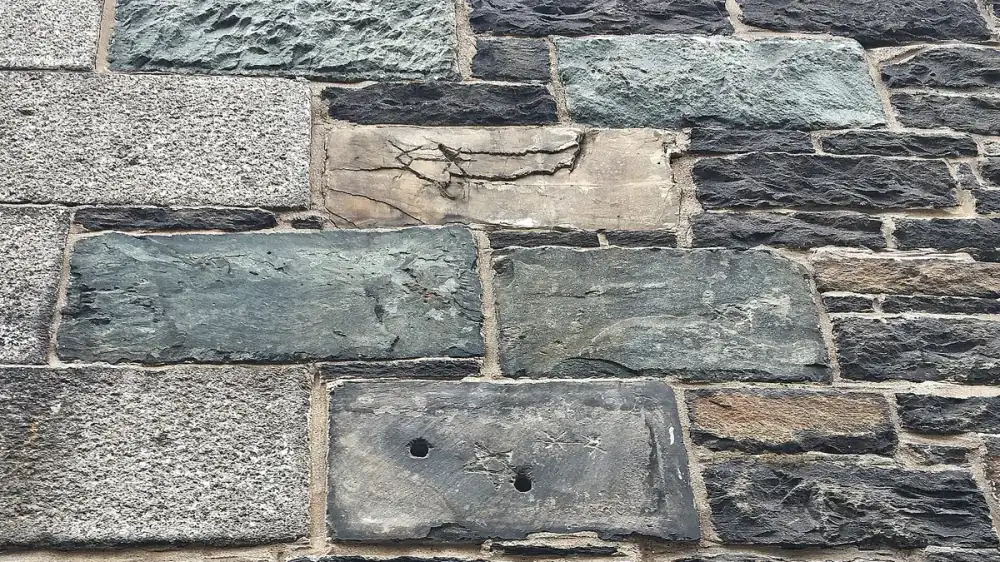
Natural Stone: Exterior Care and Cleaning
Natural stone is the most durable exterior surface, but some stones etch or stain easily. Here's how to clean and care for it safely.