Membrane and Flat Roofing
Flat roofs don't shed water the way pitched roofs do — they hold it, and the thin membrane is all that stands between standing water and the building. Here's how the common membranes differ and how to care for one without doing harm.

A flat roof is waterproofed by a single thin membrane — EPDM rubber, or TPO or PVC thermoplastic — that must hold water rather than shed it. Its life is decided at the seams, flashings, penetrations and drains, and standing water is the enemy: keep drains clear, keep debris off, and keep a pressure washer away. Because it is fragile work at height, leave the actual cleaning, inspection and repair to a roofer.
Pitch a roof steeply and gravity does most of the waterproofing for you; rain is gone in seconds and overlapping shingles act as a backstop. Flatten that same roof and the whole strategy collapses. Now water lingers, pools in the low spots, and drains only as fast as the slope and the drains allow. There is no gravity assist and no second layer of defense. One thin sheet of membrane is the entire waterproofing system, and everything about caring for a flat roof follows from that unforgiving fact.
That fragility is also why this article is written to keep you off the roof rather than on it. A membrane that a pitched-roof owner would never worry about can be ruined by a single careless step or a misjudged blast of water. Understanding the material and reading its warning signs is homeowner work; the rest is not.
What "flat" actually demands of the covering
A genuinely level roof would be a bathtub, so flat roofs are built with a slight slope — enough to move water toward drains and scuppers over time. The membrane has to survive that slow drainage, plus ultraviolet exposure, thermal expansion, and the pooling that happens wherever the slope isn't perfect. It is a demanding job for a sheet a few millimeters thick, and it explains why the covering, not the structure, is usually what fails first.
You'll find these membranes on the low-slope parts of a house that pitched roofing can't cover: flat main roofs and additions, porch and garage roofs, dormers, and the connectors where a low roof runs into a taller wall. Wherever the membrane meets one of those walls, or a vent, or a drain, you have a transition — and transitions, not the broad field of membrane, are where trouble concentrates.
Sorting out which membrane you have
Knowing your membrane type is genuinely practical, because each has different cleaning sensitivities and different repair methods. Before anyone treats the roof, it's worth having a roofer confirm which of these you're looking at.
| Membrane | What it is | Telltale |
|---|---|---|
| EPDM | A rubber single-ply | Usually dark; seams glued or taped |
| TPO | A thermoplastic single-ply | Usually light and reflective; seams heat-welded |
| PVC | A thermoplastic single-ply | Light-colored, chemical-resistant; welded seams |
| Modified bitumen / BUR | Older multi-ply asphalt systems | Layered, often with a granular or gravel surface |
The thermoplastic membranes (TPO and PVC) are joined by melting their seams together, which makes those seams strong when done well and a specific failure point when they aren't. EPDM's adhesive or taped seams age differently. None of this changes the homeowner's role much, but it changes what a roofer does, which is reason enough to name the material correctly.
Ponding is the slow killer
The strange thing about a flat roof is that it is designed to sit under water and yet is defined by its intolerance of it. A sound membrane keeps water out across its open field indefinitely. The danger is prolonged ponding — water that stays in the same low spot long after the rain has stopped. Standing water accelerates membrane aging, keeps stress on the seams, and patiently probes every weakness.
The test is simple to describe and easy to observe from a window or a neighboring vantage: after a normal rain, does the roof clear within a reasonable time, or is water still pooled in the same places a day or two later? Some brief pooling is routine. A puddle that becomes a permanent feature is the roof telling you its slope or its drainage needs attention. Keeping drains and scuppers clear so water can actually leave is the single most protective habit for a flat roof, and one of the few you can influence from the ground.
The leak is almost never where you'd guess
Homeowners picture a leak as a hole in the middle of the roof. On a membrane roof it almost never is. Water gets in at the details: seams that lift, flashings that pull away where the roof meets a wall or a curb, the collars around vents and pipes, and drains that clog and back water up over the field. These are the points that carry the most stress and move the most, so they're the first to give.
Worse, once water is under the membrane it doesn't announce itself politely above the entry point. It travels through the assembly and shows up as a ceiling stain rooms away from the actual breach. That's why inspection focuses relentlessly on the transitions, and why a stain on the ceiling below deserves a professional's attention rather than a guess.
Why the cleaning belongs to someone else
Two things make flat-roof cleaning a poor DIY project, and they compound each other. The first is the obvious one: it is work at height, on a surface where a wrong step matters, requiring proper access and fall protection. The second is that even in capable hands, high pressure is the wrong tool. A concentrated stream can lift or open a seam, force water under laps and flashings, and abrade or puncture a thin single-ply sheet — converting a cleaning into a leak.
When membranes are cleaned at all, it's with gentle, material-appropriate methods: low-pressure rinsing, soft agitation, and cleaners matched to EPDM, TPO or PVC, with careful attention around every seam and penetration. Our overview of pressure washing versus soft washing explains the underlying principle, and for a flat roof it points firmly toward the gentle end — carried out by someone equipped to be up there in the first place.
What to watch, and when to make the call
Most flat-roof upkeep is quiet and unglamorous: keep the drains, scuppers and gutters clear so water leaves rather than pools, clear debris before it traps moisture against the membrane, and have the seams, flashings and penetrations inspected periodically. A lifting seam or a minor puncture caught early is far cheaper than the structural water damage it becomes if ignored.
From a safe vantage, a handful of signs should prompt a call to a roofer: water still ponding well after rain, seams that are visibly lifting or open, blisters or bubbles suggesting trapped air or moisture, cracks or punctures in the surface, flashing pulling away at a wall or curb, and stains appearing on the ceiling below. A little slow-draining water and some surface debris are routine. The rest are the roof asking for help before water reaches the structure.
A well-installed membrane, kept draining and maintained at its details, is a genuinely durable roof. Its longevity just depends more heavily than most roofs on those conditions being met — which, given the height and the specialized details, is exactly why it's a job for professionals.
Keep reading
- Metal roof edges: care and cleaning
- Aluminum gutters: care and cleaning
- Pressure washing vs. soft washing
- Exterior caulk and sealants
- All exterior materials
Questions homeowners ask
Can I pressure wash a flat roof membrane?
This is roof work at height, so the safety answer comes first: cleaning and inspecting a flat roof is best left to professionals. On the membrane itself, high pressure is risky — a concentrated stream can lift seams, drive water under laps and flashings, and damage a thin single-ply surface. When membranes are cleaned, it is with gentle methods suited to the specific material, never an aggressive blast.
Is standing water on a flat roof a problem?
Prolonged ponding is one of the main concerns on a flat roof. A little water after rain that drains within a reasonable time is normal; water that sits for long stretches accelerates membrane aging, stresses seams, and points to a drainage or slope problem. Persistent ponding in the same spot is worth a professional look at the drains, slope and low areas.
What is the difference between EPDM, TPO and PVC roofing?
They are the common single-ply membranes. EPDM is a rubber membrane, usually dark, known for elasticity and weather resistance. TPO and PVC are thermoplastic membranes, usually light-colored and reflective, with seams that are heat-welded rather than glued or taped. Each has its own cleaning sensitivities, so it helps to know which membrane you have before treating it — and to defer to a roofer for anything beyond a look.
Where do flat roofs usually leak?
Almost always at the details rather than the open field of membrane — at seams, around penetrations like vents and pipes, at flashings where the roof meets walls and curbs, and at drains. These transitions take the most stress and are the first to fail, which is why inspection focuses there. Because that work is at height and specialized, leaks and repairs belong with a roofing professional.
Do flat roof membranes need maintenance?
Yes. Even a sound membrane benefits from keeping drains and scuppers clear so water can leave, removing debris that traps moisture, and having the seams and flashings inspected periodically. Catching a lifting seam or a clogged drain early prevents the water intrusion that damages the structure below. Most of this upkeep is a job for professionals given the height and the specialized details.
Why is my flat roof membrane bubbling or blistering?
Blisters and bubbles usually mean air or moisture is trapped between the membrane and the layer beneath, sometimes from an adhesion problem or moisture that got into the assembly. Small blisters may be cosmetic, but growing ones and any sign of trapped water can compromise the membrane and deserve evaluation by a roofer before they open up and let water in.
Related reading
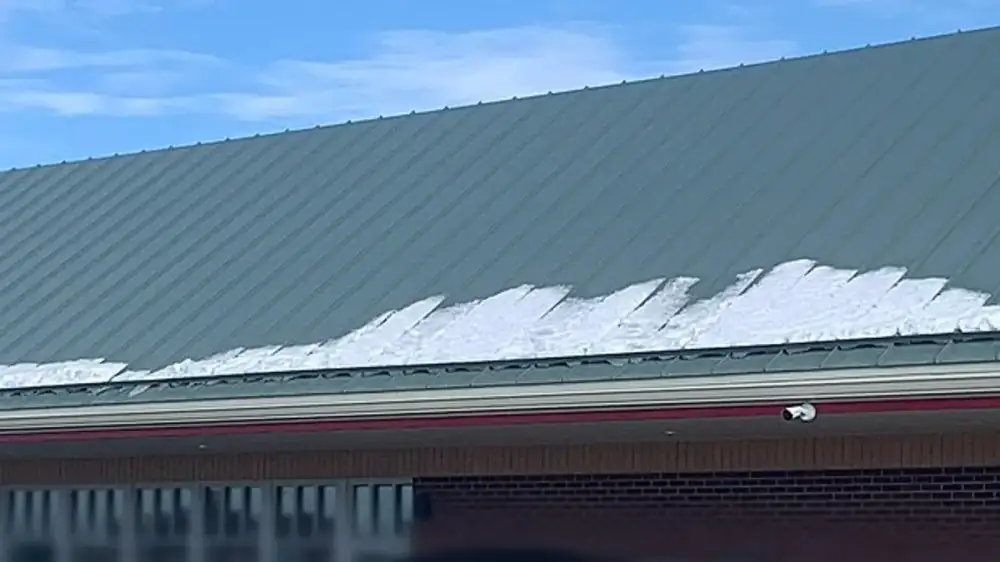
Metal Roof Edges and Drip Edge
Drip edge and metal roof-edge trim quietly protect the fascia, decking and gutters. Here's what they do and how to keep them working.
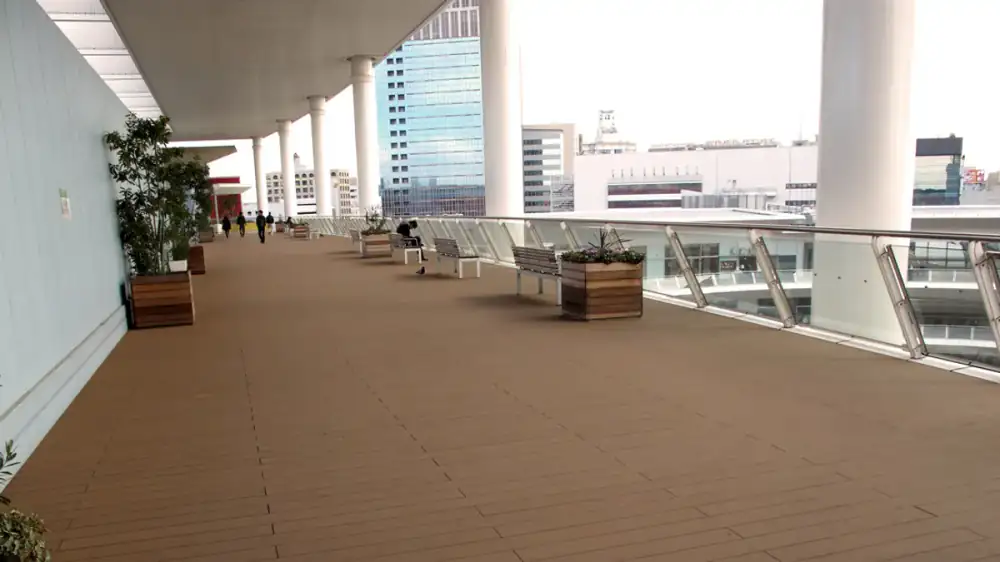
Composite Decking: Care and Cleaning
Composite decking is low-maintenance, not no-maintenance. Here's how to clean it, remove stains and avoid damaging the boards.
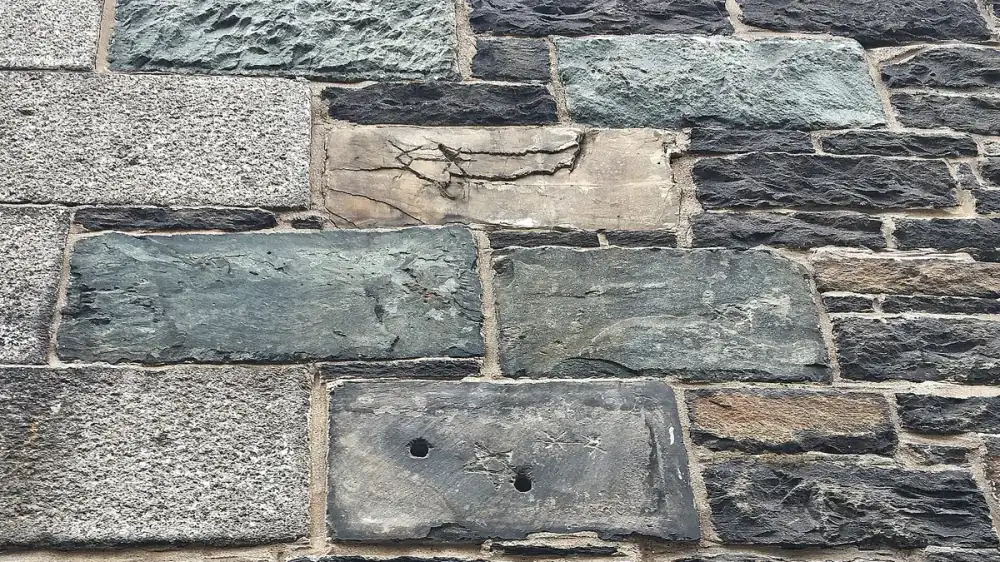
Natural Stone: Exterior Care and Cleaning
Natural stone is the most durable exterior surface, but some stones etch or stain easily. Here's how to clean and care for it safely.