Why Do Gutter Guards Overflow in Heavy Rain?
Guards that shed a normal shower can sheet water over the edge in a downpour. The cause is usually surface tension, debris, or a system that can't keep up.
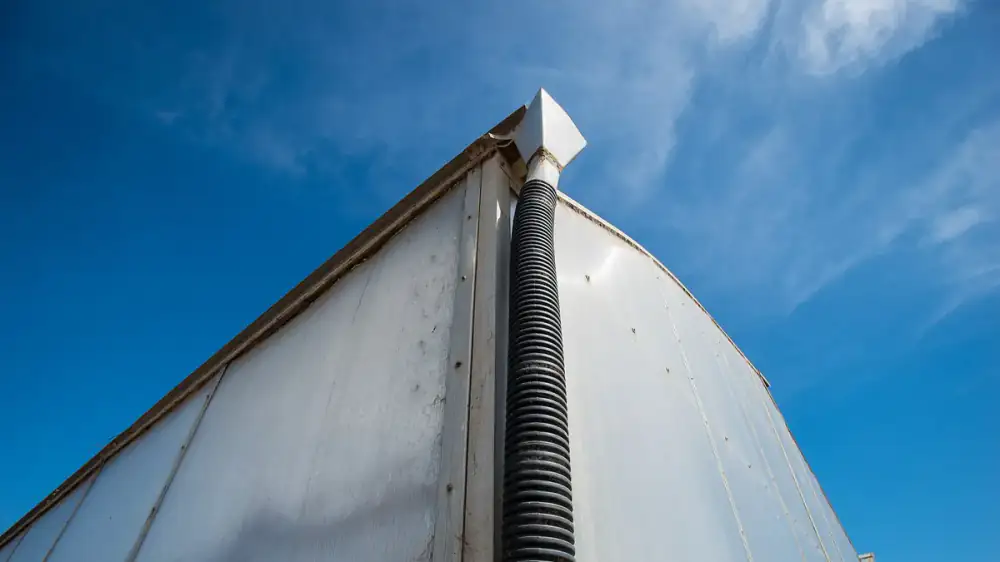
Gutter guards overflow in heavy rain when water moves too fast to curve into the openings, when debris on top of the guard blocks the surface, or when the gutter and downspout beneath simply can't drain the volume. Guards reduce cleaning but never eliminate it, so start by checking the surface and confirming the trough below is clear.
You bought guards to stop worrying about the gutters, so the first hard downpour that sends a sheet of water straight over the front edge feels like a betrayal. It usually isn't one. A guard overflowing in heavy rain is rarely a broken product — it's one of three ordinary things pushing a covered gutter past what it can handle in a peak burst, and the good news is that you can tell them apart from the ground without touching a ladder. This article is organized around that diagnosis, because the fix depends entirely on which of the three you're dealing with.
First, a reality check on what guards actually do
A lot of overflow disappointment starts with the sales pitch rather than the storm. Guards are a debris filter, not a bigger pipe and not a self-cleaning machine. They reduce how much leaf litter reaches the trough, which genuinely stretches the interval between cleanings — but fine grit, shingle granules, pollen, and organic film still slip through and accumulate below, and coarser debris piles up on top of the guard where you can't see it. Nothing about a guard increases the volume of water the gutter can carry. Hold onto that, because it explains why a perfectly good guard can still overflow, and why "I have guards" is never a reason to skip looking.
Cause one: the water never slows down enough to turn
The most common reason, and the least intuitive, is physics rather than any fault in the installation. Water leaving a roof fast tends to cling to smooth surfaces and follow them — the same effect that lets a stream hug the underside of a tilted glass. When rain sheets off a steep plane or funnels down a valley, it can skim across the top of a guard and leap the front lip instead of curving down through the openings. A gentle shower gives each drop time to find the holes; a hard, sustained downpour doesn't. If your overflow appears only at the peak of a storm and eases the moment the rain lightens, this is very likely what you're watching.
Cause two: a dam you can't see from below
Because guards keep leaves out of the trough, it's easy to forget the leaves have to go somewhere — and often that's a mat sitting right on the guard's surface. Pine needles, seeds, shingle grit, and matted leaves collect into a film or a low dam directly over the openings, and water that can't drop through it simply runs across and off the edge. This blockage is deceptive precisely because it's on top rather than inside; the gutter can look immaculate from the street while the surface is quietly sealed. It also makes cause one worse, giving the fast-moving water an even slicker runway to the lip.
Cause three: the trouble is underneath the guard
Sometimes the guard is doing exactly what it should and the problem lives below it. If the trough or downspout is partly clogged, or the run is simply undersized for the roof area draining into it, water backs up and overflows no matter what sits on top — and the guard now hides the real culprit. A single run collecting a large section of roof is especially prone to this in a storm. There's a related failure of fit: a guard that isn't seated correctly, or a gutter that has lost its slope toward the downspout, changes how water enters and drains, leaving standing water and awkward transitions at the seams that spill over during peak flow.
Telling them apart from the ground
Here's the practical part, and almost all of it happens with your feet planted safely on the lawn.
- Watch it during the rain. Note whether the overflow shows up only in the hardest bursts or in ordinary showers too, and mark exactly where along the run it spills. Peak-only, edge-of-the-run overflow points toward surface tension or a capacity limit; steady overflow in light rain points to a blockage.
- Look at the surface from below or from a window above. A visible layer of needles or leaves on top of the guard is a strong clue you've got cause two.
- Trace the overflow point. If it's always a valley or the far end of a long run, that's concentrated flow or a capacity mismatch rather than a guard defect.
- Check the downspout outlet at the bottom. If little water is coming out while the top overflows, something below the guard is blocked — that's cause three.
- Read the roof above. A steep plane or a valley feeding the problem area naturally pushes water faster, which supports the surface-tension explanation.
The whole point of this is to separate a surface problem from an under-the-guard problem, because they lead to completely different fixes and it's easy to waste effort on the wrong one.
What to do with what you find
If safe, stable access lets you reach a low single-story eave, clearing debris off the guard's surface restores the path into the openings and resolves cause two directly — and it's worth resetting your mental maintenance schedule while you're at it, particularly under trees. Confirming the trough and downspout are actually draining, rather than backing up beneath the guard, addresses cause three at its source; if you find a clog or an undersized run, that drainage work is the real repair. Related failures show up in overflowing gutters and their causes and downspouts that keep clogging.
A couple of tempting shortcuts are worth avoiding. Sealing the front edge to force water down tends to trap it and make overflow worse, not better. And layering another product over a struggling system almost never solves a flow problem — it just adds a surface for debris to sit on. Above all, don't chase a wet guard onto a roof or up a tall ladder mid-storm; that's how a drainage annoyance becomes an injury. Wait for dry conditions and stable footing, or hand it off.
When the answer isn't yours to reach
Bring in a professional when overflow persists on a clean surface, when it concentrates at a valley or a long run that funnels a lot of water to one point, or when the guard, the fit, or the pitch needs correcting at the roof edge. A pro can confirm whether the run is simply undersized for the roof draining into it — a genuine capacity mismatch no amount of cleaning will fix — and can safely inspect the trough hidden beneath the guard. If all of this has you questioning whether the guards themselves are part of the problem, it's worth reviewing common gutter guard problems before you decide to change anything.
Questions homeowners ask
Do gutter guards mean I never have to clean my gutters again?
No. Guards reduce how much debris reaches the trough, but they do not eliminate maintenance. Fine grit, shingle granules, pollen, and organic film still build up over time, and debris can collect on top of the guard itself. Think of guards as a way to stretch the interval between cleanings, not to end them.
Why does water pour over the front of my covered gutter?
In a heavy downpour, fast-moving water can skim across the top of a guard instead of curving down into the openings. This is a surface-tension effect and is more pronounced with steep roofs, valleys that concentrate flow, and certain guard designs. Debris resting on the guard makes it worse by giving the water an even smoother path to jump the edge.
Can debris on top of the guard cause overflow?
Yes. Leaves, pine needles, seeds, and shingle grit that settle on the surface can dam the openings so water can't drop through. Because it sits on top rather than inside, this kind of blockage is easy to miss, yet it is one of the most common reasons a guarded gutter overflows in rain.
Are some gutter guards better in heavy rain than others?
Guard designs handle high flow differently, and no single type is right for every roof. Factors like mesh size, surface texture, the roof's pitch, and how well the guard was fitted all affect performance in a downpour. A guard that works well on a gentle roof may struggle where a large roof area drains to one run.
Could the problem be the gutter itself, not the guard?
Often, yes. If the gutter or downspout is clogged beneath the guard, or the run is undersized for the roof it serves, water backs up and overflows regardless of the guard. The guard just makes the underlying blockage harder to see. Ruling out a clog below the surface is an important step.
Is overflow from guards something I can fix myself?
You can observe the problem safely from the ground during rain and clear light debris from the surface if you have safe, stable access. Diagnosing what's happening under the guard, correcting the fit, or resizing drainage usually involves roof-edge work and is often best left to a professional.

Why Green Growth Keeps Returning on Siding
Algae and mold return because cleaning removes the growth but not the shade and moisture that feed it. Fixing those conditions is what makes it stop.
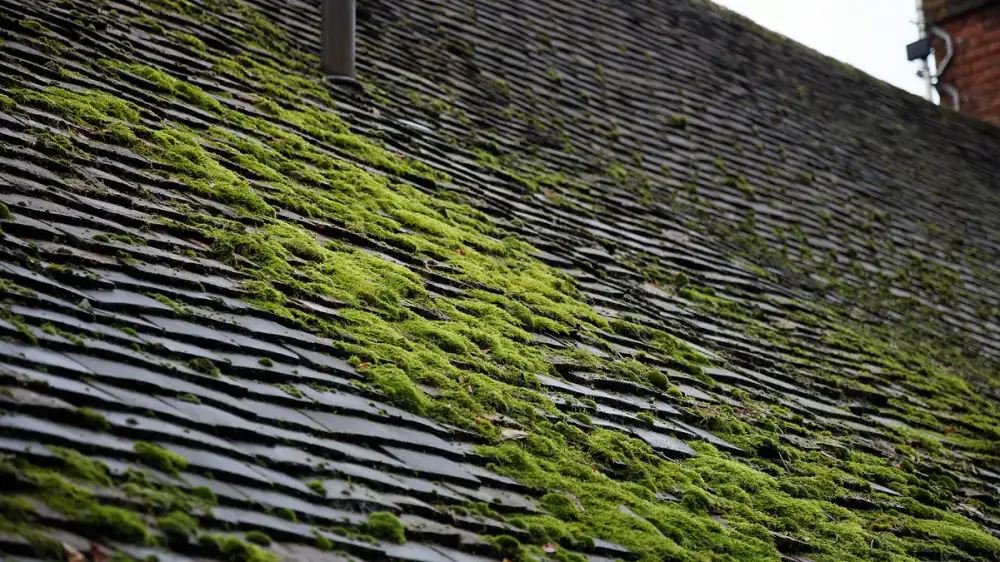
Moss Growing on the Roof: What to Do
Moss takes hold on shaded, damp roof sections and holds moisture against the shingles — but removing it from the roof is risky work for a professional.

Efflorescence: The White Residue on Brick
The white powder on brick is efflorescence — mineral salts drawn to the surface by moisture moving through the masonry and left behind as water evaporates.