How Roof Overhangs Protect the Walls
The overhang is more than a design flourish. By throwing water clear of the house, the eave shields your siding, windows, and foundation from a surprising amount of wear.
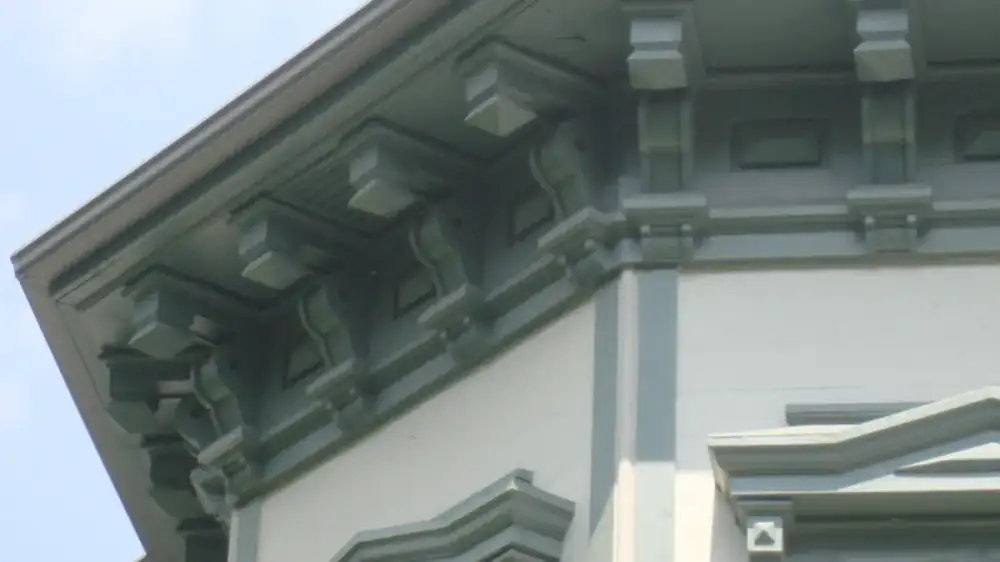
A roof overhang extends the roof past the wall so runoff drops away from the house instead of down its face. That distance keeps the siding, windows, and trim drier and stops water from pooling against the foundation. The overhang works together with the gutters and drip edge — when the eave and its drainage are sound, the walls stay protected from constant wetting and the rot and erosion it causes.
The depth of an eave reads as a stylistic decision — the shadow it casts along the top of the wall, the proportion it lends the elevation. Underneath that appearance it is doing one of the most persistent protective jobs on the whole house. Every inch the roof reaches past the wall is an inch of separation between where water leaves the roof and where your siding, your windows, and ultimately your foundation are standing. That separation isn't decorative; it works, rain after rain, decade after decade.
It's no accident that houses with generous eaves tend to hold their paint longer, wear their siding more slowly, and keep drier foundations. Once you see how the overhang earns that record, it becomes obvious why the roof edge is worth keeping in good repair: let the eave fail, and the protection walks out the door with it.
What the overhang actually is
The overhang is simply the portion of the roof that projects out beyond the exterior wall. Along the horizontal lower edges of the roof, that projection forms the eaves — where the soffit encloses the underside and the fascia and gutter finish off the outer edge. Up at the gable ends, the sloped rake edges form their own overhang, usually a shallower one.
Of the two, it's the eave overhang that does the lion's share of the protective work, because the eave is where most of the roof's runoff crosses the edge on its way down. Everything gathered at that edge — drip edge, gutter, soffit, fascia — exists to manage where that water lands. Our overview of how the roof edge works together traces how those pieces combine into one system.
Distance is the whole trick
Strip the mechanism down and it comes to a single word: distance. With no overhang, water leaving the roof would pour straight down the face of the wall, wetting the siding on every rain. The overhang shifts the point where that water falls outward, away from the wall, so the cladding stays markedly drier — and a drier wall is a wall that holds up.
That dryness pays off in several ways at once:
- Cladding that isn't always wet sheds water better. Siding kept mostly dry handles an occasional soaking far more easily than siding that never gets the chance to dry out.
- Paint and finishes last. Repeated wetting is what drives paint to blister and flake; a wall the eave keeps sheltered holds its finish much longer.
- Wind-driven rain loses some of its bite. A deeper eave offers real shelter against rain blowing in toward the wall from above.
- Rot has less to work with. Wood siding and trim that stay drier resist the slow decay that constant moisture brings on. Our guide to exterior wood trim explains why keeping these members dry is what keeps them sound.
The overhang never makes a wall waterproof. What it does is reduce how much water reaches the wall in the first place — and reducing the exposure is the most durable protection there is.
Reaching all the way to the foundation
The overhang's influence doesn't stop at the siding; it carries right down to the ground. On a roof with no overhang, water sheets off and lands at the very base of the wall, saturating the soil pressed against the foundation. That concentrated pooling and soaking, repeated storm after storm, is a well-known contributor to foundation and basement moisture trouble.
By flinging runoff outward — either clear of the wall entirely or, more commonly, into the gutter and out through the downspouts — the overhang and its drainage keep that concentrated water away from the base of the house. The eave gets the water headed away; the gutter and downspouts carry it the rest of the distance. When both are working, the soil hard against the foundation stays far drier than it otherwise ever would.
The eave can't do it alone
For all its usefulness, an overhang is not self-sufficient. It works in partnership with the drainage at the roof edge, and each half leans on the other.
A wide overhang paired with failing drainage can still let water reach the wall. Lose the drip edge and runoff wicks back onto the fascia; let the gutter overflow and water sheets down behind it, no matter how far the roof projects. A short overhang leans on its drainage even harder — because the eave alone doesn't throw water far, the gutter, drip edge, and flashing must shoulder more of the job of moving it clear.
This is why a failing edge undoes the overhang's entire purpose. When water slips behind the gutter or the fascia begins to rot, the protection the overhang is supposed to supply collapses at exactly the point it's needed most.
When the protection is slipping
You can usually tell from the ground when the overhang and its drainage are no longer keeping water off the walls, and several of these tells show up best during or just after a rain. Watch for staining or streaking on the siding below the eave, which means water is running down the wall rather than clearing it, and for paint peeling or blistering on the cladding beneath the overhang. During rain, look for water splashing at the base of the wall instead of being carried off, and afterward for erosion, pooling, or a small trench in the soil right against the foundation. Rotting or soft fascia and soffit at the eave is a plainer sign still, because it means the edge itself is going — and water sheeting behind the gutter is the classic way the overhang's protection gets undone at the roof edge.
A few habits keep those signs from ever appearing, and they mostly come down to not asking the overhang to carry the load by itself. Don't assume the eave alone keeps the walls dry; it only works when the gutters, drip edge, and flashing are pulling their weight too. Treat siding stains below the eave as an early alarm rather than a cosmetic annoyance, because streaking is often the first evidence water is reaching the wall. Don't let gutters overflow — an overflowing gutter dumps water at the base of the wall and defeats the foundation protection outright. Keep after the fascia and soffit rather than wrapping stained fascia in aluminum, which only hides advancing decay. And check the grading, since even a sound overhang and gutter can be undone when the soil slopes back toward the house.
Bringing in help
Work at the roof edge, and any change to the overhang itself, belongs to a professional rather than a homeowner on a ladder. Call one when the fascia or soffit at the eave is stained, soft, or rotting, when water is reaching the wall or foundation in spite of the overhang, or when the drainage at the edge — gutters, drip edge, or flashing — needs correcting. A pro can confirm whether the overhang and its drainage are genuinely protecting the walls, repair a failing edge the right way, and check whether water has already reached the siding, framing, or foundation. If you'd like to size things up yourself first, our walkthrough on how to inspect the roof edge from the ground shows what you can safely check without climbing.
Answers to common questions
What does a roof overhang do?
A roof overhang extends the roof past the exterior wall so that runoff drops away from the house rather than down its face. That distance protects the siding, windows, and trim from constant wetting and keeps water from pooling at the base of the wall and the foundation. It also shades the wall and helps shed wind-driven rain.
How does an overhang protect the walls?
By creating horizontal distance between where water leaves the roof and where the wall stands. Instead of sheeting straight down the siding, runoff is thrown outward — into the gutter or clear of the wall — so the cladding stays drier. Drier walls shed water better, hold paint longer, and are far less prone to rot and moisture intrusion.
Do bigger overhangs protect better?
Generally, a wider overhang throws water farther from the wall and gives more protection to the siding and foundation, which is why homes in wet climates often have deep eaves. But an overhang works together with the gutters and drip edge; a wide overhang with failing drainage can still let water reach the wall. It's the whole system that matters.
Can a house with a small overhang still stay dry?
Yes, but it leans harder on its drainage. With a short overhang, the gutter, drip edge, and flashing have to do more of the work of getting water away from the wall, because the eave alone doesn't carry it far. That's why homes with shallow overhangs are less forgiving when a gutter clogs or a drip edge fails.
How does the overhang protect the foundation?
By keeping roof runoff from falling straight down against the base of the wall. Water shed clear of the house — or captured by the gutter and carried off through downspouts — is less likely to saturate the soil right next to the foundation. Water dumping at the wall's base is a common contributor to foundation and basement moisture problems.
What are the signs my overhang isn't protecting the walls?
Look for staining or streaking on the siding below the eave, peeling paint, water splashing at the base of the wall in rain, and erosion or pooling in the soil right against the foundation. Rotting fascia or soffit at the eave is another sign, since a failing edge undermines the protection the overhang is meant to provide.
When should I call a professional about my overhang?
Call a pro when the fascia or soffit at the eave is stained, soft, or rotting, when water reaches the wall or foundation despite the overhang, or when the drainage at the edge — gutters, drip edge, flashing — needs correcting. Work at the roof edge and any structural change to an overhang is a job for a professional rather than a DIY fix.
How Gutters Damage Fascia When They Overflow
Overflow sends water onto and behind the fascia, rotting the board and loosening hangers — then the gutter sags and overflows more. Here's the cascade and how to stop it.
Signs Soffits Have Moisture Damage
Staining, sagging, peeling paint, pests and mold under the eaves all signal soffit moisture damage. Here's what causes it and when to call a pro.
Water Stains Below the Roof Edge
Stains under the eave are a map of misdirected water — overflow, water behind the gutter, drip edge trouble, ice dams or condensation. Here's how to read them.