Chimney Liner Basics
The liner is the protective passage inside your chimney that carries smoke and gases safely up and out. Here's a plain-English look at what it does and why inspection belongs to a pro.
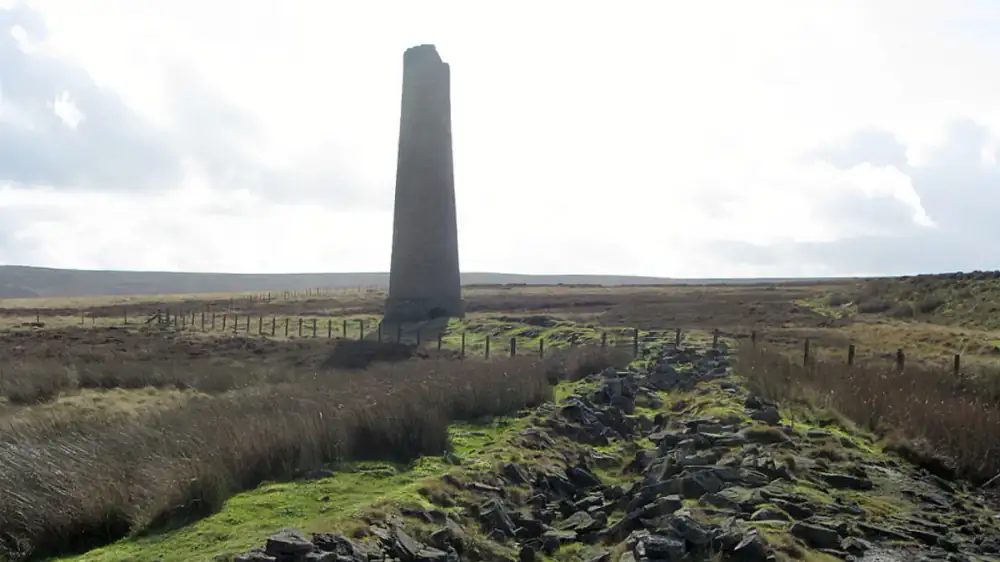
A chimney liner is the protective inner passage that runs up the flue and carries smoke and combustion gases safely out of the house. It contains heat so it can't reach nearby framing, shields the surrounding masonry from corrosive byproducts, and gives smoke a smooth, correctly sized path so the chimney drafts well. Because the liner is hidden and safety-critical, inspecting or relining it is always a job for a qualified professional.
Ask someone to describe a chimney and they'll reach for the parts they can see — the brick, the cap, the pot on an old roofline. The part that actually keeps the household safe is the one nobody pictures, because it lives entirely on the inside. It's the liner: the passage everything a fire produces travels through on its way out. You'll never service one yourself, and you don't need to. But knowing what it is turns "get the chimney inspected" from a chore into something that plainly makes sense.
A tube within the tube
The simplest way to picture a liner is as a tube inside the chimney's outer tube. It's the inner surface of the flue — a continuous passage that runs from the appliance or fireplace at the bottom all the way to the opening at the top. It's a layer in its own right, distinct from the brick of a masonry chimney or the framed box of a prefab chase, and its entire purpose is to catch what comes off a fire and route it safely up and out.
That division of labor is worth holding onto, because it's the key to everything else. The chimney really has two parts doing two jobs. The outer structure holds the whole thing up and keeps the weather out. The liner, inside, handles the hot, corrosive, moving byproducts of combustion. One faces the sky; the other faces the fire. If you're weighing how the outer structures differ, masonry chimney vs prefab chase lays that side out.
Three jobs, one purpose
Give the liner a closer look and its work sorts into three tasks that all point the same direction — venting a fire without endangering the house.
The first is containing heat. Combustion throws off a great deal of it, and the liner keeps that heat inside the flue so it doesn't creep into wood framing or other combustible material near the chimney. The second is protecting the surrounding structure: the gases and moisture a fire produces are corrosive, and left to their own devices they'd eat into unprotected masonry over time, so the liner stands between them and the brick or chase. The third is supporting draft — a smooth, correctly sized passage lets smoke and gases rise and clear the top efficiently, whereas a liner that's the wrong size or damaged can leave a chimney drawing poorly.
Roll those together and you get a single idea: the liner is what allows the chimney to vent a fire safely. Everything else about it follows from that.
Knowing the three you might hear named
You won't choose a liner — a professional matches it to the appliance, the fuel, and the chimney — but it helps to recognize the terms when they come up in an inspection report or a conversation with a pro.
| Liner type | Where it's commonly found | Notes |
|---|---|---|
| Clay tile | Older and many traditional masonry chimneys | Stacked tile sections forming the flue |
| Metal (often stainless) | Relining projects; venting certain appliances | Flexible or rigid pipe fitted inside |
| Cast-in-place | Existing masonry needing a new smooth passage | Poured material that forms the liner |
Which of the three is appropriate turns on specifics — the fuel being burned, the appliance in use, and the chimney's overall condition — that only a qualified inspection can settle. The names are for recognition, not for making the call yourself.
The catch: you can't see the thing that matters most
Here's the quiet problem at the center of liners. The one part most responsible for safe venting is also the one part you cannot look at. The liner runs the full height of the flue, hidden from both the top and the bottom, so there's no angle from which you can simply glance up and judge its condition.
That's the whole reason professional inspections rely on specialized cameras run down the flue. They let a trained eye check for cracks, gaps, or deterioration that would otherwise stay invisible — and it's why a homeowner genuinely isn't positioned to assess a liner. You can notice the outward clues, but confirming what they mean takes the right tools and training. Regular inspection is the practical way to keep tabs on something you'll never see directly; see seasonal chimney inspection for how to fold it into a routine.
Because the liner is out of sight, a couple of easy assumptions get people into trouble. A brick chimney that looks flawless from the yard can still hide a compromised liner, so a sound exterior isn't proof of a sound interior. And "nothing looks wrong" is a poor reason to skip an inspection, precisely because liner problems build where nothing shows.
Outward clues worth acting on
You can't see the liner, but the fire and the firebox will occasionally send up flares worth heeding. Treat each as a prompt to book an inspection, not as a diagnosis you make on your own:
- Flue tile fragments or grit turning up in the firebox — pieces of a deteriorating liner can fall.
- Persistent odors from the fireplace, which can point to moisture or buildup.
- Poor or reversed draft, where smoke won't rise cleanly.
- Staining or dampness around the chimney that suggests moisture is getting into the structure — related to water stains near the chimney.
- A change of heating appliance, which can rewrite the venting and lining requirements entirely.
None of these confirms a liner problem by itself. Debris in the firebox in particular is worth not brushing aside — it's a classic sign of liner deterioration — but the point of any of these signs is to get a pro to look, not to draw your own conclusion.
Leaving the assessment to a pro
So the sensible posture with a liner is a clear split. Your part is to watch for the outward clues above and to keep the flue on a regular inspection schedule, especially if you've swapped heating appliances. The professional's part is everything that touches the liner itself. Assessment, repair, and relining all require specialized cameras, training, and an understanding of what a given fuel and appliance demand — this is safety-critical work, not a homeowner task, and it always belongs to a trained pro. Cost, when it comes to that, hinges on several factors: the liner type, the chimney's height and condition, and the appliance being vented, among others.
To see how the hidden liner relates to the parts of the chimney you can actually see, browse the broader chimney maintenance guides.
Answers to common questions
What is a chimney liner?
A chimney liner is the inner passage running the length of the flue, carrying smoke and combustion gases from the appliance or fireplace up and out. It's a distinct layer inside the chimney structure — separate from the surrounding brick or metal — meant to contain the heat and byproducts of combustion and keep them away from the rest of the house.
What does a chimney liner do?
A liner does three broad jobs: it contains heat so it doesn't reach nearby combustible framing, it protects the surrounding masonry or chase from corrosive combustion byproducts, and it gives smoke a smooth, correctly sized passage so the chimney drafts properly. In short, it's what lets the chimney do its job safely.
What are chimney liners made of?
At a high level there are three common types: clay tile liners, common in older masonry chimneys; metal liners, often stainless steel, frequently used when relining or venting certain appliances; and cast-in-place liners, a poured material that forms a smooth passage inside existing masonry. Which suits a given chimney depends on the appliance, the fuel, and the chimney's condition — a call for a professional.
Can I inspect the liner myself?
Not meaningfully. The liner runs the full height of the flue, out of sight, and a proper inspection uses specialized cameras and training to judge cracks, gaps, or deterioration. Homeowners can watch for outward clues — staining, odors, or debris — but assessing the liner itself is squarely a professional's job and often part of a routine chimney inspection.
How do I know if a liner has a problem?
You usually can't see it directly, but outward signs can hint at trouble: pieces of flue tile or debris in the firebox, persistent odors, staining, or a chimney that drafts poorly. None of these confirm a liner problem on their own — they're reasons to have a professional inspect the flue rather than diagnose it yourself.
Does every chimney need a liner?
Modern chimneys are built with liners because they're essential to venting combustion safely. Some very old masonry chimneys were built without one, and certain appliances carry specific lining requirements. Whether a particular chimney is properly lined for its current use is a technical question best answered by a qualified professional who can inspect the flue.
When should I call a professional about my liner?
Call a qualified chimney professional if you notice tile fragments or debris in the firebox, persistent odors, poor draft, or if you've changed heating appliances. You should also have the flue inspected on a regular schedule. Because the liner is hidden and safety-critical, its assessment and any repair or relining always belong to a trained pro.
You might also like
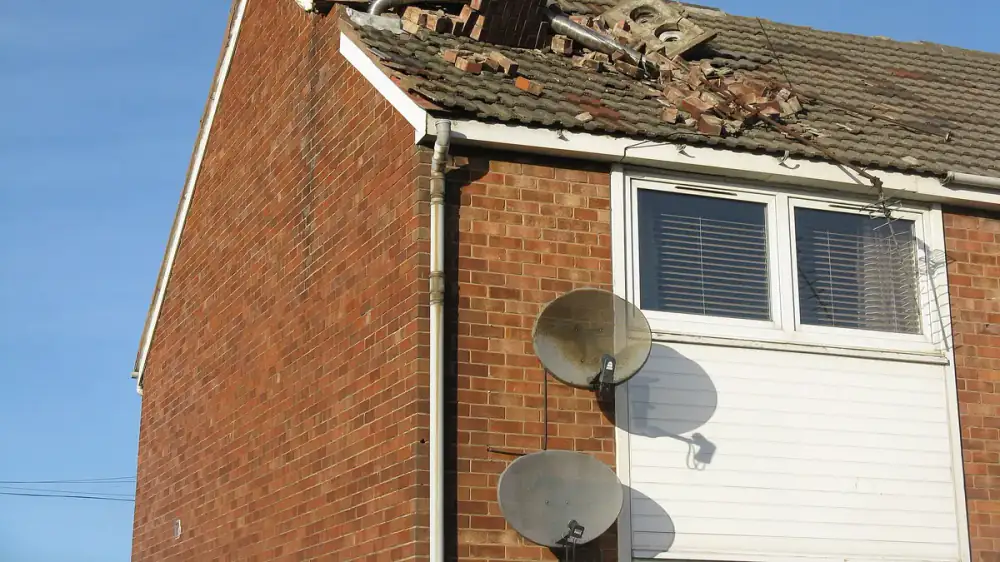
Chimney Storm Damage: What to Check
Storms dislodge caps, crack crowns, and lift flashing. Here's a ground-level, post-storm chimney check — what to look for, what to do, and when to call a pro.
Seasonal Chimney Inspection From the Ground
A short binocular check each season catches most chimney trouble early. Here's what to look for from the ground, a simple cadence, and when to book a pro sweep.
Roof Vents and Vent Covers Explained
Roof vents let the attic breathe, and their covers keep weather out while air keeps moving. Here are the common types, what covers do, and how to spot damage safely.