Water Stains Near the Chimney: What They Mean
A brown ring on the ceiling by the fireplace, or dark streaks down the outside masonry, are your chimney telling you water is getting in. Here's how to read the signs safely.

Water stains near a chimney mean moisture is getting in — most often through a missing or damaged cap, a cracked crown, failed flashing, or porous masonry. The stain's location offers a clue: high near the flue points to the cap or crown, while stains at the ceiling line point to flashing. Don't just paint over it — the stain is a warning, not the problem. Finding and fixing the source is work for a professional.
A faint brown ring on the ceiling by the fireplace, or a dark streak weeping down the outside brick, is one of the easiest things in a house to talk yourself out of noticing. It is also one of the clearest messages a building ever sends: water is reaching somewhere it was never meant to go. Chimneys leak more readily than almost any other part of the roof, so these stains are common — and learning to read them from the ground is a genuinely useful skill. The two things to resist are chasing the leak up onto the roof and painting the stain away as if the color were the problem.
The stain is downstream of the real fault
Start with a mental model, because it changes how you read everything that follows. A chimney stands at the tallest, most weather-beaten point of the roof and is open at the top by design. When water slips past one of its defenses — the cap, the crown, the flashing, or the masonry itself — it does not stop where it entered. It travels, following the path of least resistance until it reaches a surface where it can pool, soak in, and finally discolor. That discoloration is the stain.
Which means the stain is always downstream of the fault that produced it. By the time the mark is visible, water has usually been finding its way in for a while. For the complete map of entry paths, see how water gets in around a chimney.
Reading the marks inside
Indoors, stains gather on ceilings and walls near the fireplace or wherever the chimney threads through the structure. Where the mark sits is your best clue from ground level.
- High on the wall or ceiling, close to the flue — leans toward the cap or the chimney crown, the parts right at the top.
- Where the chimney meets the ceiling or roofline, and worse after rain — leans toward the flashing at the roof joint.
- Diffuse damp patches across the chimney wall — can point to moisture creeping through porous masonry.
- A musty smell, peeling paint, or bubbling wallpaper near the hearth — signs the moisture has lingered long enough to attack the finishes.
Hold onto that earlier caution, though: water travels. A stain's position narrows the field of suspects, but it does not convict any one of them, because moisture can run along the roof deck or framing before it ever drips.
What the outside brick is telling you
Step into the yard and turn binoculars on the masonry itself, from the lawn or an upstairs window.
- Rust streaks running down the brick — usually trace to a corroding cap overhead. See rusted chimney cap: what to do.
- White, powdery deposits (efflorescence) — mineral salts left behind as water passes through the brick and evaporates, a tell that the masonry is staying wet.
- General dark, damp-looking patches — brick that simply isn't drying out between rains.
- Spalling, where brick faces flake or crumble — moisture that soaked in, froze, expanded, and broke the surface apart.
These outdoor clues tend to travel with the indoor ones, and read together they tell a fuller story than either does alone.
| Stain or sign | Where you see it | Likely source |
|---|---|---|
| Ring or streak high near the flue | Interior ceiling/wall | Cap or crown |
| Stain at the ceiling line, worse after rain | Interior, chimney base | Flashing |
| Rust streaks down the brick | Exterior masonry | Corroding cap |
| White powdery deposits | Exterior masonry | Water passing through brick |
| Flaking, crumbling brick | Exterior masonry | Porous / spalling masonry |
How far you can safely take the diagnosis
A surprising amount of detective work happens without leaving the ground:
- Log where the interior stains appear and whether they darken or spread after rain — a mark that grows with every storm is confirmation of an active leak.
- Sweep the chimney with binoculars for a missing or crooked cap, cracks or crumbling on the crown, lifted flashing, and rust or spalling on the brick.
- Widen the net a little. Chimney leaks often keep company with roof-edge moisture; water stains below the roof edge can help you separate related problems.
Where safe diagnosis stops is the roof. Climbing up to inspect the cap, crown, or flashing up close is where the real risk lives, and it is the point at which the job passes to a professional.
The signs not to sleep on
A handful of observations mean water is actively getting in and the hidden damage is likely growing — reasons to call rather than wait:
- a stain that spreads or reappears after each rain;
- active dripping near the chimney during or after a storm;
- a strong musty smell that hints at trapped moisture or mold;
- sagging in the ceiling near the chimney;
- crumbling masonry or a missing cap visible from the ground.
Why cover-up always loses
The instinct to reach for paint is understandable and almost always wrong. A coat of paint conceals the symptom while the leak works on behind it; the stain typically bleeds back through, and the damage you can't see — wet framing, mold, deteriorating masonry — keeps advancing. A few related assumptions cost homeowners just as much: trusting the stain's exact location when water has clearly traveled; blaming the surrounding shingles when the cap, crown, flashing, or masonry is the likelier culprit near a chimney; and fixing one thing then stopping, when chimney parts age together and a reduced leak is not always a solved one.
The roof is the professional's ground
Call a qualified chimney or roofing professional whenever you see fresh or spreading stains near the chimney, damp or crumbling masonry, or a musty smell. Locating the true entry point and repairing it means working at the top of the chimney and out on the roof — professional work by any measure, and not a place to be investigating with a leak already proven. Your role is the ground-level one, and it is a real contribution: catching the stains early, noting where they show and whether they worsen after rain, and describing plainly what your binoculars picked out.
To fold stain checks into a regular habit, see the seasonal chimney inspection guide, and after severe weather work through chimney storm damage: what to check.
Questions people also ask
What does a water stain near the chimney usually mean?
It means water is getting into or alongside the chimney and reaching a surface where it can show. The usual sources are a missing or damaged cap, a cracked crown, failed flashing at the roof joint, or porous masonry. The stain's location — high near the flue versus down at the ceiling line — offers a clue to which one, though confirming it usually takes a professional.
Are chimney water stains dangerous?
The stain itself is a warning, not the hazard. The concern is what the moisture is doing out of sight — soaking masonry, rotting framing, or feeding mold. Ongoing leaks also degrade the chimney structure over time. The stain is your cue to act before the hidden damage grows, not something to paint over and forget.
Can I diagnose a chimney leak from the stain alone?
Not reliably. The location narrows the suspects, but water travels along the roof deck and framing, so a stain can appear well away from where water actually entered. From the ground you can note where stains appear and check the chimney with binoculars, but pinning down the true source is a job for a professional inspection.
Why is there a stain on the outside masonry too?
Exterior staining — dark streaks, white powdery deposits, or rust marks on the brick — points to water moving through or over the masonry. Rust streaks often trace to a corroding cap above; white efflorescence signals water passing through the brick and leaving mineral salts behind; general darkening suggests the masonry is staying wet. Each is worth a professional look.
Should I just repaint over an interior chimney stain?
Painting over a stain hides the symptom while the leak keeps working behind it. The stain will usually bleed back through, and the hidden damage — wet framing, mold, deteriorating masonry — continues. Find and fix the water source first; cosmetic repair is the last step, not the first.
When should I call a professional about chimney stains?
Call a qualified chimney or roofing professional whenever you see fresh or spreading stains near the chimney, damp masonry, or a musty smell. Finding the entry point and repairing it means working at the top of the chimney and on the roof — professional work. Your job is to spot the stains early and note where they appear.
Related reading
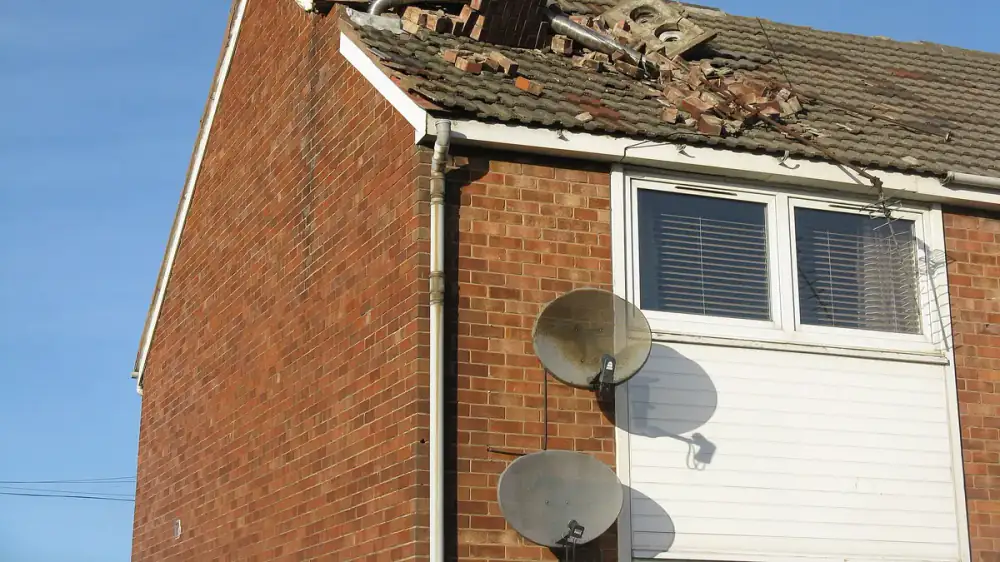
Chimney Storm Damage: What to Check
Storms dislodge caps, crack crowns, and lift flashing. Here's a ground-level, post-storm chimney check — what to look for, what to do, and when to call a pro.
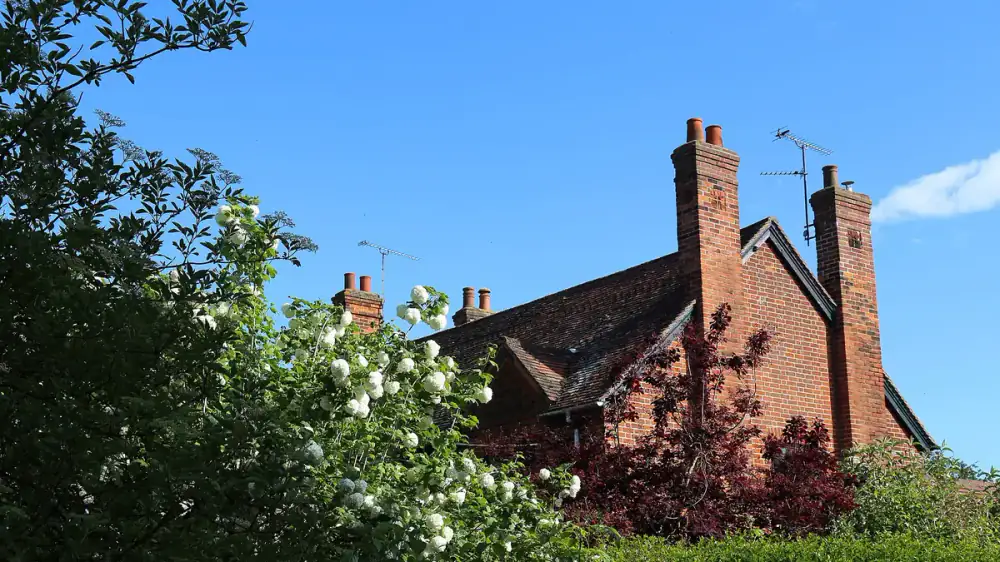
Seasonal Chimney Inspection From the Ground
A short binocular check each season catches most chimney trouble early. Here's what to look for from the ground, a simple cadence, and when to book a pro sweep.
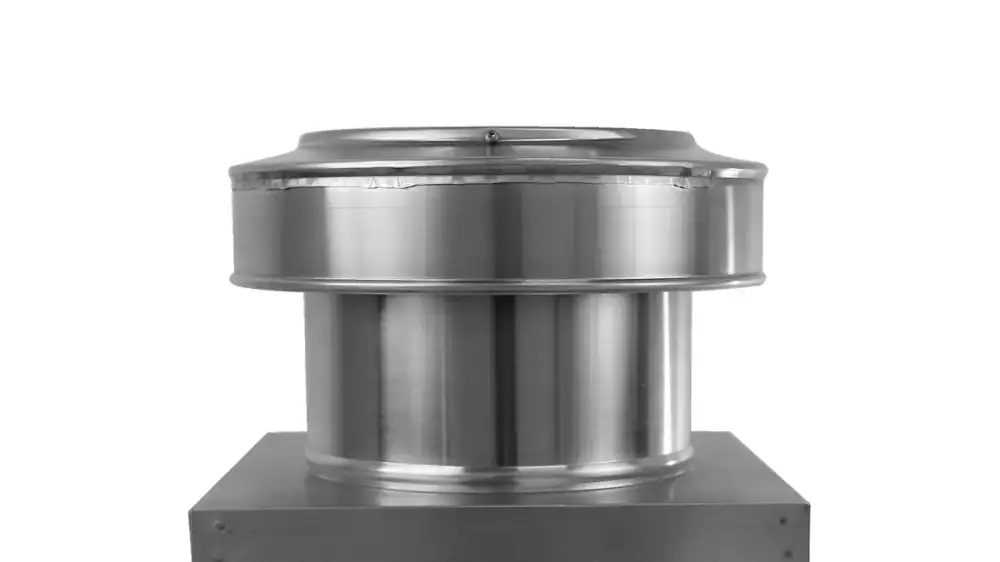
Roof Vents and Vent Covers Explained
Roof vents let the attic breathe, and their covers keep weather out while air keeps moving. Here are the common types, what covers do, and how to spot damage safely.