Masonry Chimney vs. Prefab Chase: What's the Difference?
One is built from brick or stone; the other is a framed box wrapped in siding around a factory-made flue. They look similar from the curb but age and maintain very differently.
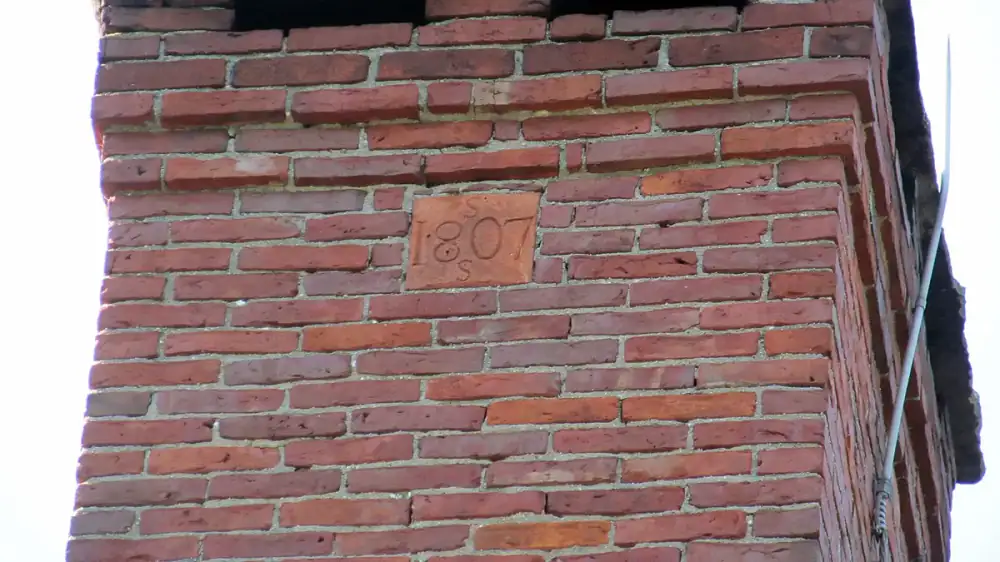
A masonry chimney is built on site from brick, block, or stone, with a clay or masonry flue running up the middle. A prefab chase is a framed, sided box that conceals a factory-built metal flue. From the street the two can look nearly identical, but under the surface they're different animals — masonry lives or dies by its mortar and crown, while a chase depends on its metal chase cover, flashing, and siding to stay watertight.
Walk down almost any street and you'll pass two chimneys that look like siblings from the curb but were built on entirely different principles. That resemblance is more than trivia. Which type rises from your roof determines what you should be watching for, how you read a warning sign when you spot one, and even which trade you call when something goes wrong. So before anything else, it's worth being able to tell the two apart — and understanding why they age the way they do.
The solid kind: brick, block, or stone
A masonry chimney is the traditional article, built the traditional way: on site, one course at a time, from brick, concrete block, or stone. Threading up through that visible masonry is the flue, typically lined with clay tile or another masonry liner, which carries smoke and combustion gases up and out of the house.
The top is finished with a crown — a sloped slab of concrete or masonry whose job is to shed water off the structure — and a metal cap sits over the flue opening itself. All of this is heavy and genuinely load-bearing, so a masonry chimney rests on its own dedicated foundation and counts as part of the building's structure rather than an add-on.
It also ages exactly the way stone and mortar always have. Mortar joints weather and eventually call for repointing, the crown can crack under freeze-thaw stress, and any water that sneaks in gets worked on by every winter. Given attention, a masonry chimney can stand for generations; ignored, it deteriorates on a predictable schedule.
The hollow kind: a box around a flue
A prefab chimney — short for prefabricated, or factory-built — is a fundamentally different construction. The working piece is a manufactured metal flue system, engineered and assembled off site to defined specifications. To hide that metal pipe and dress it up to match the house, builders frame a lightweight box around it, usually out of wood, and clad it in siding, stucco, or paneling. That decorative enclosure is the chase.
This is the source of the surprise so many homeowners get: when you see a tall, sided column that matches the walls of the house rising from the roof, you're usually looking at a chase, not a solid chimney. The chase is essentially a protective wrapper; the real chimney is the factory flue hidden inside it.
Because those internal components are manufactured, a prefab system has a defined service life and specific parts meant to be maintained and, in time, replaced. It's lighter than masonry and was quicker to erect — but that lightness comes with a dependence on a few key components to keep water out.
The chase cover: a crown by another name
Chief among those components is the chase cover — the metal lid that seals the open top of the chase box, pierced by a hole for the flue to pass through. Functionally it plays almost exactly the crown's role on a masonry chimney: keeping water from pouring straight into the top of the structure.
For that to work, the cover has to be sloped or formed so water sheds off it rather than sitting on top. When a cover is flat, poorly drained, or made from a metal that rusts, water ponds, then finds a way through — often announcing itself as rust streaks running down the siding or as stains appearing indoors. A failing chase cover is one of the most common leak sources on a prefab chimney, precisely as a cracked crown is on masonry. Holding that parallel to the chimney crown in mind makes either type easier to inspect.
Two builds, side by side
| Feature | Masonry chimney | Prefab chase |
|---|---|---|
| Built from | Brick, block, or stone, on site | Framed box wrapped in siding |
| Flue inside | Clay tile or masonry liner | Factory-built metal flue |
| Top finish | Concrete or masonry crown | Metal chase cover |
| Main upkeep | Repointing, crown repair | Chase cover, flashing, siding |
| Weight | Heavy; own foundation | Lightweight structure |
| Service life | Long with maintenance | Defined by manufactured parts |
| Shared with the other | Cap over the flue, flashing at roof | Cap over the flue, flashing at roof |
That last row is the one people forget. Whichever type you own, the very top still needs a sound cap over the flue, and the base still needs good flashing where the structure meets the roof. Those two needs are universal. For how the cap earns its keep on either type, see how chimney caps protect against rain and debris.
Telling them apart from the driveway
Most of what you can safely check is visible with binoculars from the ground or an upstairs window, plus whatever turns up inside. The first thing worth settling is which type you have — and the surface material usually gives it away. Brick, block, or stone all the way up means masonry; siding, stucco, or paneling matching the house walls means a chase almost every time. A glance at the top confirms it: a concrete crown says masonry, a flat metal lid says chase cover.
From there, the two show distress in different dialects.
On a masonry chimney, watch for crumbling, missing, or recessed mortar joints; a crown that's cracked, spalling, or stained; and a chalky white bloom on the brick, which means moisture is traveling through the masonry.
On a prefab chase, watch instead for rust streaks bleeding down from the chase cover onto the siding; a cover that looks flat, dented, or holds standing water; and siding that's buckling, gapping, or discolored, hinting at water that's already inside the box.
And on either type, water stains on the ceiling or wall near the chimney are a red flag worth chasing down — water stains near the chimney covers how to interpret them. Whatever you find, resist the pull to climb up for a closer look; the top of any chimney, masonry or prefab, is roof-level work.
Getting the right kind of help
Reach out to a chimney professional or roofer if you spot cracked or missing mortar, a damaged crown, a rusted or ponding chase cover, rust streaks on siding, or any water stains indoors near the chimney. Prefab flue systems especially should be serviced by someone familiar with the manufactured components, since those parts carry specific requirements a general handyman may not know.
Identifying which structure you have is genuinely something you can settle from the ground — but confirming the exact fault and repairing it is roof-level work. A seasonal chimney inspection is the tidiest way to have the top, the flashing, and either the crown or the chase cover assessed together, and after any significant weather, adding a chimney storm damage check is time well spent.
Answers to common questions
What is the difference between a masonry chimney and a prefab chase?
A masonry chimney is built on site from brick, block, or stone with a clay or masonry flue inside. A prefab chase is a wood-framed box, usually wrapped in siding to match the house, that encloses a factory-built metal flue. One is solid masonry; the other is a lightweight structure hiding a manufactured chimney system.
What is a chase cover?
A chase cover is the metal top that seals the open top of a prefab chase, with an opening for the flue to pass through. It does for a chase roughly what a crown does for a masonry chimney — sheds water off the top so it does not run down inside the box. A poorly draining or rusted chase cover is a common source of leaks.
Which lasts longer, masonry or prefab?
It depends on maintenance more than material. Masonry chimneys can last for decades but need repointing and crown care as mortar and concrete weather. Prefab systems are built around manufactured components with a shorter expected service life, and their chase covers and flashing need attention to keep water out. Neither is maintenance-free.
Can I tell which type I have from the ground?
Often yes. If the structure is brick, block, or stone all the way up, it is masonry. If it is wrapped in siding, stucco, or paneling that matches the house walls, it is almost certainly a prefab chase. With binoculars you can also look at the top: masonry usually has a concrete crown, while a chase has a flat metal chase cover.
Do prefab chases need less maintenance?
Not really — just different maintenance. Instead of repointing mortar you are watching the chase cover, flashing, and siding for rust, gaps, and water entry. Both types share needs at the very top, like a sound cap over the flue, and both should be inspected regularly. Neither type eliminates upkeep.
What signs on either type mean it's time for a professional?
Rust streaks, standing water or ponding on a chase cover, cracked or missing mortar on masonry, or water stains indoors near the chimney all mean it's time to call a chimney professional or roofer. Identifying the exact problem and repairing it is roof-level work, and prefab flue systems in particular should be serviced by someone familiar with the manufactured components.
You might also like
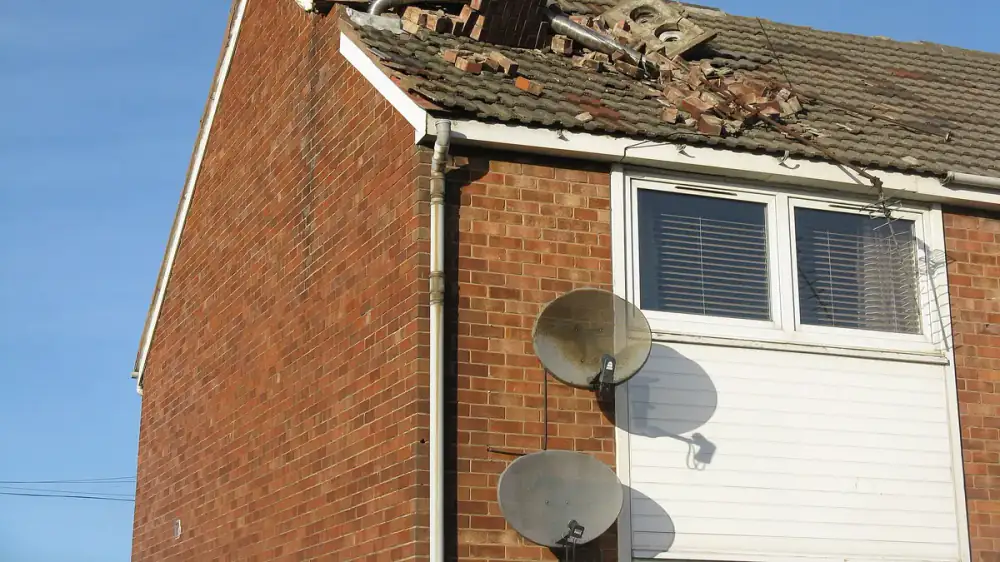
Chimney Storm Damage: What to Check
Storms dislodge caps, crack crowns, and lift flashing. Here's a ground-level, post-storm chimney check — what to look for, what to do, and when to call a pro.
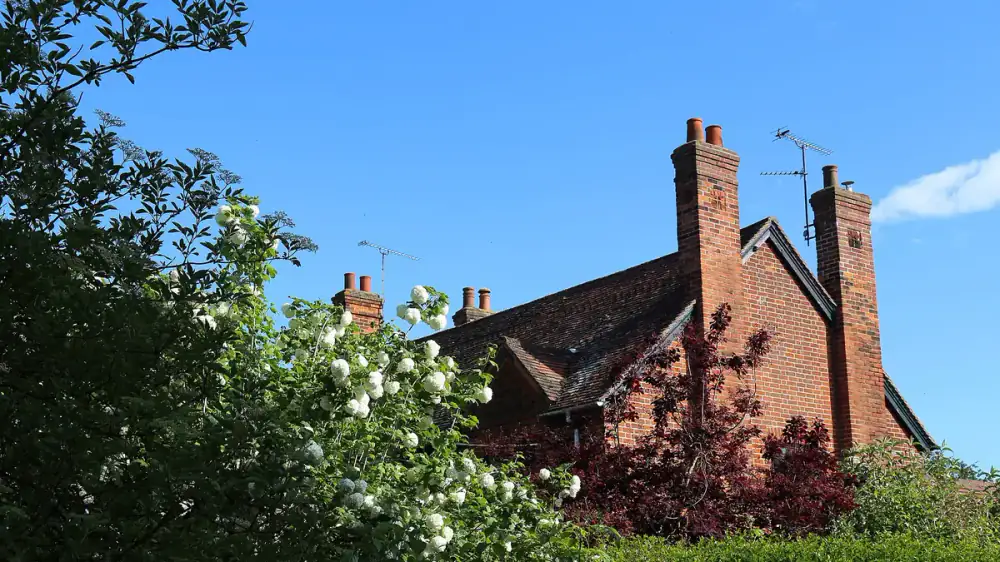
Seasonal Chimney Inspection From the Ground
A short binocular check each season catches most chimney trouble early. Here's what to look for from the ground, a simple cadence, and when to book a pro sweep.
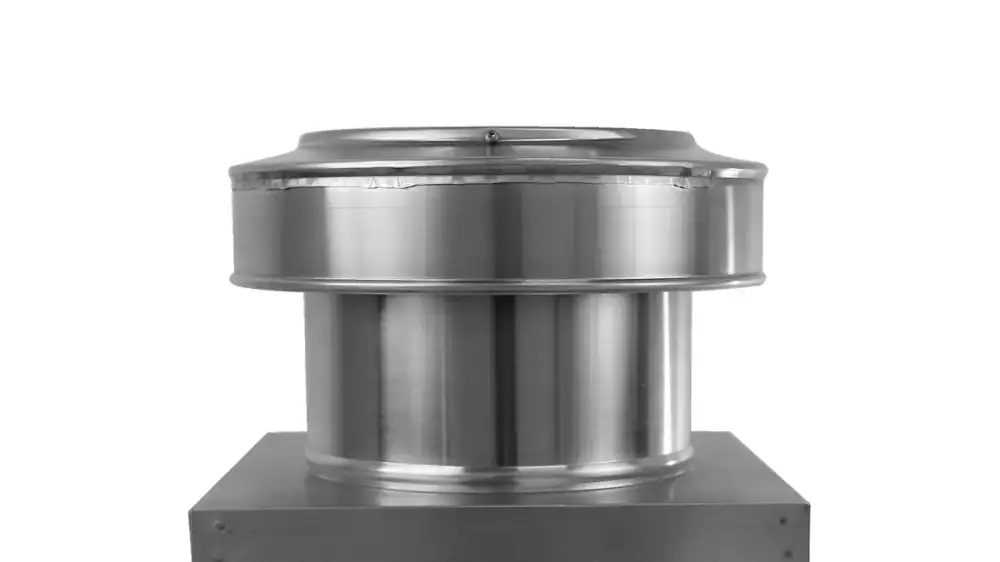
Roof Vents and Vent Covers Explained
Roof vents let the attic breathe, and their covers keep weather out while air keeps moving. Here are the common types, what covers do, and how to spot damage safely.