Efflorescence on a Chimney
That chalky white film on brick chimneys is efflorescence — and it's almost always a message about moisture. Here's what it signals and why it's worth paying attention to.
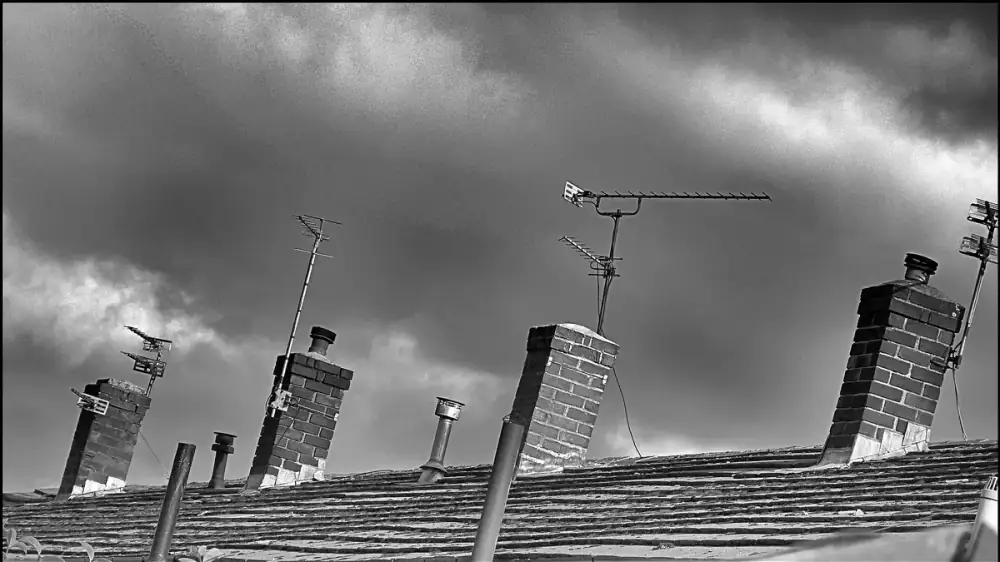
Efflorescence is the white, chalky residue that shows up on brick chimneys when water moves through the masonry, dissolves natural salts, and leaves them on the surface as it evaporates. The powder itself is mostly cosmetic, but what it signals is not — it's a clear sign that moisture is getting into the brick. Left unaddressed, that moisture is what leads to spalling, cracked mortar, and freeze-thaw damage, so efflorescence is best treated as a prompt to find the water source.
Depending on the day, that pale, dusty bloom creeping across a brick chimney can read as alarming or as nothing worth a second glance. It's really neither. Efflorescence isn't dangerous in itself, but it isn't background noise either — it's a message. The chimney is telling you, in the only language masonry has, that water is passing through it. The residue is the visible outside edge of a problem that is otherwise hidden inside the wall, and the entire value of noticing it lies in reading that message correctly rather than just reacting to the color.
A fingerprint left by water
Brick, mortar, and concrete all contain soluble mineral salts as a matter of course. When water finds its way into the masonry, it dissolves those salts and carries them along as it migrates toward the surface. Reaching the outer face, the water evaporates — but the salts can't follow it into the air, so they're stranded there as a white, powdery or crystalline film. That film is efflorescence.
The whole meaning is in the order of events: efflorescence cannot form unless water has been moving through the masonry. The residue is, quite literally, the fingerprint water leaves as it exits. So while the powder itself brushes off easily, its mere presence is the information. If you want the broader phenomenon across all brickwork rather than chimneys specifically, efflorescence: white residue on brick covers it.
Cosmetic film, real warning
Here is the distinction that matters most, because it's the one people get backwards. The white deposit is cosmetic. The moisture that produced it is not. Efflorescence is a symptom, and treating the symptom while ignoring what it reveals is how a small, cheap-to-fix problem grows into an expensive one.
A chimney is unusually exposed to begin with — it stands above the roofline, catches weather from every direction, and depends on several separate parts all doing their job of keeping water out. When efflorescence appears, it's telling you at least one of those defenses is letting moisture through. And sustained water intrusion in masonry doesn't stay cosmetic for long. It drives spalling, where the surface of the brick flakes or pops off. It deteriorates mortar, softening and crumbling the joints. And it fuels freeze-thaw damage, as trapped water expands when it freezes and cracks the masonry from within. Efflorescence, in other words, is an early and visible chapter in a longer story that ends in genuine structural damage if the water is never stopped.
Where the water is sneaking in
The frustrating thing about efflorescence is that it confirms water is present without pointing to where it's getting in. On a chimney, the usual suspects line up like this:
| Possible source | What's happening |
|---|---|
| Cracked crown | Water seeps through the masonry top instead of shedding off |
| Rusted chase cover | A perforated metal lid lets rain into a prefab chase |
| Failed flashing | Water enters at the chimney-to-roof joint |
| Missing or damaged cap | Rain falls directly into the flue |
| Porous brick and mortar | Aging masonry soaks up rain directly |
Narrowing that list down to the actual culprit is exactly why a closer look pays off. The overview in how water gets in around a chimney is a good orientation, and if the trouble is showing up inside as well, water stains near the chimney explains what those interior clues mean.
Read the bloom before you scrub it
The instinct when you spot efflorescence is to wash it off, and you can — but on its own that accomplishes very little. Cleaning removes the powder while the water keeps flowing, so the bloom simply returns; the surface came clean, the cause didn't. Sealing the brick without first finding the leak is worse, since coating masonry over an active moisture path can trap water inside and accelerate the very damage you were hoping to prevent. Before reaching for a brush, then, it's worth reading what the deposit is trying to tell you.
Efflorescence is easy to study with binoculars from the yard or an upstairs window, and a few minutes of looking is more useful than a scrub. Note where the staining sits — near the top, mid-stack, or down at the base — since its position can hint at the entry point. Watch whether it's spreading over time or holding steady. Scan for flaking or spalling brick faces alongside the residue, for crumbling or missing mortar in the joints, and for rust streaks running down from the crown, cap, or flashing above. Indoors, dampness or a musty odor near the chimney reinforces that moisture is genuinely active. If the bloom followed a storm, chimney storm damage: what to check is worth a cross-reference. One caution throughout: note all of this from the ground. Confirming the source means inspecting the crown, cap, and flashing at roof level, which is a professional's job, not a reason to get on a ladder.
Reach out to a qualified chimney professional when the white residue keeps returning after cleaning, spreads across the stack, or shows up alongside crumbling mortar, flaking brick, or interior dampness. Recurring efflorescence is the standing signal of an unresolved leak, and pinning it down means examining the crown, cap, flashing, and mortar — much of it roof-level work best left to someone equipped for it. Several factors shape what the fix costs, including where the water is entering, how much masonry has been affected, and whether repointing or crown repair turns out to be needed. To keep moisture problems from building unseen in the first place, fold masonry checks into a seasonal chimney inspection.
Your questions, answered
What is efflorescence on a chimney?
Efflorescence is the white, powdery or crystalline residue that appears on brick and masonry. It forms when water moves through the masonry, dissolves natural salts inside it, and carries them to the surface. As the water evaporates, the salts are left behind as a chalky film. On a chimney, it's a visible sign that moisture is passing through the brick.
Is efflorescence a problem or just cosmetic?
The white residue itself is mostly cosmetic, but what it indicates is not. Efflorescence means water is getting into and moving through the masonry, and persistent moisture is what leads to real damage — spalling brick, deteriorating mortar, and freeze-thaw cracking. So it's less a problem in itself and more a warning sign of one.
Where does the moisture come from?
On a chimney, moisture can enter from several places: a cracked crown, a rusted chase cover, failed flashing at the roof joint, a missing cap letting rain into the flue, or simply porous, aging brick and mortar soaking up rain. Efflorescence tells you water is present, but not exactly where it's entering — that takes a closer look, ideally by a professional.
Can I just wash efflorescence off?
You can remove the surface residue, but if the underlying moisture isn't addressed it will simply return. Cleaning treats the symptom, not the cause. The lasting fix is finding and stopping the water entry, which is why efflorescence is best treated as a prompt to investigate the source rather than just scrub the brick.
Does efflorescence mean my chimney is failing?
Not necessarily, but it does mean moisture is active in the masonry, and that's worth taking seriously. Left unchecked, ongoing water intrusion can lead to spalling, cracked mortar, and structural deterioration over time. Efflorescence caught early is a chance to find the leak before it turns into more expensive masonry damage.
How is efflorescence on a chimney checked?
From the ground with binoculars, you can note where the white staining appears and how widespread it is. Confirming the moisture source, however, means examining the crown, cap, flashing, and mortar — much of it roof-level work. A qualified chimney professional can trace where water is entering and recommend the right repair.
When should I call a professional about efflorescence?
Call a qualified chimney professional if the white residue keeps returning after cleaning, spreads, or appears alongside crumbling mortar, flaking brick, or interior dampness. Recurring efflorescence points to an unresolved moisture source, and finding it usually requires inspecting parts of the chimney that are only safely reached by a professional.
More from this section
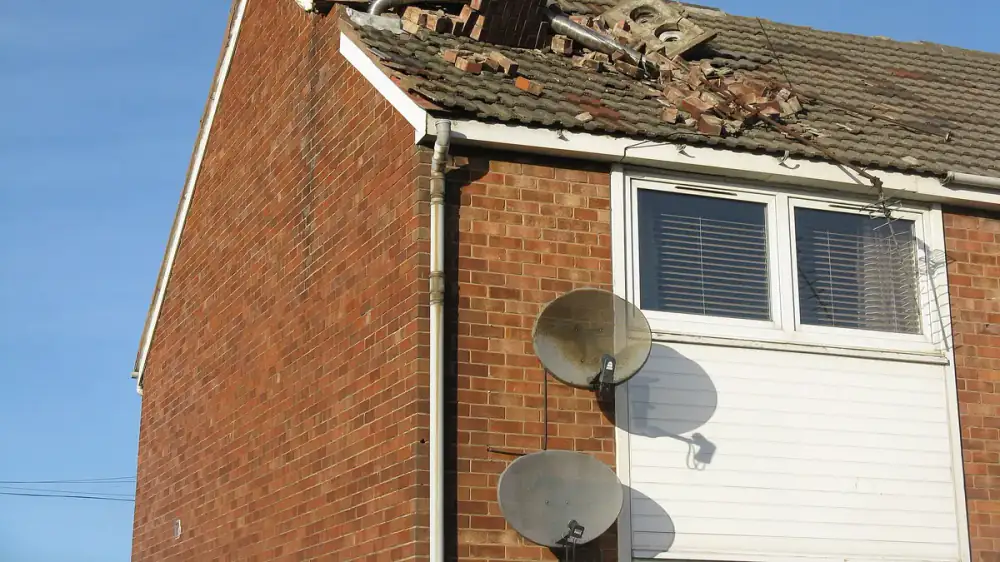
Chimney Storm Damage: What to Check
Storms dislodge caps, crack crowns, and lift flashing. Here's a ground-level, post-storm chimney check — what to look for, what to do, and when to call a pro.
Seasonal Chimney Inspection From the Ground
A short binocular check each season catches most chimney trouble early. Here's what to look for from the ground, a simple cadence, and when to book a pro sweep.
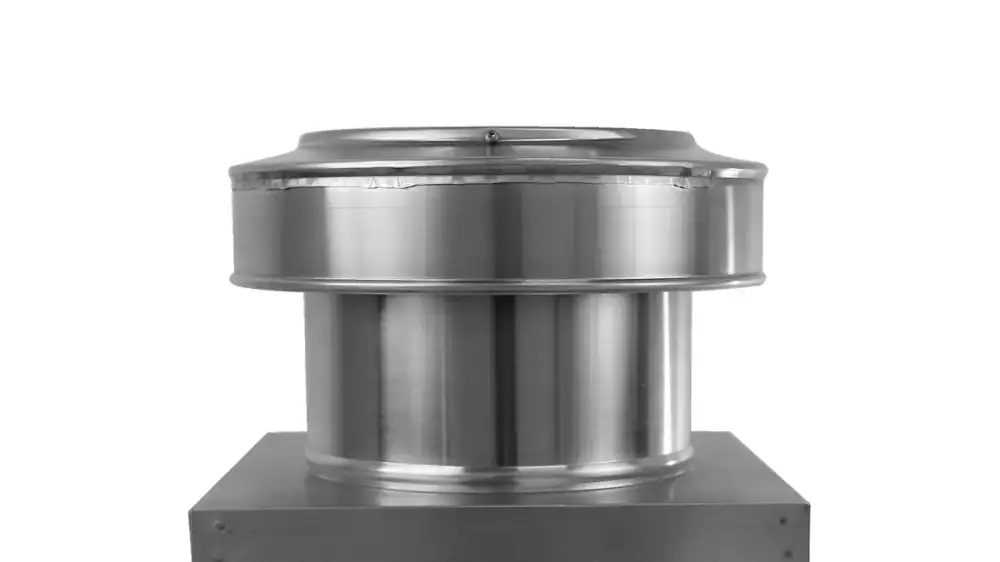
Roof Vents and Vent Covers Explained
Roof vents let the attic breathe, and their covers keep weather out while air keeps moving. Here are the common types, what covers do, and how to spot damage safely.