How Water Gets in Around a Chimney
Water near a chimney usually enters at one of four places — the missing cap, a cracked crown, failed flashing, or porous masonry. Here's how to tell which one is to blame.
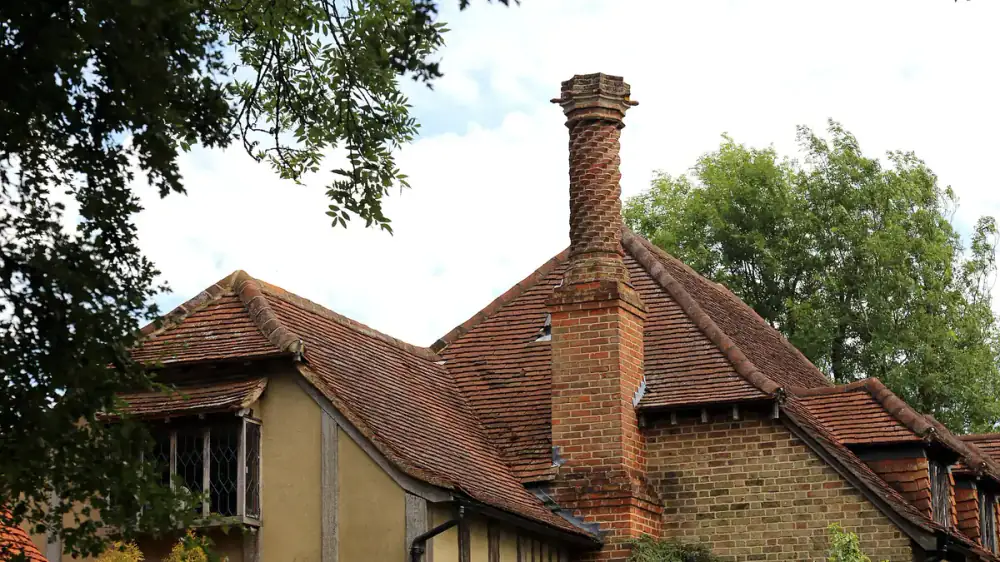
Water almost always finds its way around a chimney through one of four routes: a missing or damaged cap letting rain fall down the flue, a cracked crown, failed flashing where the chimney meets the roof, or porous masonry soaking it up through the brick. Often more than one is leaking at once. You can flag the obvious culprits from the ground with binoculars, but pinpointing the real source and repairing it is roof-level work for a professional.
A chimney is, structurally speaking, a bit of a liability. It's the tallest thing on the house, driven through the one surface whose entire job is to keep water out, and then left open to the sky at the top. Small wonder it ranks among the leakiest parts of a home. The saving grace is that water is not creative: it enters through a short, predictable list of openings. Learn that list and a baffling ceiling stain becomes a manageable set of suspects. Consider this the overview — the cap, crown, and flashing each have their own detailed guide, linked as we go.
The four ways in
A missing or damaged cap is the most direct route of all. The cap sits over the flue opening at the peak, and when it's gone, torn, or knocked crooked, rain and snow simply drop down the shaft. From there the moisture works into the interior masonry and any metal in the flue before eventually surfacing indoors. This one is also the easiest to catch from the ground, since a missing or cocked cap stands out through binoculars. For the fuller picture, see how chimney caps protect against rain and debris and signs a chimney cap needs replacement.
A cracked crown is the next suspect. The crown is the sloped slab of masonry or concrete at the top of the structure, built to throw rain off the sides. Age, shrinkage, and repeated freeze-thaw cycles open cracks in it; water slips into those cracks, migrates down into the masonry, then freezes and pries the gap wider each winter. Because the crown is a flat rooftop surface, most of its deterioration is invisible from below — which is why it's such a quietly common leak source. What is a chimney crown covers how it works and how it fails.
Failed flashing accounts for a huge share of chimney leaks. Flashing is the layered metal that seals the seam where masonry meets shingles — a moving joint between two very different materials, fully exposed to every storm. When it lifts, corrodes, or loses its sealant, water runs down alongside the chimney and into the roof. Tellingly, flashing leaks usually surface lower, where the chimney meets the ceiling or roofline, rather than up near the flue. The details are in chimney flashing explained.
Porous or spalling masonry is the slowest and most diffuse path. Brick and mortar are naturally absorbent, and over years of weather they can wick water straight through the surface — especially where the masonry is old, cracked, or spalling, that flaking that happens when trapped moisture freezes and pops the face off the brick. This route rarely acts alone; it usually keeps company with a crown or flashing that's already letting water in.
Matching the clue to the culprit
No single thing you can see from the driveway proves the case, but where the evidence appears narrows the field considerably.
| Where the clue shows up | Likely entry path |
|---|---|
| Cap missing, crooked, or torn (through binoculars) | Damaged or missing cap |
| Cracks or crumbling on the crown; stains high near the flue | Cracked crown |
| Stains where the chimney meets the ceiling or roofline; worse after rain | Failed flashing |
| Damp, flaking, or crumbling brick on the chimney face | Porous / spalling masonry |
| A rusting cap streaking the brick below it | Damaged cap, plus possible masonry staining |
Why the trail is easy to misread
Two facts turn this from simple arithmetic into something trickier. The first is that several paths tend to fail together. A cap, a crown, and a run of flashing installed at the same time also age at the same time, so water may be pouring in through two or three openings at once. Patch one and the leak shrinks but doesn't stop — which leads people to conclude, wrongly, that they fixed the wrong thing.
The second is that water travels before it drips. Once moisture gets past the flashing or crown, it can run along the roof deck, down a framing member, or through the masonry until it finds a low point to fall from. The stain on your ceiling may sit a surprising distance from the actual breach. Between these two habits — leaking in company, and wandering before it shows — chasing a chimney leak by the stain alone misleads more often than not, and a professional inspection remains the dependable way to confirm what's really happening.
Signals worth acting on
From the ground, with binoculars from the yard or an upstairs window, treat any of these as a prompt to follow up: a missing, crooked, or rusted cap; cracks or crumbling on the crown or upper masonry; lifted, bent, or rusted flashing at the roof joint; spalling brick flaking on the chimney face; or rust streaks and dark staining running down the masonry.
Indoors, watch for water stains on the ceiling or wall near the chimney or fireplace, a musty or damp smell by the hearth, and peeling paint or wallpaper on the chimney wall. For more on reading those interior clues, see water stains near the chimney.
What the ground watch can and can't do
Here's the honest division of labor. From the ground you can do a great deal: notice the leak early, flag the obvious offenders, and describe precisely where the stains appear and when they worsen. What you can't reliably do is confirm the true entry point, because that means being on the roof at the very top of the chimney, and possibly checking all four paths — squarely professional territory. So call a qualified chimney or roofing professional as soon as you see water stains, damp or crumbling masonry, or that musty smell. You caught it; let them climb.
To fold these checks into a dependable rhythm, see the seasonal chimney inspection guide, and after rough weather run through chimney storm damage: what to check.
Common questions
What are the main ways water gets into a chimney?
There are four common entry paths: a missing or damaged cap that lets rain fall straight down the flue, a cracked crown that lets water into the top of the masonry, failed flashing at the roof joint that lets water run down alongside the chimney, and porous or spalling masonry that soaks up water through the brick and mortar itself. A leak can come from any one — or more than one at once.
How can I tell which part is leaking?
The location of the clue helps. Stains high near the flue point toward the cap or crown; stains where the chimney meets the ceiling or roof point toward flashing; damp, crumbling brick suggests porous masonry. From the ground with binoculars you can flag missing caps, cracks, or lifted flashing, but confirming the source usually takes a professional inspection.
Can more than one thing leak at the same time?
Yes, and it's common. A missing cap, an aging crown, and tired flashing often reach the end of their lives around the same time, so water may be entering through several paths at once. That's one reason chasing a chimney leak yourself is tricky — fixing one path may reduce the leak without stopping it entirely.
Does a chimney cap stop all water from getting in?
No. A cap keeps rain from falling straight down the flue, but it does nothing for water entering through a cracked crown, failed flashing, or porous masonry. A cap is one layer of a multi-part defense, and it doesn't eliminate the need to keep the crown, flashing, and masonry in good shape.
Why does water damage near a chimney often appear far from the leak?
Water that gets past the flashing or crown can travel along the roof deck, framing, or masonry before it finds a place to drip, so the stain you see may be some distance from where the water actually entered. This is why tracing a chimney leak reliably usually calls for a professional rather than guesswork from the stain alone.
At what point should a chimney leak go to a professional?
As soon as you notice water stains, damp masonry, or a musty smell near the chimney. Locating the true entry point and repairing it means working at the top of the chimney and on the roof, which is professional work. Your role is to spot the signs early from the ground and describe where they appear.
Related guides
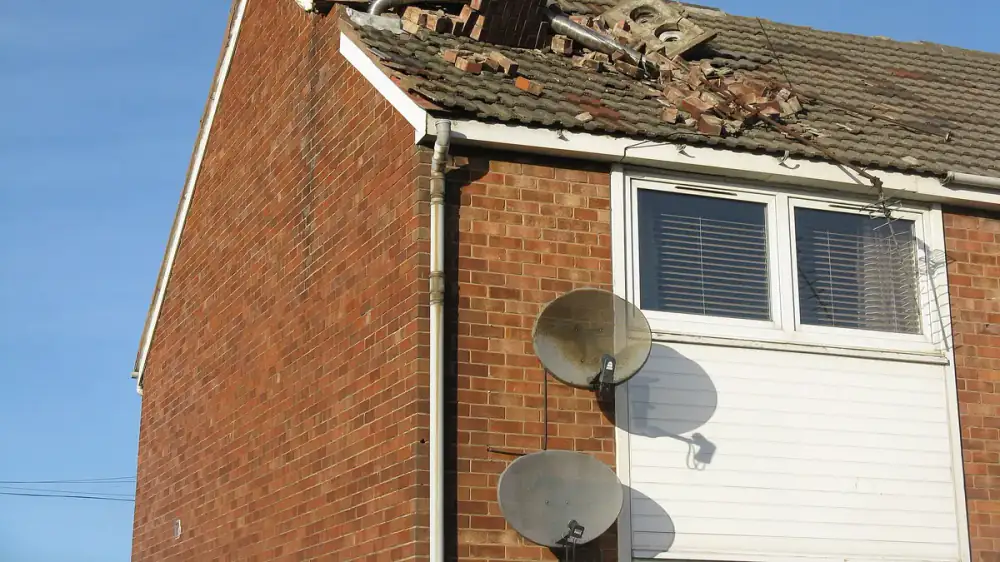
Chimney Storm Damage: What to Check
Storms dislodge caps, crack crowns, and lift flashing. Here's a ground-level, post-storm chimney check — what to look for, what to do, and when to call a pro.
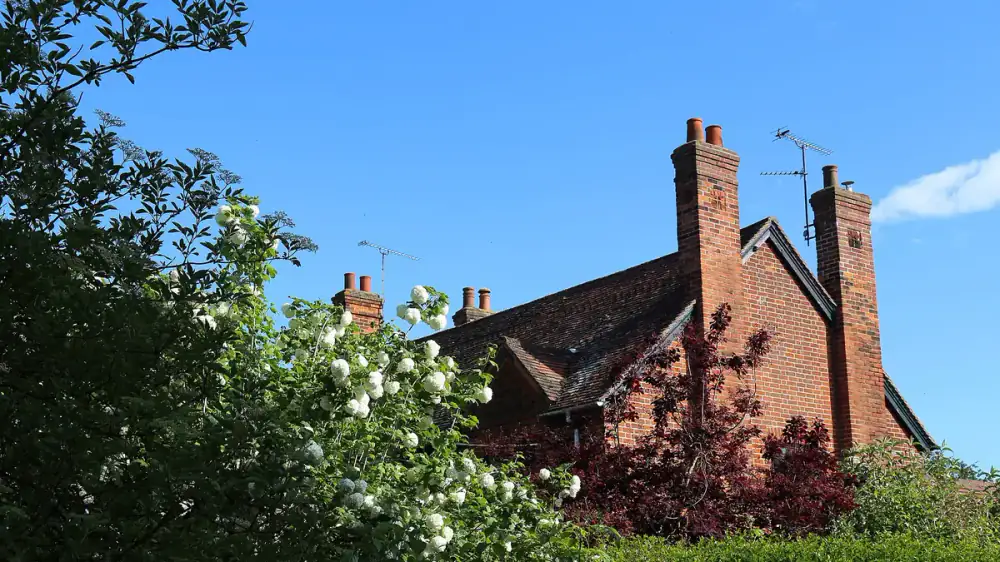
Seasonal Chimney Inspection From the Ground
A short binocular check each season catches most chimney trouble early. Here's what to look for from the ground, a simple cadence, and when to book a pro sweep.
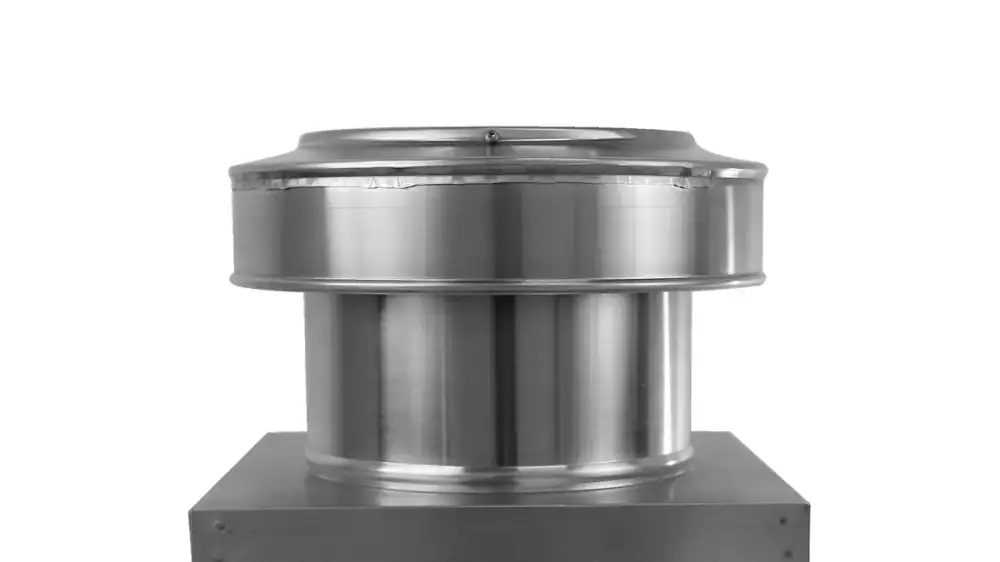
Roof Vents and Vent Covers Explained
Roof vents let the attic breathe, and their covers keep weather out while air keeps moving. Here are the common types, what covers do, and how to spot damage safely.